Issue · Healthcare

Healthcare

Every healthcare bill, vote, and legislator stance in North Carolina, automatically classified by Maddy, our AI policy reader.

Total bills
361
2025-2026 Session
Top supporter
Ray Pickett
89% support rate
Top opponent
Amber Baker
0% support rate
Ranked legislators
10
5 support · 5 oppose
Key legislators

Who's moving healthcare in North Carolina

Legislators moving healthcare in North Carolina
Legislator Party Stance Support rate Votes
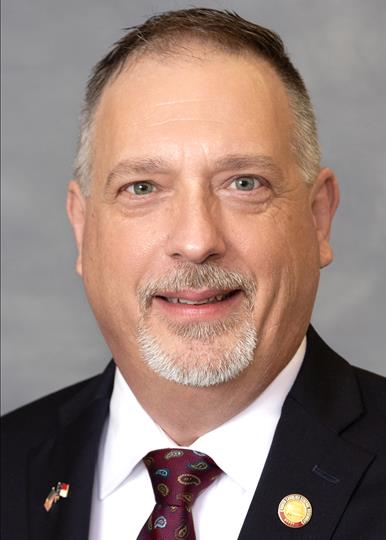
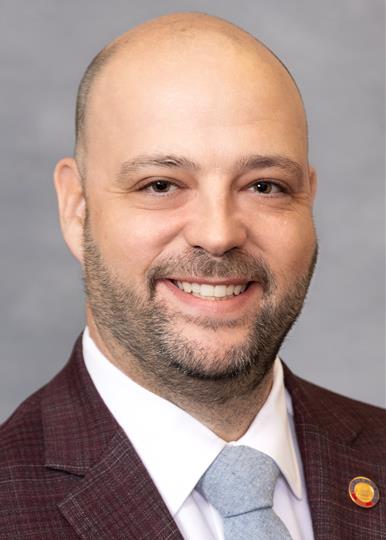
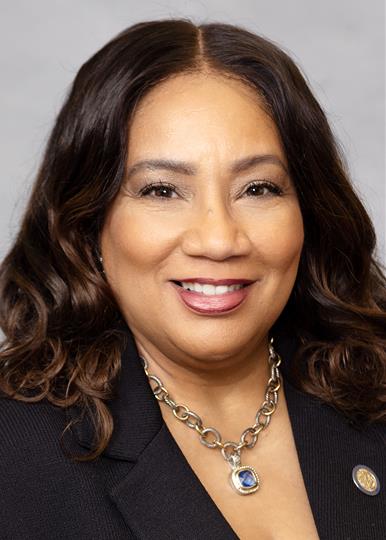
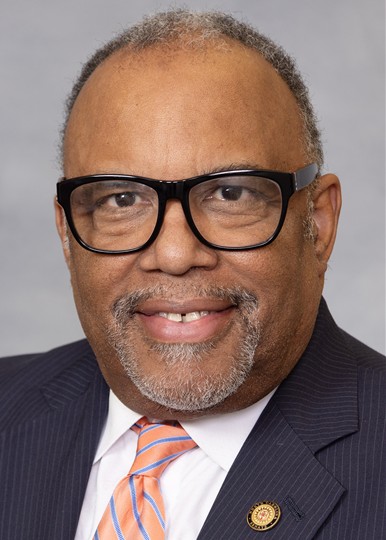
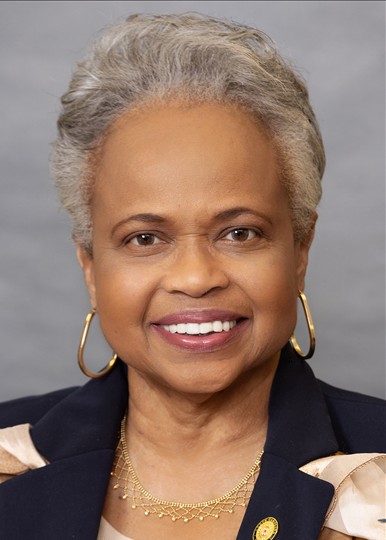
Ray Pickett
Ray Pickett House · District 93
R
Strong +
89% 22
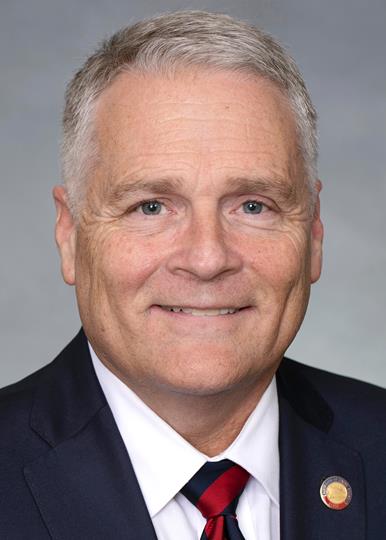
Kelly Hastings
Kelly Hastings House · District 110
R
Strong +
89% 23
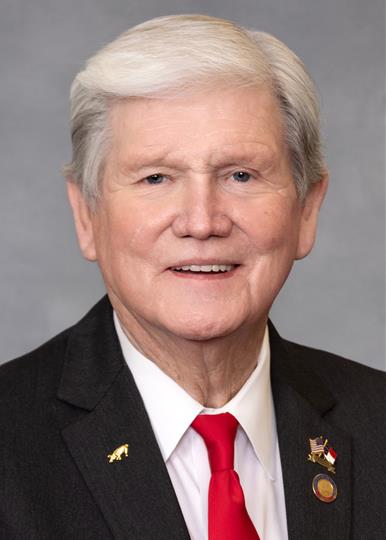
Jimmy Dixon
Jimmy Dixon House · District 4
R
Strong +
89% 24
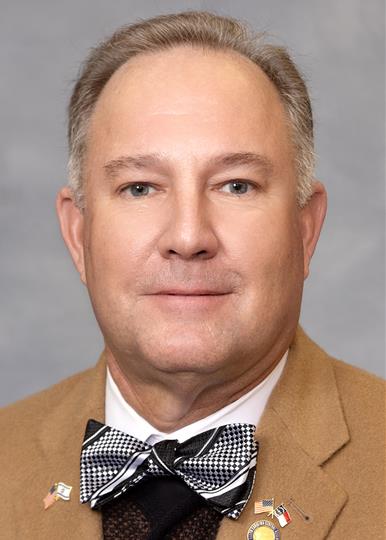
Jeff McNeely
Jeff McNeely House · District 84
R
Strong +
89% 25
Bryan Cohn
Bryan Cohn House · District 32
D
Strong +
88% 22
Amber Baker
Amber Baker House · District 72
D
Strong −
0% 19
Paul Lowe
Paul Lowe Senate · District 32
D
Strong −
20% 15
Gladys Robinson
Gladys Robinson Senate · District 28
D
Strong −
20% 16
Mary Belk
Mary Belk House · District 88
D
Strong −
20% 26
Maria Cervania
Maria Cervania House · District 41
D
Strong −
20% 26
Showing 241–250 of 361 bills

All healthcare bills

in committee · North Carolina · Senate Mar 19, 2025

SB 330: LME/MCO Transparency and Accountability.

SB 330 requires North Carolina's Local Management Entities/Managed Care Organizations (LME/MCOs) serving Medicaid beneficiaries for mental, behavioral, and substance use services to submit quarterly reports starting October 2025. These reports must include data on emergency department waits over 24 hours, access to providers within 30 days, unused funds due to provider shortages, and network provider counts. The bill also sets new service standards: LME/MCOs must ensure fewer than two people per county are "boarded" in hospital ERs (staying over 24 hours after medical clearance) and that 85% of approved services begin within 45 days. Failure to meet these benchmarks for two consecutive quarters triggers corrective action by the state. This directly affects Medicaid beneficiaries accessing behavioral health services and the LME/MCOs managing those services.
in committee · North Carolina · House Mar 20, 2025

HB 452: Revise Law/Obstruction of Health Facility.

HB 452 makes it a crime to obstruct access to or threaten people at healthcare facilities in North Carolina. It prohibits blocking entrances, delaying care, or threatening patients, staff, or those helping others access services. The bill also restricts protests within 8 feet of people near facility entrances (unless consented to) and increases penalties: first offenses are misdemeanors, repeat offenses within three years become more serious misdemeanors, and third offenses escalate to felonies. This law directly affects individuals engaging in protests or obstruction near healthcare facilities, healthcare providers, and patients seeking care. It takes effect December 1, 2025.
in committee · North Carolina · House Mar 20, 2025

HB 453: Increase Medicaid Personal Care Services and Private Duty Nursing Rates.

HB 453 increases Medicaid reimbursement rates for two specific services in North Carolina. It raises the rate for personal care services (e.g., help with daily tasks) to $7.50 per 15-minute increment for beneficiaries in programs like State Plan Personal Care Services and Community Alternatives programs. It also increases private duty nursing rates to $16.25 per 15 minutes for both children under 21 and adults, using state funds to match federal support. The changes, effective July 1, 2025, will directly affect Medicaid beneficiaries receiving these services through approved programs.
Sub-Topics Medicaid
in committee · North Carolina · House Mar 20, 2025

HB 456: No Surprises for Ambulance Services Act.

HB 456, the "No Surprises for Ambulance Services Act," prevents unexpected high costs for ambulance services by requiring health insurance companies to cover both emergency and non-emergency ground ambulance transport without surprise bills. Specifically, it caps out-of-network cost-sharing (like copays or deductibles) for ambulance services at 110% of what would apply for in-network providers, ensuring patients aren’t charged more for using an ambulance outside their insurance network. This directly affects insured individuals who use ambulance services, especially in emergencies or when they cannot choose a network provider. The law also mandates insurers to clearly disclose coverage details for emergency services, including cost-sharing and how to access care.
Sub-Topics Insurance Tags Public Safety
in committee · North Carolina · House Mar 20, 2025

HB 464: Healthy Students - A Nurse in Every School.

HB 464 requires every public school in North Carolina - including traditional, charter, regional, and laboratory schools - to have at least one full-time, permanent school nurse starting in the 2025-2026 school year. The bill appropriates $95 million from the state General Fund for the 2025-2026 school year to fund these additional nursing positions, with funds designated to supplement - not replace - existing school nurse funding. It amends multiple statutes to mandate this staffing requirement across all public school units. The law becomes effective July 1, 2025, with implementation beginning for the 2025-2026 school year.
in committee · North Carolina · Senate Mar 20, 2025

SB 352: Community Health Center Grants for LARCs.

SB 352 allocates $2.5 million annually from 2025-2027 to fund grants for nonprofit community health centers in North Carolina. These grants will allow centers to purchase and provide long-acting reversible contraceptives (LARCs), such as IUDs or implants, to underserved, uninsured, or medically indigent patients. LARCs must meet specific criteria: they provide extended birth control without daily user action, are temporary, FDA-approved, and require a prescription. The bill becomes effective July 1, 2025, focusing on expanding access to affordable, long-term contraceptive options.
Sub-Topics Primary Care
in committee · North Carolina · Senate Mar 24, 2025

SB 373: Vaccination Schedule Variance/Minors.

SB 373 (Vaccination Schedule Variance/Minors) prohibits healthcare providers (including doctors, physician assistants, and nurses) from refusing to treat minors or their parents/guardians solely because they choose to delay or vary from the CDC's recommended vaccination schedule. The bill ensures minors cannot be discriminated against for this reason, while clarifying that mandatory vaccination requirements under state law (G.S. 130A-152) still apply. Violations would be considered unprofessional conduct by licensing boards. The law requires the Medical Board and Nursing Board to adopt implementing rules, with the main provision effective October 1, 2025.
in committee · North Carolina · House Mar 24, 2025

HB 474: Right to Use Contraception.

HB 474, titled "Right to Use Contraception," declares that North Carolina recognizes the right to use contraception to prevent pregnancy as a fundamental liberty. It directly affects all residents who use contraception by stating the state has "no legitimate governmental interest in limiting the freedom to use contraception." The bill amends state law to add a new Article 44, explicitly prohibiting state restrictions on contraceptive access for pregnancy prevention. This is a declarative policy change, not a funding or program measure, and would become effective upon enactment.
Sub-Topics Women's Health
in committee · North Carolina · Senate Mar 24, 2025

SB 379: Senior Care Assurance Act.

SB 379, the Senior Care Assurance Act, expands healthcare access for North Carolina seniors (65+) by enhancing Medicaid coverage for preventive screenings and chronic care services. It creates two new programs: a $2.5 million annual grant program to fund free health screenings and geriatric care for low-income seniors (at or below the federal poverty level), prioritizing rural and underserved areas, and a $2 million annual program to help seniors purchase telehealth equipment and internet access, with priority for rural seniors. The bill also updates telehealth infrastructure funding to support rural healthcare providers in establishing telehealth services. These provisions directly benefit seniors facing financial or geographic barriers to care, focusing on preventive health and independent aging.
in committee · North Carolina · House Mar 24, 2025

HB 473: Right to In Vitro Fertilization.

HB 473 protects patients' and healthcare providers' rights to access and provide assisted reproductive technology (ART), including in vitro fertilization (IVF), by prohibiting state interference. It defines ART broadly and explicitly states that fertilized eggs or embryos outside the uterus are not considered "human beings" under North Carolina law. The bill also appropriates $500,000 annually (starting July 2025) from the state General Fund to increase Medicaid maternal support services (the Baby Love Program), matching $913,000 in federal funds for the 2025-2027 biennium. This legislation directly affects patients seeking ART, healthcare providers offering these services, and Medicaid beneficiaries receiving maternal support.
Showing 241 to 250 of 361 bills
Previous 1 24 25 26 37 Next