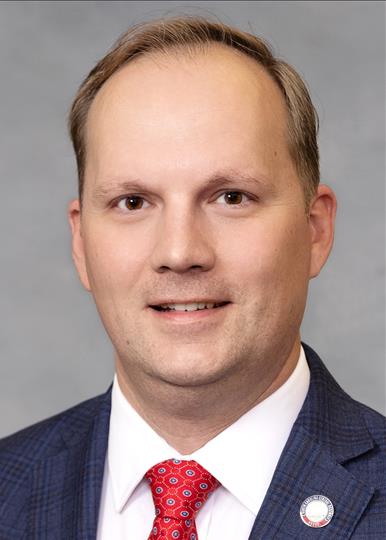
HB 128 appropriates $2 million annually for fiscal years 2025-2026 and 2026-2027 to create a statewide prostate cancer screening program administered by North Carolina's Department of Health and Human Services. The program provides free or low-cost screenings and follow-up care to uninsured or underinsured men aged 50-70 (40-70 with family history of prostate cancer) who meet income requirements (below 250% of federal poverty level). Eligibility requires no Medicare Part B or Medicaid coverage and specific age/family history criteria as defined in the bill. The program begins July 1, 2025.
HB 242 adds freestanding psychiatric hospitals (licensed, Medicare-certified facilities primarily providing psychiatric care that are not state-owned) to North Carolina’s Medicaid Healthcare Access and Stabilization Program (HASP). This expands the existing program - which currently reimburses acute care hospitals - to include these psychiatric hospitals, providing them with increased Medicaid reimbursements. The funding will come from a new quarterly assessment levied on the psychiatric hospitals themselves, calculated as a percentage of their hospital costs. The bill does not change patient eligibility but alters how these specific hospitals receive Medicaid payments through the HASP program.
SB 277 appropriates $750,000 annually from the state general fund to the North Carolina Area Health Education Centers (NC AHEC) program for the 2025-2026 fiscal year. The funds aim to improve recruitment, training, and retention of medical students and healthcare professionals in rural North Carolina. Key mechanisms include requiring NC AHEC to regularly convene stakeholders to share best practices and create a public database of this shared information. The bill takes effect July 1, 2025, directly supporting rural healthcare workforce development.
HB 343 appropriates $380,000 for 2025-26 and $397,000 for 2026-27 to create four full-time ombudsman positions within North Carolina’s Long-Term Care Ombudsman Program. This directly affects residents of nursing homes, adult care homes, and family care homes by enhancing advocacy for their rights and care quality. The bill’s key provision funds staff to move the state’s program toward national standards for resolving facility issues without formal complaints. It becomes effective July 1, 2025, with no advocacy language - only a concrete funding mechanism for expanded protections.
SB 282 aims to expand access to clubhouse model psychosocial rehabilitation programs for adults with severe mental illness in North Carolina who are Medicaid beneficiaries. It requires the Department of Health and Human Services to develop a statewide reimbursement plan by December 2025, including incentives for clubhouse accreditation, consistent payment rates across managed care organizations, and staff training. The bill also appropriates $2.5 million annually (2025-2027) from the General Fund to the North Carolina Clubhouse Coalition to support member clubhouses for program expansion, accreditation, or staff training. This directly affects Medicaid-funded clubhouses, managed care organizations, and the coalition itself. The plan must be reported to the legislature by December 2025, with implementation effective July 2025.
SB 283 appropriates $1.678 million annually in recurring funds (plus supplemental nonrecurring funds) to expand sickle cell disease services for North Carolina's estimated 7,000+ patients. It directly funds six medical centers (including Duke, UNC Chapel Hill, and Atrium Health) for comprehensive care, creates transition coordinator positions to support youth moving from pediatric to adult care, and provides grants to community organizations in underserved areas. The bill also allocates funds to develop a statewide emergency department toolkit for better acute care and supports the state's sickle cell program with new staff positions. All funding is allocated for the 2025-2027 biennium and becomes effective July 1, 2025.
SB 330 requires North Carolina's Local Management Entities/Managed Care Organizations (LME/MCOs) serving Medicaid beneficiaries for mental, behavioral, and substance use services to submit quarterly reports starting October 2025. These reports must include data on emergency department waits over 24 hours, access to providers within 30 days, unused funds due to provider shortages, and network provider counts. The bill also sets new service standards: LME/MCOs must ensure fewer than two people per county are "boarded" in hospital ERs (staying over 24 hours after medical clearance) and that 85% of approved services begin within 45 days. Failure to meet these benchmarks for two consecutive quarters triggers corrective action by the state. This directly affects Medicaid beneficiaries accessing behavioral health services and the LME/MCOs managing those services.
HB 452 makes it a crime to obstruct access to or threaten people at healthcare facilities in North Carolina. It prohibits blocking entrances, delaying care, or threatening patients, staff, or those helping others access services. The bill also restricts protests within 8 feet of people near facility entrances (unless consented to) and increases penalties: first offenses are misdemeanors, repeat offenses within three years become more serious misdemeanors, and third offenses escalate to felonies. This law directly affects individuals engaging in protests or obstruction near healthcare facilities, healthcare providers, and patients seeking care. It takes effect December 1, 2025.
HB 453 increases Medicaid reimbursement rates for two specific services in North Carolina. It raises the rate for personal care services (e.g., help with daily tasks) to $7.50 per 15-minute increment for beneficiaries in programs like State Plan Personal Care Services and Community Alternatives programs. It also increases private duty nursing rates to $16.25 per 15 minutes for both children under 21 and adults, using state funds to match federal support. The changes, effective July 1, 2025, will directly affect Medicaid beneficiaries receiving these services through approved programs.
HB 456, the "No Surprises for Ambulance Services Act," prevents unexpected high costs for ambulance services by requiring health insurance companies to cover both emergency and non-emergency ground ambulance transport without surprise bills. Specifically, it caps out-of-network cost-sharing (like copays or deductibles) for ambulance services at 110% of what would apply for in-network providers, ensuring patients aren’t charged more for using an ambulance outside their insurance network. This directly affects insured individuals who use ambulance services, especially in emergencies or when they cannot choose a network provider. The law also mandates insurers to clearly disclose coverage details for emergency services, including cost-sharing and how to access care.