Issue · Healthcare

Healthcare

Every healthcare bill, vote, and legislator stance in North Carolina, automatically classified by Maddy, our AI policy reader.

Total bills
361
2025-2026 Session
Top supporter
Ray Pickett
89% support rate
Top opponent
Amber Baker
0% support rate
Ranked legislators
10
5 support · 5 oppose
Key legislators

Who's moving healthcare in North Carolina

Legislators moving healthcare in North Carolina
Legislator Party Stance Support rate Votes
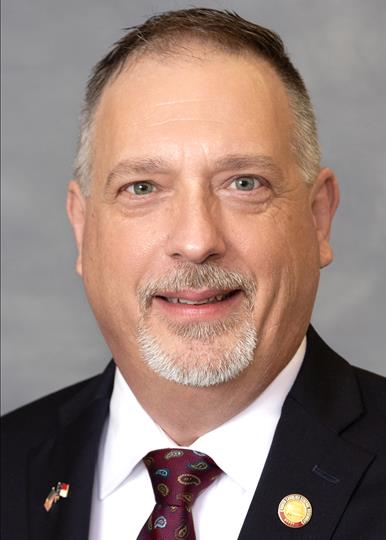
Ray Pickett
Ray Pickett House · District 93
R
Strong +
89% 22
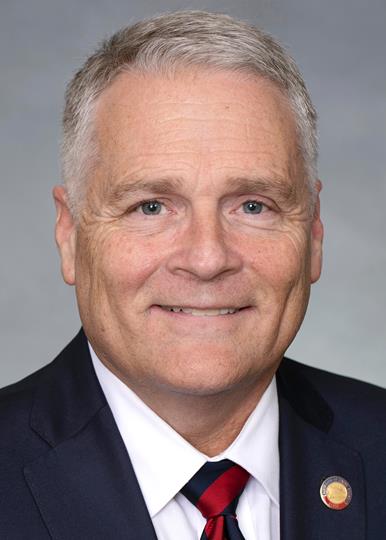
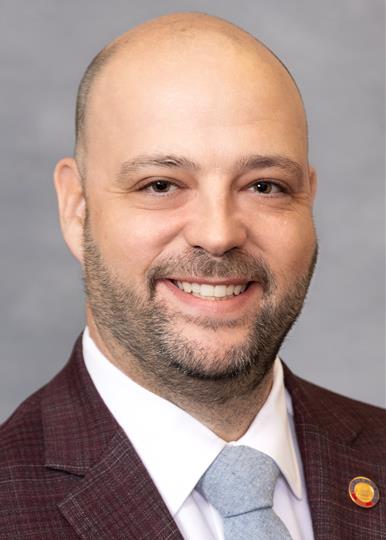
Kelly Hastings
Kelly Hastings House · District 110
R
Strong +
89% 23
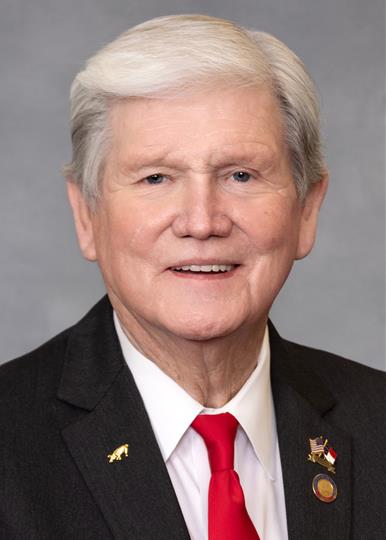
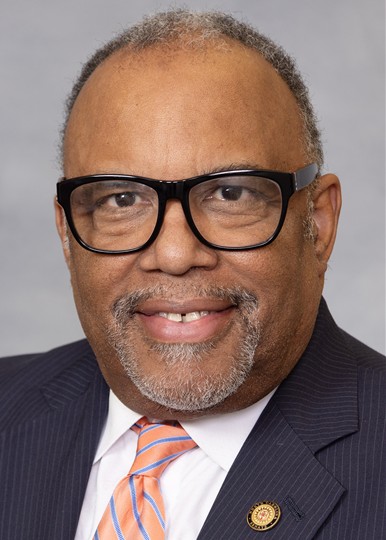
Jimmy Dixon
Jimmy Dixon House · District 4
R
Strong +
89% 24
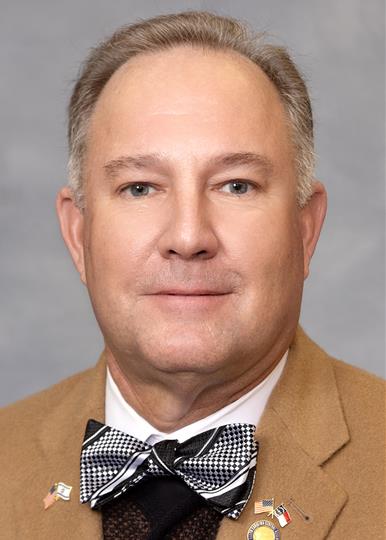
Jeff McNeely
Jeff McNeely House · District 84
R
Strong +
89% 25
Bryan Cohn
Bryan Cohn House · District 32
D
Strong +
88% 22
Amber Baker
Amber Baker House · District 72
D
Strong −
0% 19
Paul Lowe
Paul Lowe Senate · District 32
D
Strong −
20% 15
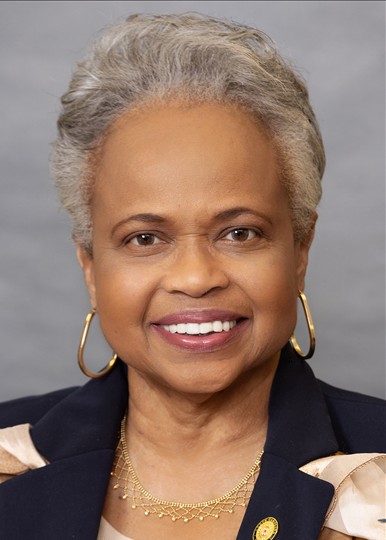
Gladys Robinson
Gladys Robinson Senate · District 28
D
Strong −
20% 16
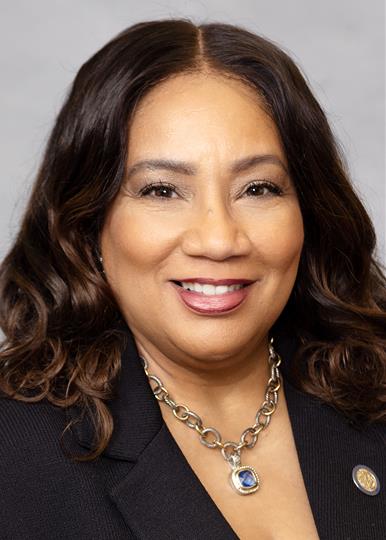
Mary Belk
Mary Belk House · District 88
D
Strong −
20% 26
Maria Cervania
Maria Cervania House · District 41
D
Strong −
20% 26
Showing 201–210 of 361 bills

All healthcare bills

in committee · North Carolina · Senate Feb 26, 2025

SB 160: Respiratory Care Modernization Act.

SB 160, the Respiratory Care Modernization Act, updates North Carolina's laws governing respiratory care professionals to reflect current practices, especially after increased pandemic demands. It creates a new "Advanced respiratory care practitioner" (ARCP) role for licensed professionals with specialized training, allowing them to perform advanced procedures under physician supervision - while explicitly excluding medical diagnosis, prescribing, or invasive surgeries. The bill clarifies the scope of practice for both standard respiratory care practitioners and ARCPs, defining permitted tasks like mechanical ventilation support and diagnostic testing, and establishing requirements for board-approved training. This directly affects respiratory therapists seeking advanced roles, their supervising physicians, and healthcare facilities providing respiratory care services.
passed · North Carolina · House May 7, 2025

HB 519: Parents' Medical Bill of Rights.

This bill, HB 519, revises laws regarding when minors can consent to medical treatment and parental access to their children's medical records. It restricts the medical services a minor can consent to on their own to primarily pregnancy-related care, removing their ability to consent for venereal diseases, substance abuse, or emotional disturbance treatment. The bill also requires written parental consent for minors to receive vaccines authorized for emergency use but not yet fully FDA approved. Additionally, it grants parents the right to access all their minor child's medical records, including those for care the minor could consent to, with exceptions for suspected abuse or neglect, court orders, or active law enforcement investigations.
Sub-Topics Substance Abuse
in committee · North Carolina · House Apr 10, 2025

HB 842: Vision, Hearing, Dental Screenings Opt-Out.

HB 842 clarifies that North Carolina public schools may conduct vision, hearing, dental, and developmental screenings for students without requiring parental consent, but must notify parents at the start of each school year about all screenings offered and provide results for their child. This bill directly affects parents of students in public schools across North Carolina, particularly for kindergarten through third grade as noted in the bill text. Key provisions require schools to provide written notice of screenings and results to parents (instead of seeking consent for each screening), while maintaining existing requirements for other health services that do require consent. The law updates school health screening procedures under North Carolina General Statutes § 115C-76.46.
Sub-Topics Public Health
in committee · North Carolina · Senate Mar 19, 2025

SB 326: Economic Security Act.

SB 326, the Economic Security Act, raises North Carolina's minimum wage to $22 per hour starting January 1, 2026, with annual inflation adjustments based on the Consumer Price Index. It requires employers to provide paid sick leave, paid family medical leave, and workplace safety protections, while mandating equal pay for equal work regardless of gender. The bill also increases the tipped minimum wage, ends wage theft, prohibits employers from asking about criminal history on job applications ("ban the box"), and expands unemployment benefits for workers. These provisions directly affect all private and public employers and employees across North Carolina, including gig economy workers and essential workers.
in committee · North Carolina · Senate Mar 26, 2025

SB 617: Accessing Certified Professional Midwives Act.

SB 617, the Accessing Certified Professional Midwives Act, establishes a licensing requirement for Certified Professional Midwives (CPMs) in North Carolina who must hold national certification from the North American Registry of Midwives (NARM). The bill creates the North Carolina Council of Certified Professional Midwives, composed of seven members (four CPMs, one physician, and two community consumers), to administer licensing, set practice rules, and review standards. It directly affects CPMs seeking to legally practice midwifery, requiring them to obtain a state license while exempting existing nurse midwives, physicians, and emergency childbirth assistance. The law defines key terms like antepartal, intrapartal, and postpartal care to clarify scope of practice under the new licensing framework.
signed · North Carolina · Senate Jun 26, 2025

SB 344: Pooled Trust Transfers/Public Benefits Elig.

SB 344 ensures that North Carolina seniors aged 65+ who transfer funds into qualifying pooled special needs trusts (meeting federal standards) won't lose Medicaid or State-County Special Assistance eligibility. The bill requires the state health department to update eligibility rules so these transfers are treated as "fair market value" transactions - meaning the funds aren't counted against benefit eligibility if the trust uses the money to provide goods/services equal to the transfer value within the senior's life expectancy. It directly affects seniors using these trusts to manage assets while maintaining public benefits. The law amends state rules to align with federal guidelines (42 U.S.C. § 1396p(d)(4)(C)) and takes effect upon enactment.
Sub-Topics Medicaid
in committee · North Carolina · Senate Mar 26, 2025

SB 571: MOMnibus 3.0.

SB 571 (MOMnibus 3.0) establishes a North Carolina grant program to address racial disparities in maternal health outcomes, specifically targeting Black women. The bill requires the Department of Health and Human Services to award competitive grants (between $10,000 and $50,000) to community-based organizations serving Black women in areas with high maternal health disparities. Grants prioritize organizations led by Black women that provide evidence-based services, including culturally respectful care, mental health support, assistance with social determinants like housing and transportation, and doula support. The program mandates technical assistance for grantees and annual reports to the legislature on funding and outcomes. This bill directly affects Black women in North Carolina and community health organizations providing maternal care services.
Sub-Topics Women's Health
in committee · North Carolina · Senate Mar 26, 2025

SB 483: The Children First Act.

SB 483, "The Children First Act," expands affordable child care access for North Carolina families by increasing financial assistance eligibility to 85% of the state median income and raising subsidy rates to match 2023 market costs. It allocates $50 million annually for subsidies and $15 million for grants to establish new child care facilities in rural or underserved areas, targeting "child care deserts." The bill also creates an employer child care credit and includes workforce licensing reforms to address staffing shortages. These provisions directly affect low-to-moderate-income families, child care providers, and employers seeking to support working parents.
Tags Children
died · North Carolina · Senate Mar 6, 2025

SB 181: Increase Funding for Mobile Crisis Units.

SB 181 allocates $2 million annually from the General Fund for the 2025-2027 fiscal biennium to the North Carolina Department of Health and Human Services. This funding will support adding five new mobile crisis teams focused on serving communities with the highest need for mental health, developmental disability, and substance use crisis services. The bill directs these teams to operate within the state’s existing mental health framework, with implementation beginning July 1, 2025. It directly affects residents in underserved areas by expanding access to immediate crisis response through these specialized mobile units.
in committee · North Carolina · House Apr 1, 2025

HB 571: Posttraumatic Stress Disorder Treatment for Police Officers/Funds.

HB 571 appropriates $500,000 from the state General Fund to the Department of Public Safety for a grant program treating police officers diagnosed with PTSD. It directly affects North Carolina police officers who have received a clinical PTSD diagnosis. The key provision establishes a state-funded grant program to cover treatment costs, with funds allocated for the 2025-2026 fiscal year. The program becomes effective July 1, 2025, and focuses solely on providing financial support for treatment, not on expanding eligibility or altering diagnosis standards.
Sub-Topics State Budget Policing
Showing 201 to 210 of 361 bills
Previous 1 20 21 22 37 Next