Issue · Healthcare

Healthcare

Every healthcare bill, vote, and legislator stance in North Carolina, automatically classified by Maddy, our AI policy reader.

Total bills
342
2025-2026 Session
Top supporter
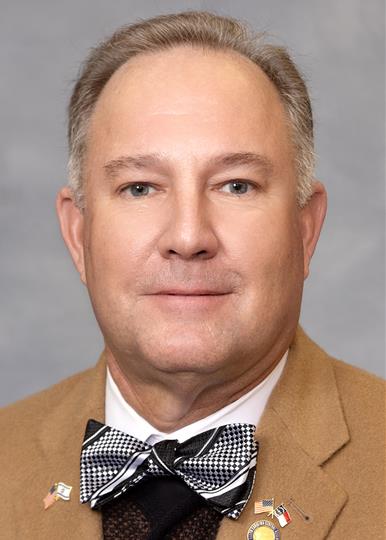
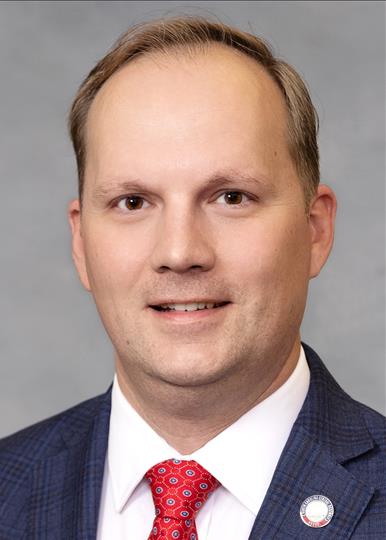
Jeff McNeely
89% support rate
Top opponent
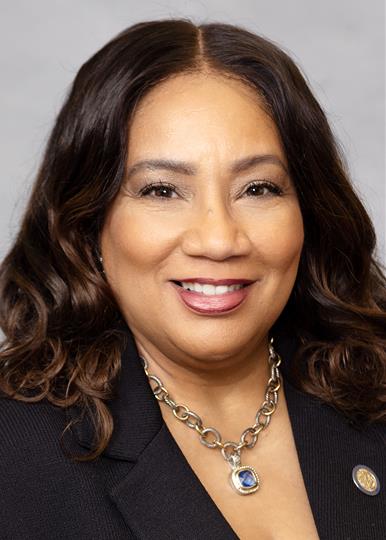
Amber Baker
0% support rate
Ranked legislators
10
5 support · 5 oppose
Key legislators

Who's moving healthcare in North Carolina

Legislators moving healthcare in North Carolina
Legislator Party Stance Support rate Decisive votes
Jeff McNeely
Jeff McNeely House · District 84
R
Strong +
89% 9
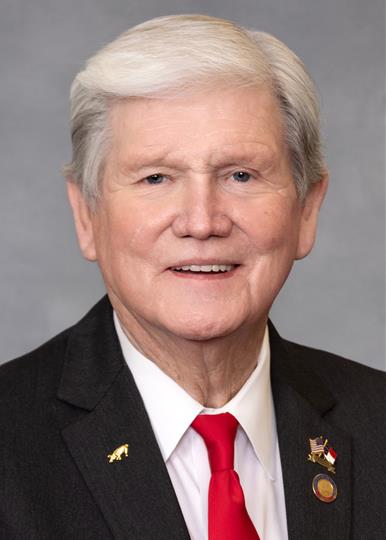
Jimmy Dixon
Jimmy Dixon House · District 4
R
Strong +
89% 9
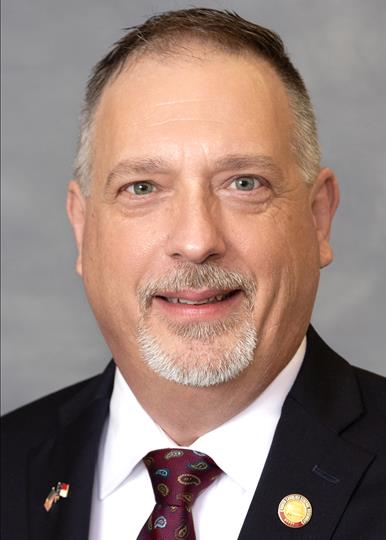
Kelly Hastings
Kelly Hastings House · District 110
R
Strong +
89% 9
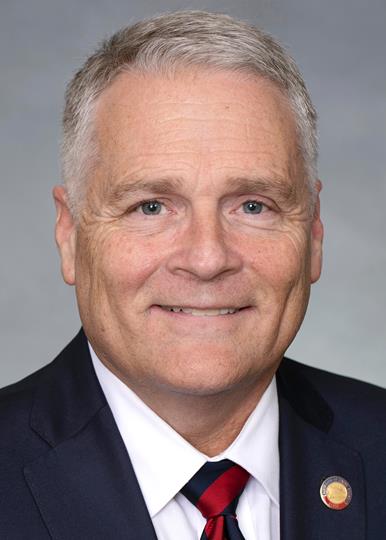
Ray Pickett
Ray Pickett House · District 93
R
Strong +
89% 9
Allen Chesser
Allen Chesser House · District 25
R
Strong +
88% 8
Amber Baker
Amber Baker House · District 72
D
Strong −
0% 6
Julia Greenfield
Julia Greenfield House · District 100
D
Strong −
20% 10
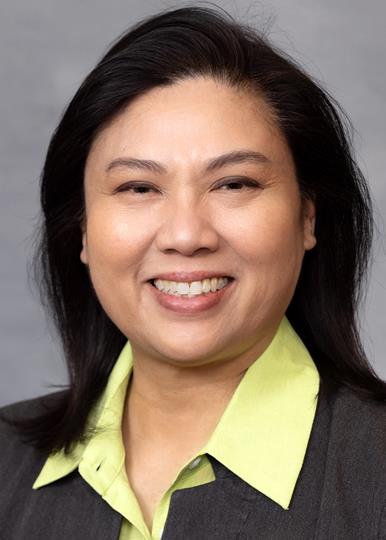
Maria Cervania
Maria Cervania House · District 41
D
Strong −
20% 10
Mary Belk
Mary Belk House · District 88
D
Strong −
20% 10
Gladys Robinson
Gladys Robinson Senate · District 28
D
Strong −
20% 5
Showing 181–190 of 342 bills

All healthcare bills

in committee · North Carolina · Senate Mar 26, 2025

SB 668: NC Genetic Counselors Workforce Act.

SB 668 establishes a licensing system for genetic counselors in North Carolina by creating a five-member Genetic Counselors Licensure Board. The bill requires genetic counselors to obtain a license from this board to practice, defines key terms like "genetic counseling" and "genetic counselor," and sets standards for licensure, supervision of interns, and continuing education. It directly affects genetic counselors and genetic counseling interns practicing in North Carolina by mandating licensure under the new framework. The board will handle applications, renewals, disciplinary actions, and develop rules to regulate the profession. The bill does not address healthcare access or costs but focuses on professional standards and oversight.
Sub-Topics Medical Licensing
in committee · North Carolina · House Apr 14, 2025

HB 989: Build Safer Communities and Schools Act.

HB 989 creates a statewide grant program to improve school safety in North Carolina public schools. It provides funding for three specific purposes: (1) crisis services for students (like therapy and family support), (2) evidence-based training for staff on trauma response and suicide prevention, and (3) safety equipment purchases (such as bullet-resistant glass, alarms, and security systems). Grants must supplement, not replace, existing school safety funding, and charter schools can now receive equipment grants. The program limits annual spending to $350,000 per grant category and prioritizes equipment like exterior door locks and active shooter alarms.
Sub-Topics School Safety
in committee · North Carolina · House Apr 8, 2025

HB 802: Nicotine and Vaping Prevention in Schools.

HB 802 requires all North Carolina public schools to adopt written policies banning the use of nicotine, hemp, and vaping products (including e-cigarettes and delta-8) in school buildings, on campuses, and at school events. Students under 21 found in possession of these products will have them confiscated, with parents notified within 24 hours; first offenses require schools to provide evidence-based cessation resources and education, while repeat offenses trigger disciplinary action. Schools must also distribute age-appropriate, Department of Health and Human Services-approved prevention materials to students at the start of each school year. The bill mandates schools to enforce these policies through clear signage, staff training, and collaboration with health officials.
signed · North Carolina · House Jun 13, 2025

HB 231: Social Work Interstate Licensure Compact.

HB 231 establishes North Carolina's participation in the Social Work Interstate Licensure Compact, allowing licensed social workers from participating states to practice across state lines without obtaining separate licenses in each state. The bill directly affects licensed social workers seeking to provide services in multiple states, particularly those serving military families or addressing workforce shortages. Key provisions include mutual recognition of licenses among member states, accountability for social workers practicing where clients are located, and streamlined processes for disciplinary information sharing. This reduces duplicate licensing requirements while maintaining state authority to protect public health and safety through existing licensure systems.
passed both · North Carolina · House Jun 23, 2026

HB 565: Limit Use of AI Medicaid/Commercial Insurance.

HB 565 ("Check Yes, Save Lives") allows North Carolina taxpayers to register as organ donors by checking a box on their state income tax return, starting with tax returns for 2026 and later. This directly affects all North Carolina taxpayers who file income tax returns, providing a simple, automatic way to enroll in the organ donation program during annual tax filing. The bill amends tax and organ donation statutes to add income tax return enrollment as a valid method for making an anatomical gift (under Section 130A-412.7(1a)), while keeping existing options like driver's license or wills. It requires coordination between the Department of Revenue and Motor Vehicles to update the Organ Donor Registry, ensuring the tax-based enrollment is properly recorded. The policy change streamlines donor registration without altering the existing organ donation process or eligibility.
Sub-Topics Medicaid
in committee · North Carolina · Senate Mar 3, 2025

SB 218: Increase Access for Small Employers/Insurance.

SB 218 requires insurers in North Carolina to provide stop loss, catastrophic, and reinsurance coverage to small employers (those with fewer than 12 eligible employees) that meet specific minimum standards. It mandates that policies must have a per-individual claim attachment point of at least $20,000 (adjusted annually using medical inflation rates) and an aggregate attachment point of at least $20,000 or 120% of expected claims, whichever is higher. These requirements apply to all new or renewed policies issued on or after October 1, 2025, ensuring small employers receive standardized coverage thresholds. The bill does not restrict insurers from offering additional wellness-focused benefits but sets baseline protections for coverage affordability.
Sub-Topics Insurance
in committee · North Carolina · House Mar 10, 2025

HB 319: Hispanic Grassroots/Funds.

HB 319 appropriates $500,000 from the state General Fund to Hispanic Grassroots, a nonprofit organization serving North Carolina's Hispanic community. The funds will support its existing education outreach programs, including scholarship assistance for private school choices, small business development, healthcare education, and civics classes to help residents navigate government services. This one-time grant, effective July 1, 2025, directly benefits Hispanic Grassroots' current services for Hispanic residents across the state. The bill does not create new programs but provides targeted funding for established community initiatives.
in committee · North Carolina · House Mar 25, 2025

HB 495: Accessing Midwives Act.

HB 495, the "Accessing Midwives Act," establishes a licensing system for Certified Professional Midwives (CPMs) in North Carolina. It requires CPMs to obtain a state license to practice midwifery care - covering pregnancy, birth, and postpartum support - while exempting existing Certified Nurse-Midwives (CNMs), physicians, and emergency care. The bill creates the North Carolina Council of Midwives to set standards and oversee licensing, with members including CPMs, physicians, and community representatives. This directly affects CPMs seeking legal practice and aims to standardize midwifery care under state regulation.
in committee · North Carolina · House Apr 3, 2025

HB 733: The Everybody Eats Act.

HB 733, the "Everybody Eats Act," would allow North Carolina to bypass federal rules that block food assistance benefits for people convicted of certain drug-related felony offenses (Class H or I). It requires individuals to complete substance abuse treatment or avoid new drug offenses for six months after release or conviction to qualify for benefits, and extends the period for renewing eligibility from less than a year to 12 months. The bill directly affects formerly incarcerated individuals with specific drug felony convictions who meet treatment or offense-free conditions. It makes no changes to federal law but adjusts North Carolina's program implementation for food assistance and temporary aid.
in committee · North Carolina · House Apr 2, 2025

HB 658: Optometrists Telehealth Services.

HB 658 allows licensed optometrists in North Carolina to provide telehealth services (remote video consultations) to patients within the state, without requiring the optometrist to be physically present in North Carolina or hold a license in the state where they are located during the consultation. This directly affects optometrists licensed in North Carolina who wish to offer remote care to NC patients. The bill specifies that telehealth practice must follow all existing optometry laws and Board rules, and the North Carolina Board of Examiners in Optometry must create implementing rules by December 2025 covering patient records, diagnoses, and telehealth standards. The law takes effect on October 1, 2025.
Sub-Topics Telehealth
Showing 181 to 190 of 342 bills
Previous 1 … 18 19 20 … 35 Next