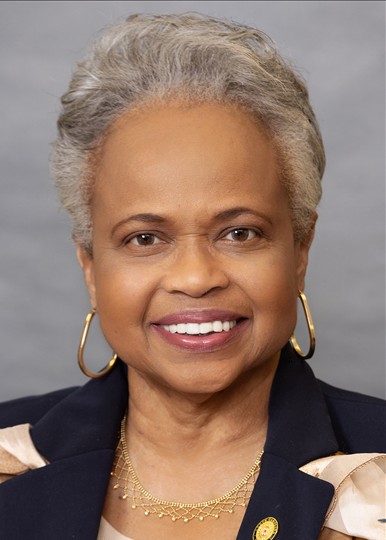
SB 666 creates a $56 million PFAS Mitigation Fund to help local water and wastewater systems address PFAS contamination through grants for testing, treatment upgrades, and emergency response. It sets strict drinking water limits (e.g., 4 parts per trillion for PFOA and PFOS) and requires the state to adopt science-based PFAS discharge limits for industries by October 2025, including source reduction plans and pretreatment technology. The bill also allocates $14 million for research on PFAS detection, health impacts, and removal technologies through UNC’s Collaboratory. These provisions directly affect public water systems, industrial dischargers, and communities facing PFAS contamination in water sources.
HB 534 appropriates $700,000 from North Carolina's General Fund for the 2025-2026 fiscal year to establish sexual assault nurse examiner (SANE) training programs at Rowan-Cabarrus Community College and Wake Technical Community College. Each college receives $350,000 to hire a full-time faculty member ($105,000), a clinical coordinator ($105,000), purchase equipment/supplies ($45,000), and cover program development and accreditation costs ($95,000). The bill directly affects these two community colleges and future healthcare professionals seeking SANE certification. It creates a concrete funding mechanism to expand training capacity for nurses specializing in sexual assault victim care.
HB 807 raises teacher salaries for the 2025-2026 school year with new pay scales based on experience and adds supplements for certified teachers, school nurses, counselors, and specialists. It allocates $89.4 million annually and $109.2 million as a one-time fund to provide weighted, per-child funding for children with disabilities based on the cost of services provided. The bill also mandates free breakfast and lunch for all public school students, funded through state appropriations tied to school food authority evaluations, and includes funding for a one-to-one device refresh in public schools.
HB 396 establishes a Nursing Fellows Program at Winston-Salem State University (WSSU) to provide forgivable loans to nursing students. The program targets WSSU students pursuing Bachelor of Science in Nursing or Master of Science in Nursing Education degrees who commit to working as nurses or nursing instructors in North Carolina after graduation. Eligible students receive up to $5,000 per semester (or $2,500 per summer) to cover tuition, fees, and books, with loans forgiven upon meeting service requirements. Funds are managed through a dedicated Trust Fund, with specific allocations for administrative costs, mentoring, and program activities. This directly affects WSSU nursing students planning to work in North Carolina healthcare settings.
SB 663, the "End Menstrual Poverty Act," allocates $350,000 in one-time state funds to expand access to feminine hygiene products through North Carolina’s diaper banks and $1 million annually to fund a school-based grant program for feminine hygiene products. It directly affects low-income individuals and students who rely on diaper banks and school programs for essential hygiene items. The bill increases funding for existing distribution networks (diaper banks) and creates a recurring school grant program under state law. This provides concrete policy changes by boosting product availability in community and educational settings without altering eligibility or creating new requirements. The law takes effect July 1, 2025.
HB 590 establishes licensing requirements for medical imaging and radiation therapy professionals in North Carolina, directly affecting radiographers, radiation therapists, sonographers, and others performing these procedures. The bill creates a new "Medical Imaging and Radiation Therapy Board of Examiners" to set education standards, administer licensing exams, and ensure practitioners are "educationally prepared and clinically competent." It requires all non-licensed practitioners (e.g., radiographers, radiation therapists) to hold a state license before performing procedures involving ionizing radiation or medical imaging, with limited exemptions for licensed physicians. The law aims to protect patients by mandating standardized training and oversight for these technical roles.
HB 817 appropriates $14.5 million in nonrecurring state funds for specific grants benefiting the Triad region (Winston-Salem, Greensboro, and High Point areas) during the 2025-2026 fiscal year. The bill allocates funds to nine nonprofit organizations and local entities for targeted projects, including mobile medical clinics ($50,000), fire department equipment ($1.2 million), fertility assistance for low/middle-income families ($500,000), stadium improvements ($1.5 million), historic site repairs ($5.3 million), and gun violence prevention programs ($1.5 million). These grants directly support community services, economic development, and cultural events within the Triad region. The bill becomes effective July 1, 2025, and does not create new laws or regulations.
HB 78 prohibits North Carolina law enforcement agencies and officers from assisting U.S. Immigration and Customs Enforcement (ICE) with immigration enforcement activities - such as arrests or warrant service - in places of religious worship (churches, synagogues, etc.), elementary/secondary schools, and hospitals. The bill makes any agreements with ICE that violate this prohibition void and could lead to suspension or loss of law enforcement certification for officers who ignore the ban. It explicitly states that state law enforcement may still enforce North Carolina’s laws as usual, but not for immigration enforcement in these protected locations. The bill applies to all current and future law enforcement agreements involving ICE.
HB 451 requires North Carolina public schools to provide parents and legal guardians with an annual information packet about type 1 and type 2 diabetes at the start of each school year. The packet must include descriptions of diabetes types, risk factors, warning signs, screening processes, and recommendations to consult healthcare providers for diagnosis or treatment planning. Schools must also ensure staff are trained to support students with diabetes through individualized care plans. The law, effective July 1, 2025, includes $10,000 in state funds to help schools develop implementation guidance. It directly affects all parents/guardians of students in North Carolina public schools.
SB 704, the "Ronnie Long No Cap Act," removes the $750,000 cap on compensation for exonerees in North Carolina, replacing it with $50,000 per year of wrongful imprisonment. It also requires the state to seek federal approval for Medicaid coverage without income or asset limits for exonerees and mandates the Department of Adult Correction to provide tailored transition services (including housing and employment support) with a $25,000 per person spending limit. The bill directly affects individuals exonerated after wrongful convictions, such as Ronnie Long (44 years incarcerated), by expanding financial compensation, healthcare access, and reintegration support. These provisions apply to exonerees released after the bill's effective date, with compensation retroactive for living individuals.