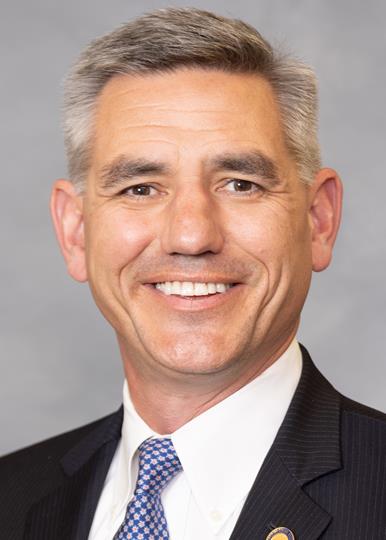
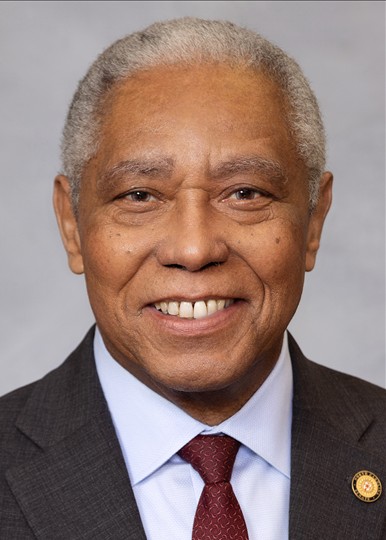
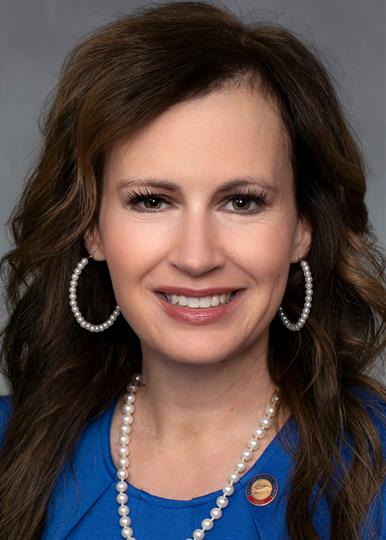
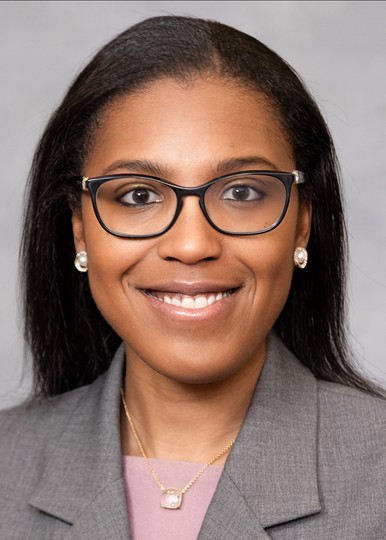
House Bill 4, also known as "Sam's Law," aims to improve seizure preparedness and response in North Carolina schools. The bill requires public school units, charter schools, and other educational institutions to develop individualized Seizure Action Plans for students diagnosed with seizure disorders, in collaboration with their parents. It mandates annual seizure education programs for all K-12 school personnel and requires principals, school counselors, and teachers to complete an annual self-study on seizure disorders. Furthermore, the bill ensures at least one employee in each school is trained to administer seizure medication and requires the posting of seizure first aid information in visible areas. Various educational boards are tasked with adopting policies to implement these requirements, with $50,000 appropriated to the Department of Public Instruction for development costs.
SB 493 proposes several changes to land use regulations in North Carolina. The bill allows public schools to be located in areas zoned for commercial use, either by right or through a special use permit. It also eliminates the authority for cities to exercise planning and development regulation outside their corporate limits, known as extraterritorial jurisdiction. Furthermore, the bill clarifies that establishing one type of vested right on a property does not eliminate other existing use rights, and it sets limits on conditions local governments can impose for special use permits.
House Bill 875 directs the Department of Public Instruction (DPI) to establish a comprehensive system of mathematics support for students in kindergarten through eighth grade. This system requires DPI to provide approved lists of high-quality supplemental math systems for screening and progress monitoring, as well as instructional materials for intervention and core curriculum. These materials must utilize structured problem-based learning, explicit instruction, and provide responsive feedback to students. The bill also mandates DPI to offer approved professional development programs for K-8 teachers to implement these new instructional approaches effectively. Parents will be notified of any identified mathematical deficiencies, including characteristics of dyscalculia, and receive information on interventions and home strategies.
House Bill 971 establishes a pilot program for Annual Career Development Plans in 12 selected North Carolina middle and high schools. This program will affect students entering seventh grade in those schools during the 2025-2026 and 2026-2027 school years, continuing until their high school graduation. Students will create and annually update individual plans with assistance from school counselors, aiming to align them for on-time graduation and college or career readiness. Parents are encouraged to participate and will receive information regarding their child's plan, course offerings, and financial aid options for postsecondary education.
HB 637 grants flexibility to Pitt County Schools regarding salary supplements for advanced teaching roles. It allows the $10,000 supplement for an adult leadership teacher to be shared with other teachers. This sharing is permitted when those teachers are collaborating in a "community of practice" to address an instructional issue within schools participating in the R3 Program Community of Practice model. This bill applies exclusively to Pitt County Schools and becomes effective for the 2025-2026 school year.
HB 636 establishes new procedures for public school units to select and review library media and materials, affecting students, parents, and school personnel. The bill requires schools to adopt policies that ensure materials are age-appropriate and do not contain content defined as "harmful to minors," which includes depictions of sexual activity or pervasively vulgar content. It mandates a review process involving a community library advisory committee, public posting of recommended materials, and a mechanism for public objections. Additionally, the bill requires the creation of a public database for rejected materials and allows parents, guardians, students, or residents to pursue private legal action against schools violating these provisions. Principals are also required to review all media available at school book fairs for compliance.
HB 69, the Military and Veterans Educational Promise Act, provides two key benefits for military-affiliated individuals and veterans at North Carolina's University of North Carolina (UNC) schools. First, it requires UNC institutions to allow eligible military members (including reservists) and their spouses to defer admission for up to five years (for active duty) or two years (for reserve service) upon enrollment notice. Second, it establishes in-state tuition rates for honorably discharged veterans who served at least 90 days in the military, graduated from a North Carolina high school after 2004, had a North Carolina duty station, or received a Purple Heart. The bill applies to all UNC institutions beginning in the 2025-2026 academic year.
SB 507 requires North Carolina public schools to automatically enroll students who score at the highest level on standardized math or English Language Arts (ELA) tests in advanced courses for the next grade level. This applies to students in grades 3-5 for math and grades 6+ for both subjects, with parents able to opt out via written consent after being informed of the placement basis. The bill expands an existing policy (previously only for math) to include ELA courses and mandates annual demographic reporting to the legislature on enrollment patterns. It takes effect for the 2025-2026 school year.
HB 397 allows schools in North Carolina to use epinephrine nasal spray as an emergency treatment option alongside traditional auto-injectors for students experiencing anaphylaxis. The bill amends school health policies to include nasal spray devices in the definition of "epinephrine auto-injector delivery systems," requiring all schools to maintain at least two emergency epinephrine supplies (now including nasal spray) in secure but accessible locations. Schools must train staff to recognize anaphylaxis symptoms, store devices properly, and follow emergency action plans developed with school nurses. This applies to public schools, charter schools, and regional schools starting in the 2025-2026 school year. The policy directly affects school staff, students with severe allergies, and school health protocols.
HB 149 creates a pilot program allowing eligible North Carolina school districts (those with at least 5,000 students and tax authority) to submit a Financial and Hiring Flexibility Plan (FHFP) to the State Board of Education. The plan permits districts to use state funds more flexibly and hire up to 50% unlicensed teachers (who must complete specific training in disability education, behavior management, and safety) while meeting defined academic goals by 2030-2031, such as 100% student career planning and 90% teacher retention. The State Board reviews plans annually and can terminate them if districts fail to meet goals, violate fiscal rules, or have low-performing schools. This program aims to give districts operational flexibility to improve student outcomes, subject to state oversight and performance metrics.