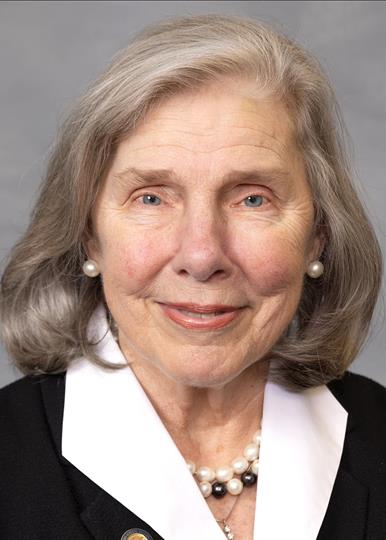
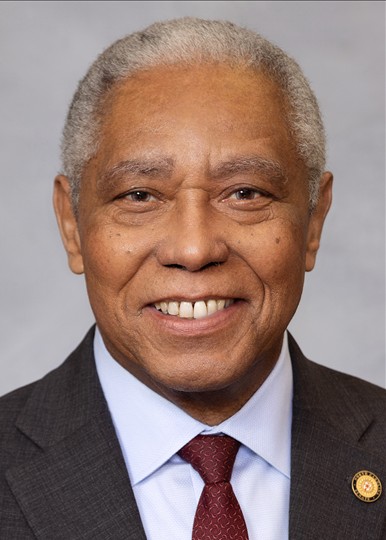
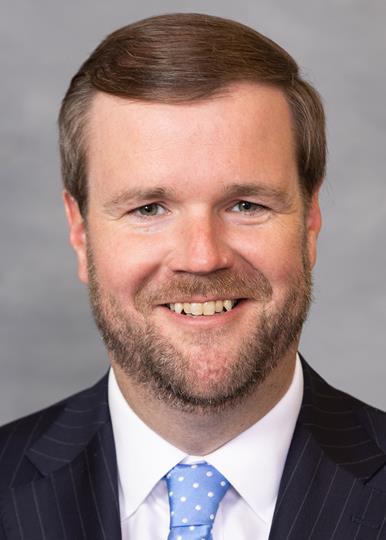
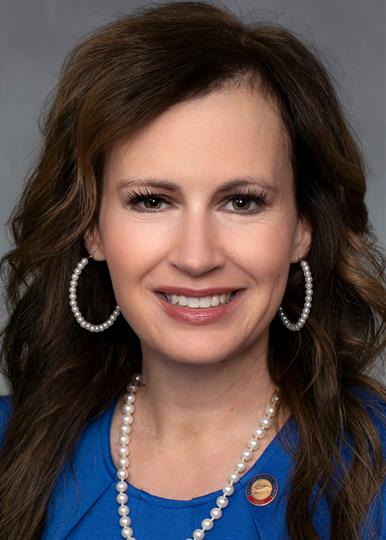
Key legislators
Who's moving education in North Carolina
Showing 3 of 3
bills
All education bills
SB 355 waives tuition at North Carolina public colleges for survivors of correctional officers, probation officers, or firefighters who died in the line of duty or became permanently disabled. It specifically covers spouses of disabled officers and children (ages 17-24) of disabled officers, with eligibility requiring service-connected death/disability and verification from relevant agencies. The waiver applies to both credit and noncredit programs, limiting bachelor’s degree support to 54 months. This policy directly affects families of these public safety workers by reducing education costs.
SB 528 (Child Care Regulatory Reforms and Flexibilities) allows five years of documented work experience in a licensed North Carolina child care facility to count as equivalent to the North Carolina Early Childhood Credential for lead teachers and star ratings. It also increases the maximum group size for toddlers from 18 to 20 children in centers maintaining a 1/9 staff-to-child ratio, while adjusting nap-time supervision requirements. These changes directly affect licensed child care centers, administrators, lead teachers, and staff by providing alternative pathways to meet credentialing requirements and adjusting operational standards for group sizes. The bill aims to increase flexibility for providers while maintaining safety and quality standards under North Carolina’s child care regulations.
SB 227 prohibits North Carolina public schools from teaching or promoting 12 specific "divisive concepts" defined in the bill, such as claims that one race is inherently superior or that individuals bear responsibility for past actions of their race. The bill directly affects K-12 students, teachers, and school employees by banning instruction on these concepts and restricting professional development that includes them. Key provisions include requiring schools to avoid "discriminatory practices" and preventing staff from being compelled to affirm divisive concepts. The bill does not ban all diversity initiatives but targets specific teachings it deems contrary to "equality and rights of all persons." This is a proposed bill (not yet law) currently under review in the North Carolina Senate.