Issue · Criminal Justice

Criminal Justice

Every criminal justice bill, vote, and legislator stance in North Carolina, automatically classified by Maddy, our AI policy reader.

Total bills
171
2025-2026 Session
Top supporter
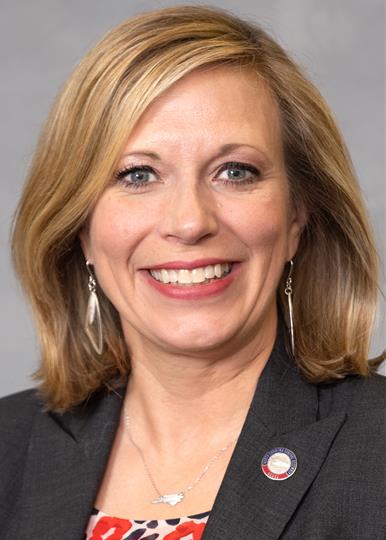
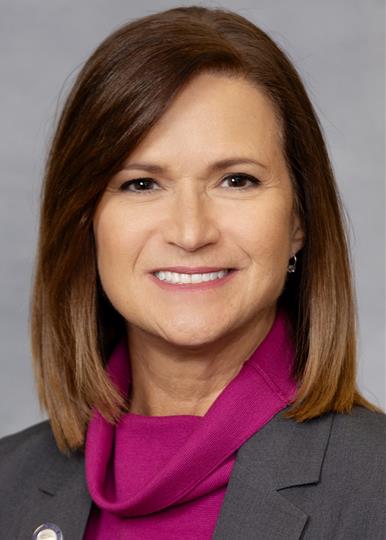
Becky Carney
100% support rate
Top opponent
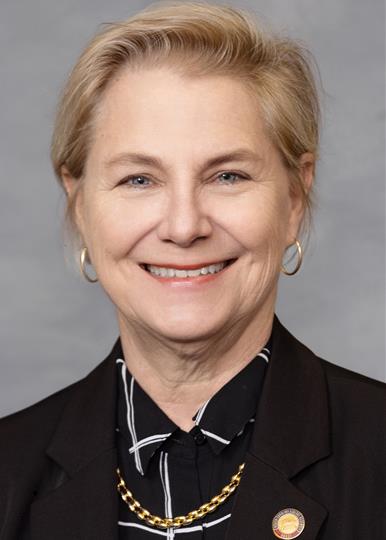
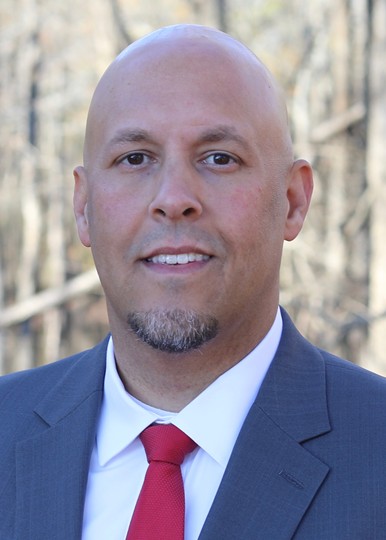
Jimmy Dixon
0% support rate
Ranked legislators
10
5 support · 5 oppose
Key legislators

Who's moving criminal justice in North Carolina

Legislators moving criminal justice in North Carolina
Legislator Party Stance Support rate Votes
Becky Carney
Becky Carney House · District 102
D
Strong +
100% 42
Sarah Crawford
Sarah Crawford House · District 66
D
Strong +
100% 42
Deb Butler
Deb Butler House · District 18
D
Strong +
100% 37
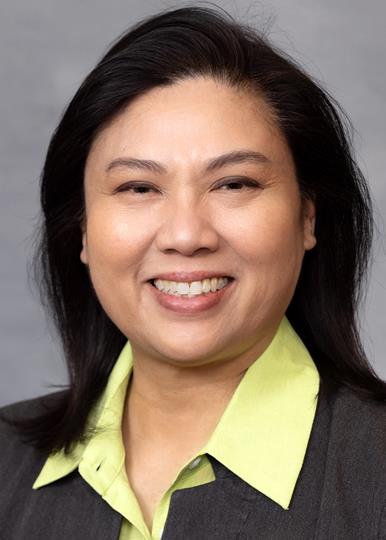
Maria Cervania
Maria Cervania House · District 41
D
Strong +
100% 42
Allison Dahle
Allison Dahle House · District 11
D
Strong +
100% 41
Jimmy Dixon
Jimmy Dixon House · District 4
R
Strong −
0% 39
Celeste Cairns
Celeste Cairns House · District 13
R
Strong −
0% 40
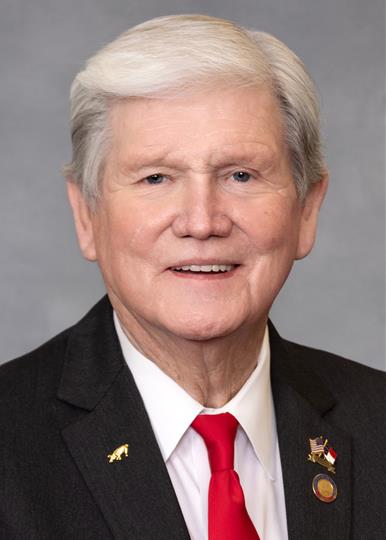
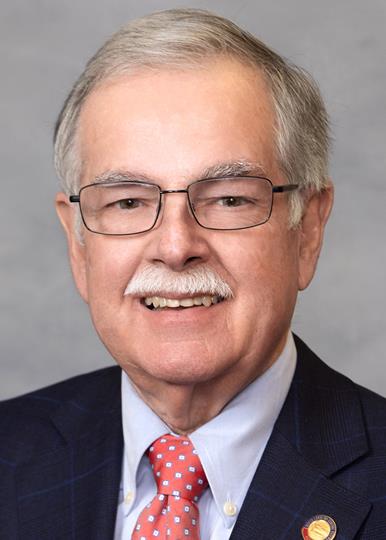
John Lowery
John Lowery House · District 47
R
Strong −
0% 28
Tim Reeder
Tim Reeder House · District 9
R
Strong −
0% 41
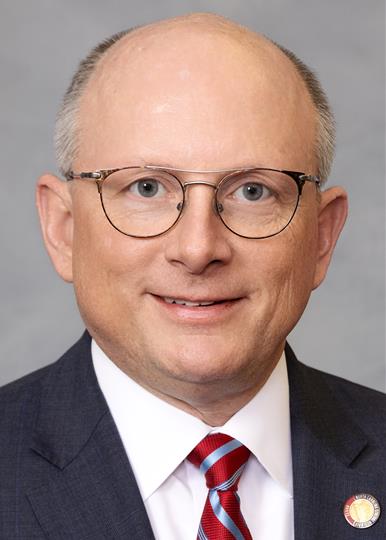
Donny Lambeth
Donny Lambeth House · District 75
R
Strong −
0% 40
Showing 51–60 of 171 bills

All criminal justice bills

in committee · North Carolina · House May 4, 2026

HB 1134: Secret Peeping on Minor/Increase Punishment.

This bill increases penalties for secret peeping offenses in North Carolina when the victim is a minor under the age of 18. It reclassifies certain non-consensual viewing acts from misdemeanors to Class A1 misdemeanors and elevates crimes involving photography or image dissemination to felony levels, specifically Class H felonies for offenses against minors. The legislation also allocates $25,000 to fund a public awareness campaign about these updated laws. These stricter punishments and funding measures will take effect on July 1, 2026, with the new penalty provisions becoming active on December 1, 2026.
died · North Carolina · Senate Apr 23, 2026

SB 788: Guarding Freedoms and Public Safety Act.

This bill introduces several new firearm regulations in North Carolina, including a ban on individuals convicted of misdemeanor domestic violence offenses from buying or owning guns. It also mandates universal background checks for all private firearm sales and transfers, requiring dealers to run checks on every transaction and private sellers to use licensed dealers for background verification. Additionally, the legislation reinstates a pistol purchase permit system and requires parents or guardians to certify that students in public schools safely store firearms at home. The bill includes funding for the Department of Public Safety to support these enforcement efforts.
in committee · North Carolina · House May 5, 2026

HB 1208: Community Safety Risk Protection Act.

HB 1208, known as the Community Safety Risk Protection Act, requires individuals in North Carolina to surrender firearms, ammunition, and related permits to law enforcement when a civil no-contact order is issued against them. This measure applies to people who have threatened violence, made threats of suicide, or caused serious injury to a victim, and it mandates that these items be stored by the sheriff until the legal order expires or is denied. The bill also outlines a process for individuals to request the return of their surrendered items after the protective order is no longer in effect, provided they are not legally prohibited from owning a firearm.
in committee · North Carolina · House May 5, 2026

HB 1188: Limits on Immigration Detention Facilities.

This North Carolina bill prohibits cities, counties, and local or state law enforcement agencies from entering contracts to detain noncitizens in locked immigration facilities for civil immigration cases. It also bans these agencies from maintaining facilities specifically designed to house individuals awaiting removal proceedings under federal authority. To support oversight, the Department of Public Safety must collect and report annual data on detainees, including demographics, legal status, and release or deportation details. The law includes funding for administrative costs and is set to take effect on December 1, 2026.
in committee · North Carolina · House Apr 27, 2026

HB 1044: Justice in Mental Health Act.

This bill aims to improve the connection between the court system and mental health services in North Carolina to reduce unnecessary jail time. It directs state agencies to create training for judges and staff on spotting mental health risks and to build a framework for sending court-involved individuals to treatment instead of detention. The legislation also updates legal standards for determining when someone is a danger to others and provides funding to support these new programs and data-sharing systems.
in committee · North Carolina · Senate May 4, 2026

SB 1036: Mutual Aid/Tribal Police and Sheriff's Offices.

This bill authorizes tribal police chiefs in North Carolina to enter into mutual aid agreements with other state law enforcement agencies. It achieves this by amending existing statutes to explicitly include tribal police departments alongside municipal and county police departments and sheriff's offices as eligible partners for cooperation. The legislation also designates a single authorized officer within each agency to handle requests for assistance and allocates $10,000 in state funds to help manage the administrative requirements of these new agreements.
Sub-Topics Law Enforcement Policing Tags Tribal Nations
in committee · North Carolina · House Apr 30, 2026

HB 1091: DWI Modernization Act of 2026.

HB 1091, known as the DWI Modernization Act of 2026, updates North Carolina laws regarding impaired driving to improve enforcement, increase penalties, and provide clearer procedures for drivers. The bill requires magistrates to provide written explanations when dismissing DWI charges, ensuring officers must justify their probable cause decisions based on specific test results and observations. It also adjusts fees for license restoration, increases fines for repeat offenders, and mandates that transportation network drivers meet the same sobriety standards as commercial bus drivers. Additionally, the legislation makes it a felony for adults to help minors obtain alcohol if that minor causes serious injury, while also clarifying the immediate revocation process for drivers who refuse chemical tests.
Sub-Topics Public Transit
died · North Carolina · Senate Apr 28, 2026

SB 838: The Frontline Mental Health Support Act.

This bill creates the Frontline Mental Health Support Program in North Carolina to offer confidential counseling to public school teachers and first responders who face occupational stress. Eligible employees, including law enforcement, firefighters, and emergency medical personnel, can access up to 12 licensed therapy sessions per year through in-person or telehealth options. The legislation appropriates $13 million in recurring funds starting in 2026-2027 to establish the program and expand the behavioral health workforce via grants to providers. It also mandates that participation cannot be used as grounds for any adverse employment actions and requires a report on the program's implementation by 2028.
died · North Carolina · Senate Apr 29, 2026

SB 878: Investment in Pinetops' Police Department.

This North Carolina bill allocates state funding to the Town of Pinetops to support its police department. The law provides $150,000 in recurring annual funds beginning in the 2026-2027 fiscal year specifically for staffing needs. It also grants $100,000 in one-time funds for equipment purchases for the same fiscal year. These funds become available for use starting on July 1, 2026.
died · North Carolina · Senate May 6, 2026

SB 1053: Child Care Licensing Penalty Reform.

SB 1053 modifies how North Carolina handles criminal penalties for child care licensing violations by reducing the charge from a Class I felony to a Class A1 misdemeanor for first-time offenses, provided no child injury occurred. The bill allows prosecutors to still pursue felony charges for repeat offenders or cases involving multiple children, but requires them to consider specific factors like the number of children at risk and whether the operator took corrective action. To support these changes, the legislation allocates $75,000 to update enforcement protocols, training materials, and court forms for relevant state agencies and legal personnel.
Sub-Topics Courts
Showing 51 to 60 of 171 bills
Previous 1 5 6 7 18 Next