Issue · Criminal Justice

Criminal Justice

Every criminal justice bill, vote, and legislator stance in North Carolina, automatically classified by Maddy, our AI policy reader.

Total bills
43
2025-2026 Session
Top supporter
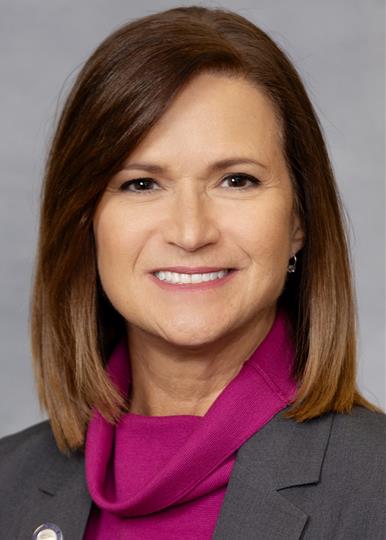
Becky Carney
100% support rate
Top opponent
Jimmy Dixon
0% support rate
Ranked legislators
10
5 support · 5 oppose
Key legislators

Who's moving criminal justice in North Carolina

Legislators moving criminal justice in North Carolina
Legislator Party Stance Support rate Votes
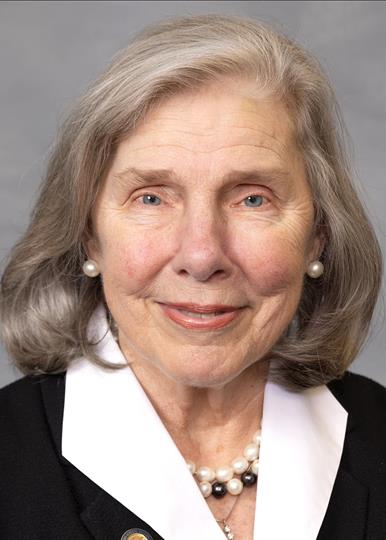
Becky Carney
Becky Carney House · District 102
D
Strong +
100% 42
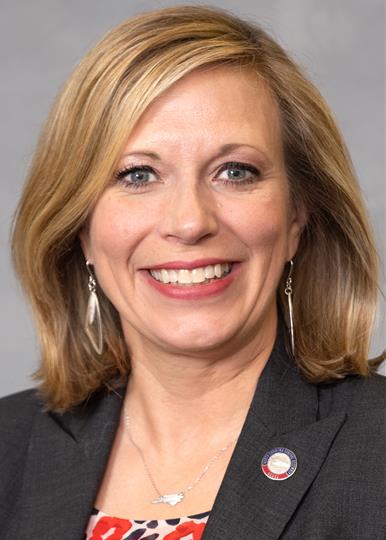
Sarah Crawford
Sarah Crawford House · District 66
D
Strong +
100% 42
Deb Butler
Deb Butler House · District 18
D
Strong +
100% 37
Maria Cervania
Maria Cervania House · District 41
D
Strong +
100% 42
Allison Dahle
Allison Dahle House · District 11
D
Strong +
100% 41
Jimmy Dixon
Jimmy Dixon House · District 4
R
Strong −
0% 39
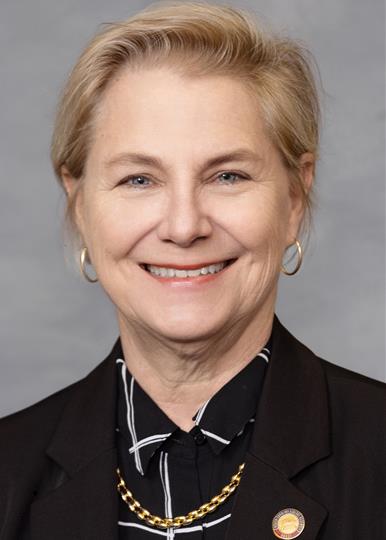
Celeste Cairns
Celeste Cairns House · District 13
R
Strong −
0% 40
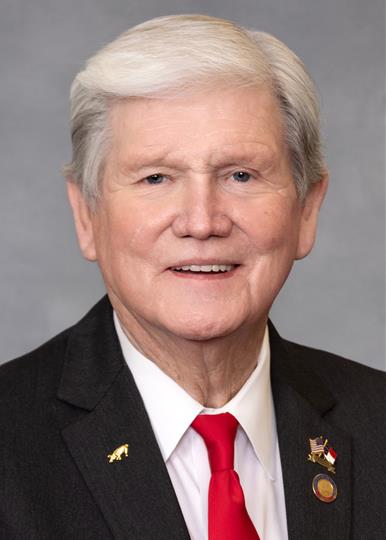
John Lowery
John Lowery House · District 47
R
Strong −
0% 28
Tim Reeder
Tim Reeder House · District 9
R
Strong −
0% 41
Donny Lambeth
Donny Lambeth House · District 75
R
Strong −
0% 40
Showing 31–40 of 43 bills

All criminal justice bills

passed · North Carolina · House Mar 26, 2025

HB 330: Controlled Substances Act - Updates.

HB 330 updates North Carolina's Controlled Substances Act by adding specific synthetic drugs and chemical structures to Schedule I, making them illegal without exception. It directly affects law enforcement, healthcare providers, and individuals using these substances, as it automatically controls new variants of fentanyl derivatives (like 4-fluorofentanyl), nitazenes, synthetic cannabinoids (including indole carboxamides), and other novel psychoactive substances based on their chemical structure - not just named compounds. Key mechanisms include defining "structurally derived" compounds (e.g., fentanyl modifications) and listing specific examples to close loopholes where manufacturers alter molecules slightly to evade existing laws. This policy change aims to address emerging drug threats by expanding the legal definition of controlled substances.
Sub-Topics Drug Policy
died · North Carolina · Senate Mar 26, 2025

SB 620: The STRONG Act of 2025.

SB 620, the STRONG Act of 2025, targets North Carolina's fentanyl crisis through several key measures. It significantly increases prison terms and fines for drug trafficking, especially for fentanyl, heroin, or carfentanil (e.g., 28+ grams carries a minimum 225-month sentence), and adds 60 months to sentences for offenses near schools or parks (Section 3.3). The bill appropriates $10 million for the State Bureau of Investigation's Drug Task Force (Section 4.1) and expands the Controlled Substances Reporting System. It also funds opioid prevention/treatment programs and creates a tax credit for businesses hiring staff trained in substance use disorder (Section 4.2). These provisions directly affect traffickers, law enforcement, healthcare providers, and eligible businesses.
in committee · North Carolina · Senate Mar 26, 2025

SB 724: Safe Parks and Public Spaces Act.

SB 724 prohibits unauthorized camping in public parks, sidewalks, and other public spaces (like non-designated areas), except for temporary sites specifically approved for homeless encampments. It defines "public camping" as using tents, bedding, or personal items on public property without authorization, making violations a misdemeanor punishable by fines or short jail time (with first offenses directed to shelters instead of charges). Local governments must enforce this ban and cannot allow regular camping on non-designated public areas, while citizens can sue municipalities that fail to comply. The bill also withholds state homelessness funding from counties or cities that violate these provisions and fail to correct violations after notice.
in committee · North Carolina · House Feb 6, 2025

HB 64: Constitutional Amendment - Gubernatorial Clemency.

HB 64 proposes a constitutional amendment that would require the North Carolina General Assembly to approve the governor's clemency grants (including reprieves, commutations, and pardons after conviction). Currently, the governor can grant clemency without legislative input; this bill would mandate a majority vote in both legislative chambers for such grants to take effect. If the governor grants clemency after the legislature has adjourned for over 30 days, the bill requires the governor to reconvene the session for legislative consideration. The amendment must be approved by voters in the November 2026 general election to become part of the state constitution.
failed · North Carolina · House Aug 6, 2026

HB 308: 2026 Criminal Law Changes.

HB 308 reclassifies strangulation as a Class H felony (up from Class G) and clarifies "serious bodily injury" to include permanent disfigurement or prolonged hospitalization. It clarifies that certain domestic violence misdemeanors cannot be treated as lesser offenses under related statutes and creates a new "habitual misdemeanor assault" offense for repeat offenders involving domestic violence. The bill prohibits expunging criminal records for individuals with pending charges and requires judges to review criminal history when setting pretrial release conditions in domestic violence cases. Judges must also impose specific conditions like staying away from victims' homes or abstaining from alcohol for those charged under domestic violence laws.
in committee · North Carolina · Senate Mar 6, 2025

SB 244: January 6 Riot/Attempt Overthrow of Gov't.

This bill makes it a Class F felony in North Carolina to participate in a riot where someone attempts to overthrow the U.S. government, North Carolina government, or a local government (like a city or county). It also makes it a felony to incite such a riot if the incitement directly contributes to an attempt to overthrow government. The law applies only to offenses committed on or after December 1, 2025, and amends existing riot statutes to add this specific government-overthrow element as a felony trigger. It does not address past events, including the January 6, 2021, Capitol incident.
passed · North Carolina · House May 1, 2025

HB 261: Sentence Enhancement/Immigration-Related Crimes.

HB 261 establishes new sentence enhancements for individuals convicted of certain crimes. It increases the severity of a felony sentence (excluding Class A) if the person was unlawfully in the United States and had prior immigration issues, raising the felony by one or two classes. The bill also enhances sentences for felonies (excluding Class A) and misdemeanors committed while conspiring with others to benefit or promote criminal activity. For these offenses, the sentence is increased by one class, or a Class A1 misdemeanor becomes a Class I felony. These enhancements apply if the specific conditions are proven beyond a reasonable doubt during trial.
Sub-Topics Sentencing Enforcement
passed · North Carolina · House May 1, 2025

HB 575: The Hunter Robinson Act.

HB 575, known as "The Hunter Robinson Act," revises North Carolina's laws governing post-release supervision for criminal offenders. The bill modifies how the "maximum imposed term" is calculated for prisoners serving consecutive sentences by adjusting the months deducted based on felony class. It also changes when prisoners become eligible for post-release supervision and extends the required length of the supervision period for most felony categories. These changes generally result in longer post-release supervision terms for affected offenders. The act applies to offenses committed on or after December 1, 2025.
Sub-Topics Probation & Parole
passed · North Carolina · House May 5, 2025

HB 483: Juvenile Justice Legislative Proposals.

HB 483 proposes several changes to juvenile justice procedures. The bill extends the maximum terms of probation and post-release supervision for youth adjudicated of certain violent offenses (Class A, B1, or B2 felonies) to up to three years. It clarifies a victim's right to be notified and heard regarding the termination of a juvenile's probation or post-release supervision. Additionally, the bill modifies criteria for secure custody, allowing a superior court judge to issue such an order after a case is moved to juvenile court and authorizing it for juveniles who violate domestic violence protective orders.
vetoed · North Carolina · House Jul 27, 2026

HB 437: Drug-Free Zones/Unauthorized Public Camping.

HB 437 establishes "Drug-Free Homeless Service Zones" within 300 feet of facilities that provide homeless services (like shelters or transitional housing) using public funds. It increases penalties for drug offenses committed in these zones: individuals 21+ face Class E felony charges, while facility operators allowing such offenses face Class 1 misdemeanor charges. Facilities must display visible signs identifying the zone, and the law applies to offenses committed on or after December 1, 2025. The bill directly affects homeless service providers, their operators, and individuals committing drug offenses in designated zones.
Showing 31 to 40 of 43 bills
Previous 1 3 4 5 Next