Issue · Criminal Justice

Criminal Justice

Every criminal justice bill, vote, and legislator stance in North Carolina, automatically classified by Maddy, our AI policy reader.

Total bills
43
2025-2026 Session
Top supporter
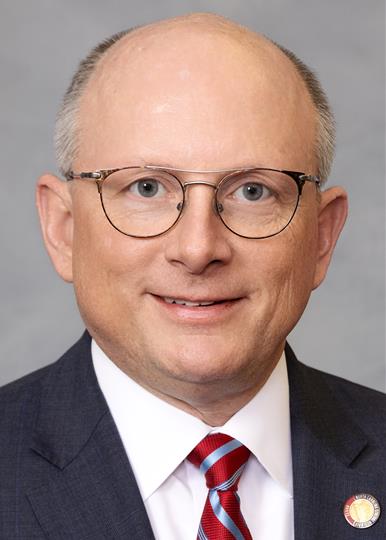
Becky Carney
100% support rate
Top opponent
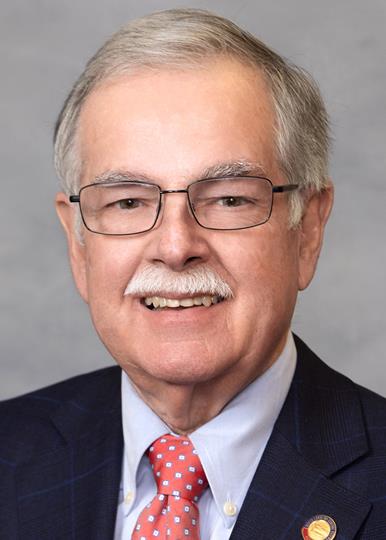
Jimmy Dixon
0% support rate
Ranked legislators
10
5 support · 5 oppose
Key legislators

Who's moving criminal justice in North Carolina

Legislators moving criminal justice in North Carolina
Legislator Party Stance Support rate Votes
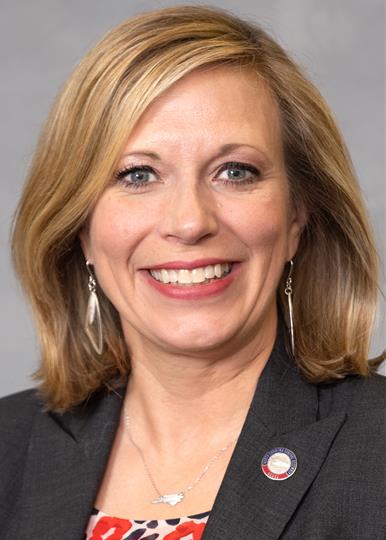
Becky Carney
Becky Carney House · District 102
D
Strong +
100% 42
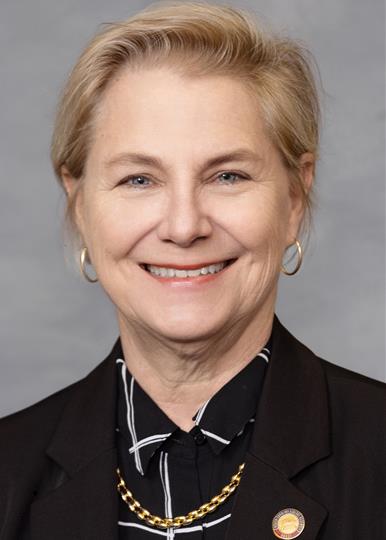
Sarah Crawford
Sarah Crawford House · District 66
D
Strong +
100% 42
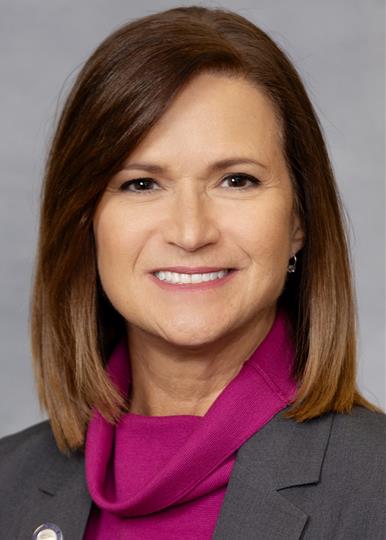
Deb Butler
Deb Butler House · District 18
D
Strong +
100% 37
Maria Cervania
Maria Cervania House · District 41
D
Strong +
100% 42
Allison Dahle
Allison Dahle House · District 11
D
Strong +
100% 41
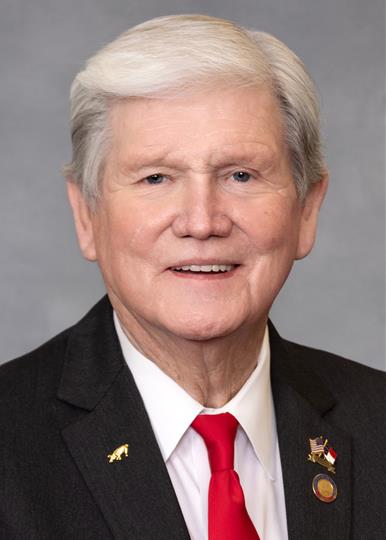
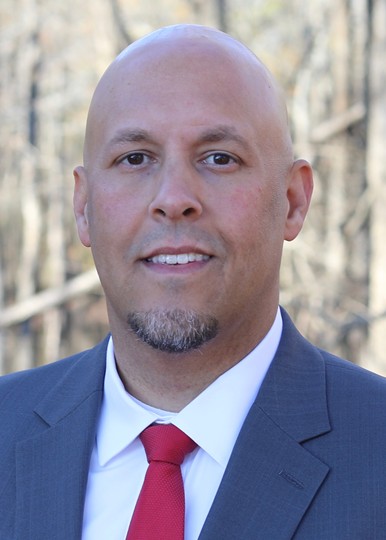
Jimmy Dixon
Jimmy Dixon House · District 4
R
Strong −
0% 39
Celeste Cairns
Celeste Cairns House · District 13
R
Strong −
0% 40
John Lowery
John Lowery House · District 47
R
Strong −
0% 28
Tim Reeder
Tim Reeder House · District 9
R
Strong −
0% 41
Donny Lambeth
Donny Lambeth House · District 75
R
Strong −
0% 40
Showing 21–30 of 43 bills

All criminal justice bills

in committee · North Carolina · House Mar 20, 2025

HB 449: Crimes Against Minors/Revise Law.

HB 449 increases penalties for computer solicitation of minors, making second offenses or those involving actual meetings Class D felonies (up from Class H). It requires sex offender registration petitions to be filed with courts and placed on criminal dockets for timely review. The bill also creates new offenses: "habitual indecent exposure" (Class F felony for two prior convictions) and "aggravated habitual indecent exposure" (Class E felony), both mandating sex offender registration. These changes directly affect individuals convicted of repeated indecent exposure or online solicitation of minors in North Carolina.
died · North Carolina · Senate Apr 1, 2025

SB 361: Protecting First Responders Act.

SB 361, the "Protecting First Responders Act," increases criminal penalties for assaulting or exposing emergency medical technicians, firefighters, and other first responders to fentanyl or harmful substances. It criminalizes intentionally exposing these responders to fentanyl (a Class H felony) or causing serious injury through such exposure (Class G felony), and imposes a Class I felony for failing to warn responders about fentanyl at a scene. The bill appropriates $10.35 million in nonrecurring funds for the 2025-2026 fiscal year to provide bulletproof vests ($8.1 million) and bulletproof backpack plates ($2.25 million) to paramedics and EMTs through grants. These provisions apply to first responders registered with North Carolina’s Office of Emergency Medical Services, with funding effective July 1, 2025, and criminal provisions effective December 1, 2025.
in committee · North Carolina · House Apr 7, 2025

HB 764: Establish Death by Reckless Boating.

HB 764 creates new criminal offenses for causing death or serious injury through reckless boating in North Carolina. It defines "Death by Reckless Boating" and "Serious Injury by Reckless Boating" as unintentionally harming others while operating a vessel recklessly (but not impaired), with "Aggravated" versions applying to those with prior reckless boating convictions within seven years. Penalties range from a Class A1 misdemeanor for basic death cases to a Class F felony for aggravated death incidents. The bill also prevents double prosecution for the same incident under both this law and manslaughter statutes. This directly affects boat operators whose reckless actions cause harm, establishing specific legal consequences for those offenses.
in committee · North Carolina · House Feb 13, 2025

HB 109: Strangulation/Increase Punishment.

HB 109 reclassifies strangulation-related assaults in North Carolina by increasing penalties based on the severity of injury. It creates three felony tiers: a Class F felony for assaults causing serious bodily injury (like permanent disfigurement or coma), a Class H G felony for strangulation causing physical injury, and a Class H felony for any strangulation assault. The bill defines "serious bodily injury" and "strangulation" to clarify legal standards for prosecutors and courts. It applies to offenses committed on or after June 1, 2025, directly affecting individuals convicted of strangulation assaults.
Sub-Topics Violent Crime
in committee · North Carolina · House Feb 27, 2025

HB 230: Create Crime for Habitual Domestic Violence.

HB 230 creates a new felony offense for individuals who commit a domestic violence misdemeanor (under G.S. 14-32.5) and have two or more prior domestic violence convictions within the past 15 years. The first conviction under this law is a Class H felony, with penalties increasing for subsequent offenses (up to Class C felony). The bill also expands police authority to make warrantless arrests for domestic violence misdemeanors when officers have probable cause to believe the crime occurred. This directly affects repeat domestic violence offenders in North Carolina, with the law taking effect December 1, 2025.
in committee · North Carolina · House Feb 11, 2025

HB 86: Citizens' Expungement Clarification of 2025.

HB 86, titled "Citizens' Expungement Clarification of 2025," prohibits non-citizens and non-legal residents of the U.S. from clearing criminal convictions or charges from their records through expungement in North Carolina. The bill requires courts to verify a petitioner’s U.S. residency or citizenship status at least 30 days before granting expungement, including potential queries to U.S. Immigration and Customs Enforcement (ICE). It exempts individuals who lawfully entered the U.S. and have filed or are awaiting an immigrant petition with U.S. immigration authorities. The law takes effect October 1, 2025, applying to all expungement petitions filed after that date.
passed both · North Carolina · House Jun 25, 2026

HB 34: Strengthen Medicaid Provider Controls.

HB 34 creates a new criminal offense for stealing or misusing someone else's mail, directly affecting individuals who unlawfully take, control, or transfer mail intended for others. The bill defines "mail" broadly to include letters, packages, or valuable items sent to another person and prohibits two specific actions: stealing mail to deprive the owner, or transferring mail to benefit someone not entitled to it. Punishments range from a Class A1 misdemeanor for first-time, low-value thefts (under $200) to a Class D felony for repeat offenses or high-value thefts (over $2,000). This law, effective December 1, 2025, applies to offenses committed after that date.
passed · North Carolina · House Mar 17, 2025

HB 182: Revise Law Permanent Protective Order/Child Abuse.

HB 182 creates two key policy changes: First, it allows judges to issue lifetime no-contact orders against defendants convicted of certain violent offenses (including sex offenses requiring registration), requiring a show-cause hearing to determine if the victim fears future contact. Second, it clarifies that caregivers of children under 16 who commit or allow sexual acts with the child face Class D felony charges, specifically expanding penalties for permitting such abuse. The law directly affects victims of violent crimes (through the no-contact protections) and caregivers of children under 16 (through updated felony charges for sexual abuse). These provisions apply to offenses committed on or after December 1, 2025.
Sub-Topics Domestic Violence
in committee · North Carolina · House Mar 20, 2025

HB 452: Revise Law/Obstruction of Health Facility.

HB 452 makes it a crime to obstruct access to or threaten people at healthcare facilities in North Carolina. It prohibits blocking entrances, delaying care, or threatening patients, staff, or those helping others access services. The bill also restricts protests within 8 feet of people near facility entrances (unless consented to) and increases penalties: first offenses are misdemeanors, repeat offenses within three years become more serious misdemeanors, and third offenses escalate to felonies. This law directly affects individuals engaging in protests or obstruction near healthcare facilities, healthcare providers, and patients seeking care. It takes effect December 1, 2025.
passed · North Carolina · House Mar 20, 2025

HB 95: Threaten Elected Official/Increase Punishment.

HB 95 increases penalties for threats against certain elected and public officials in North Carolina, making such threats a Class I felony. It directly affects individuals who make threats against legislative, executive, court, local elected, or election officials, requiring a $50,000 secured appearance bond for anyone charged with these offenses. The bill amends existing statutes to clarify that threats need not be received or believed by the targeted official, and it specifically covers threats made in retaliation for an official's duties. The law applies to offenses committed on or after December 1, 2025.
Sub-Topics Courts
Showing 21 to 30 of 43 bills
Previous 1 2 3 4 5 Next