Issue · Criminal Justice

Criminal Justice

Every criminal justice bill, vote, and legislator stance in North Carolina, automatically classified by Maddy, our AI policy reader.

Total bills
214
2025-2026 Session
Top supporter
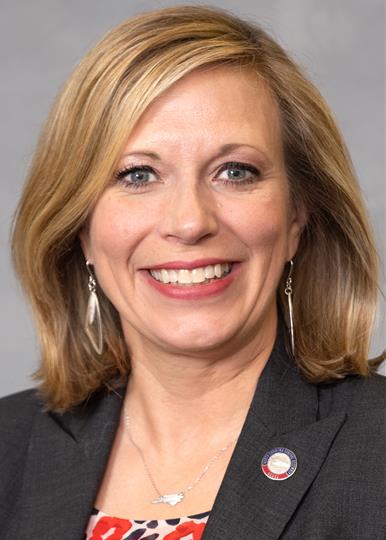
Becky Carney
100% support rate
Top opponent
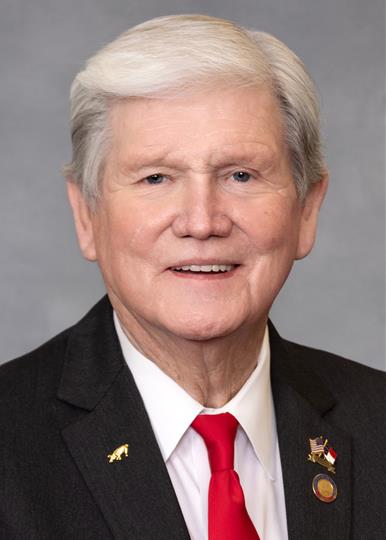
Jimmy Dixon
0% support rate
Ranked legislators
10
5 support · 5 oppose
Key legislators

Who's moving criminal justice in North Carolina

Legislators moving criminal justice in North Carolina
Legislator Party Stance Support rate Votes
Becky Carney
Becky Carney House · District 102
D
Strong +
100% 42
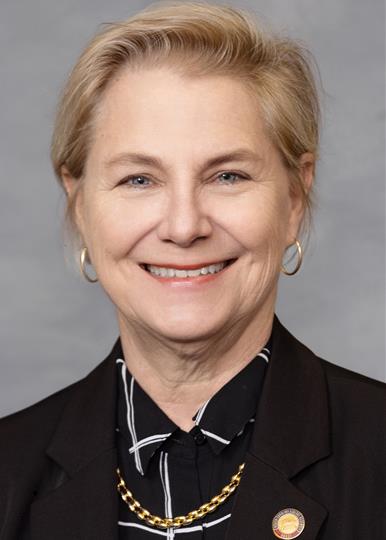
Sarah Crawford
Sarah Crawford House · District 66
D
Strong +
100% 42
Deb Butler
Deb Butler House · District 18
D
Strong +
100% 37
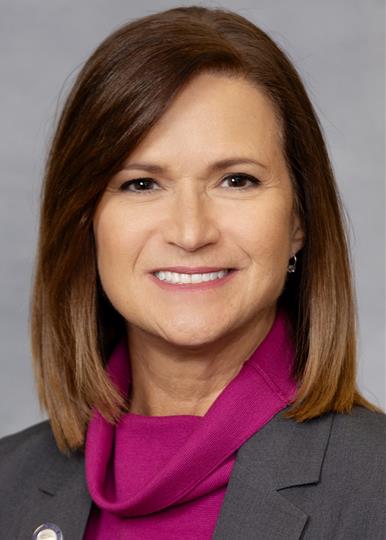
Maria Cervania
Maria Cervania House · District 41
D
Strong +
100% 42
Allison Dahle
Allison Dahle House · District 11
D
Strong +
100% 41
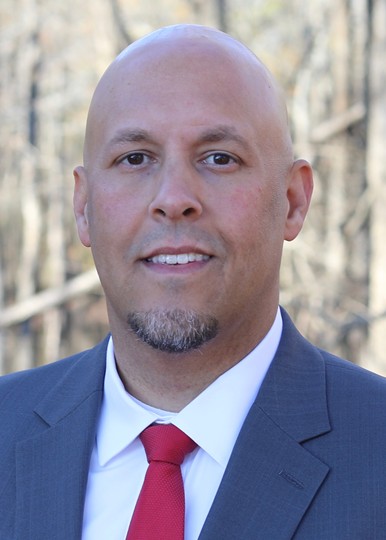
Jimmy Dixon
Jimmy Dixon House · District 4
R
Strong −
0% 39
Celeste Cairns
Celeste Cairns House · District 13
R
Strong −
0% 40
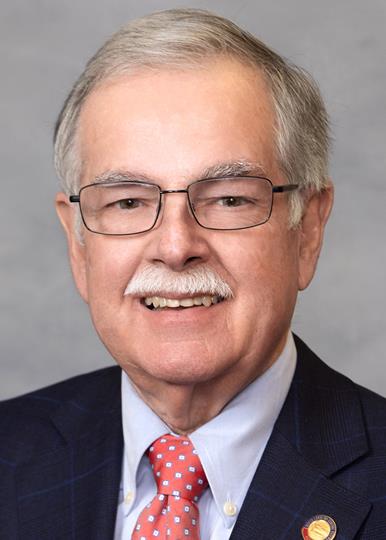
John Lowery
John Lowery House · District 47
R
Strong −
0% 28
Tim Reeder
Tim Reeder House · District 9
R
Strong −
0% 41
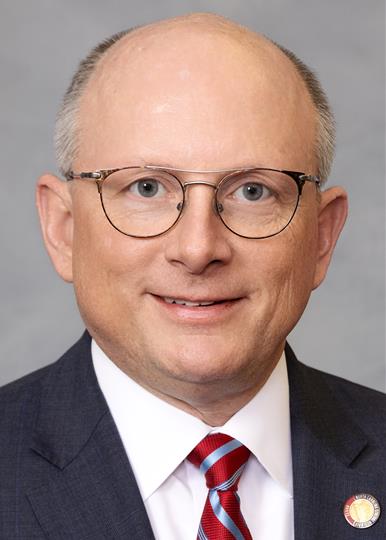
Donny Lambeth
Donny Lambeth House · District 75
R
Strong −
0% 40
Showing 171–180 of 214 bills

All criminal justice bills

in committee · North Carolina · Senate Mar 26, 2025

SB 634: Kayla's Act: Protecting Dom. Violence Victims.

SB 634, "Kayla's Act: Protecting Domestic Violence Victims," allows domestic violence victims to testify remotely in court to reduce trauma from facing their abuser. It directly affects victims in criminal cases involving domestic violence (as defined under North Carolina law), including assault, stalking, or violations of protection orders. The bill requires prosecutors to notify the defense 15 business days before remote testimony, with the defense needing to object in writing 5 days prior to prevent it. If the defense objects, a judge may still allow remote testimony if the victim would suffer serious emotional distress from testifying in person or if their communication would be impaired. The law also sets specific standards for how remote testimony must be conducted, including real-time audio/video and safeguards for cross-examination.
in committee · North Carolina · Senate Mar 26, 2025

SB 560: Taskforce on Missing BIPOC Women.

SB 560 establishes a state task force to address racial disparities in cases involving missing and murdered Black, Indigenous, and People of Color (BIPOC) women and girls. The task force, composed of state agency representatives and community members with lived experience, will develop policies to improve law enforcement responses, collect better data on missing persons, and create public awareness campaigns. It will specifically focus on ending the misclassification of cases (e.g., labeling Black girls as "runaways"), addressing systemic barriers in reporting, and developing culturally competent protocols for first responders. The task force must submit a report with recommendations within two years of the bill’s enactment.
Sub-Topics Law Enforcement
in committee · North Carolina · House Mar 26, 2025

HB 505: Kayla's Act: Protecting Domestic Violence Victims.

HB 505, "Kayla's Act: Protecting Domestic Violence Victims," allows domestic violence victim witnesses in North Carolina criminal cases to testify remotely (via video or similar technology) instead of in person during trials. This directly affects victims, prosecutors, defense attorneys, and courts in domestic violence cases involving crimes like assault or stalking under Chapter 14 of state law. The bill requires prosecutors to notify defendants 15 business days in advance of remote testimony, with defendants having 5 days to object in writing; if no objection is filed, remote testimony is permitted. If a defendant objects, a judge may still allow remote testimony only if the victim would suffer serious emotional distress from testifying in the defendant's presence or if their ability to communicate with the court would be impaired, with strict court oversight to ensure fair cross-examination.
in committee · North Carolina · Senate Mar 26, 2025

SB 676: The North Carolina Survivors' Act.

SB 676, the North Carolina Survivors' Act, allows courts to consider a defendant's history of domestic violence, physical, sexual, or psychological abuse as a factor that may lead to a reduced sentence. It applies to people convicted of certain crimes who were survivors of abuse by intimate partners, family members, household members, traffickers, or those who exploited them financially. To qualify, defendants must provide documented evidence (like court records, medical reports, or witness statements) showing the abuse was a substantial factor in causing the offense. The bill reduces specific sentence ranges (e.g., life without parole to 30 years or less) but excludes cases involving sex offenses, crimes against children, or offenses requiring sex offender registration.
in committee · North Carolina · Senate Mar 26, 2025

SB 679: The Women's Care Act.

SB 679, the Women's Care Act, requires North Carolina courts to defer imprisonment for 12 weeks after a pregnant person’s delivery (or end of pregnancy) if they pose no threat to the community. It directly affects pregnant female persons sentenced to prison, mandating courts to postpone incarceration while requiring them to maintain perinatal care, participate in community programs, and report monthly via phone or electronic means. The bill also allows probation supervision without fees during this period and requires prisons to report annual data on pregnant incarcerated women starting in 2026. The law applies to sentences issued on or after its effective date.
in committee · North Carolina · Senate Mar 26, 2025

SB 683: Keeping Kids and Parents Together Act.

SB 683 requires North Carolina courts to impose community-based sentencing (not jail) for nonviolent offenders who are the primary caretaker of a dependent child under 18. It applies to individuals convicted of nonviolent offenses, defined as crimes not involving weapons, burglary, arson, or serious injury risks. Courts must assess eligibility before sentencing and can require conditions like parenting classes, drug treatment, job training, or housing assistance to support family unity. Violations of these conditions may lead to jail time, but the law prioritizes rehabilitation over incarceration for eligible parents. The bill takes effect upon enactment for sentences imposed after that date.
Sub-Topics Corrections Sentencing
in committee · North Carolina · Senate Mar 26, 2025

SB 681: The Prison Resources Repurposing Act.

SB 681 creates a new parole pathway for inmates in North Carolina serving life sentences without parole, allowing them to seek release after 20 years of incarceration if they meet specific requirements. To qualify, inmates must complete a five-year assessment, earn a GED or equivalent through education programs, complete vocational training, and maintain positive work evaluations in correctional programs like Correction Enterprises. If released, they serve a five-year parole term, and parole violations result in a five-year ineligibility period. The law applies retroactively to eligible inmates who have served 20+ years by August 1, 2025, and becomes effective on that date.
in committee · North Carolina · Senate Mar 26, 2025

SB 686: The Fair Sentencing Act.

SB 686, "The Fair Sentencing Act," reduces mandatory minimum jail terms for impaired driving offenses in North Carolina. It lowers the minimum imprisonment for Level One offenses from 30 days to as little as 10 days if alcohol monitoring is required, and eliminates mandatory minimums for less severe cases (Level Three and Four). The bill requires courts to impose substance abuse assessments and treatment as a probation condition, and allows defendants to avoid jail time by using continuous alcohol monitoring systems for 90-120 days instead. This directly affects individuals convicted of impaired driving, particularly those facing lower-level charges. The law modifies sentencing guidelines under Chapter 20 of North Carolina's General Statutes.
in committee · North Carolina · Senate Mar 26, 2025

SB 704: The Ronnie Long No Cap Act.

SB 704, the "Ronnie Long No Cap Act," removes the $750,000 cap on compensation for exonerees in North Carolina, replacing it with $50,000 per year of wrongful imprisonment. It also requires the state to seek federal approval for Medicaid coverage without income or asset limits for exonerees and mandates the Department of Adult Correction to provide tailored transition services (including housing and employment support) with a $25,000 per person spending limit. The bill directly affects individuals exonerated after wrongful convictions, such as Ronnie Long (44 years incarcerated), by expanding financial compensation, healthcare access, and reintegration support. These provisions apply to exonerees released after the bill's effective date, with compensation retroactive for living individuals.
Sub-Topics Medicaid
in committee · North Carolina · Senate Mar 26, 2025

SB 719: NC Victims of Crime Assistance Act.

SB 719 creates the North Carolina Victims of Crime Assistance (NC VOCA) Fund and a competitive grant program to support victim services. It establishes a fund within the Department of Public Safety, administered by the Governor’s Crime Commission, to award grants (up to $1 million per organization annually) to public agencies or nonprofits providing direct assistance to crime victims. The grants must address victims’ emotional, physical, financial, or safety needs, with recipients required to report on fund usage and victims served. This program is funded partly by increased criminal court fees ($147.50 in district court, $154.50 in superior court), with $0.95 from each fee directed to the fund, directly benefiting victims of crime across North Carolina through eligible service providers.
Sub-Topics Courts Victims' Rights
Showing 171 to 180 of 214 bills
Previous 1 17 18 19 22 Next