

Issue · Criminal Justice
Criminal Justice
Every criminal justice bill, vote, and legislator stance in North Carolina, automatically classified by Maddy, our AI policy reader.
Total bills
171
2025-2026 Session
Top supporter
Allison Dahle
100% support rate
Top opponent
Jake Johnson
0% support rate
Ranked legislators
10
5 support · 5 oppose
Key legislators
Who's moving criminal justice in North Carolina
| Legislator | Party | Stance | Support rate | Decisive votes |
|---|---|---|---|---|

Allison Dahle
House · District 11
|
D |
Strong +
|
100% | 9 |

Becky Carney
House · District 102
|
D |
Strong +
|
100% | 9 |
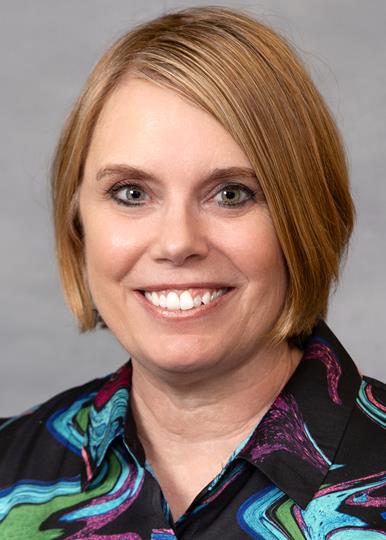
Julie von Haefen
House · District 36
|
D |
Strong +
|
100% | 9 |

Marcia Morey
House · District 30
|
D |
Strong +
|
100% | 9 |

Maria Cervania
House · District 41
|
D |
Strong +
|
100% | 9 |
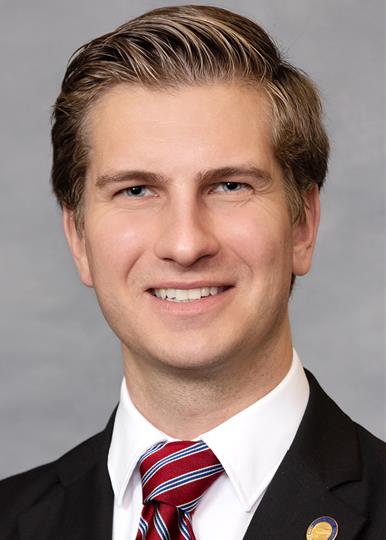
Jake Johnson
House · District 113
|
R |
Strong −
|
0% | 12 |
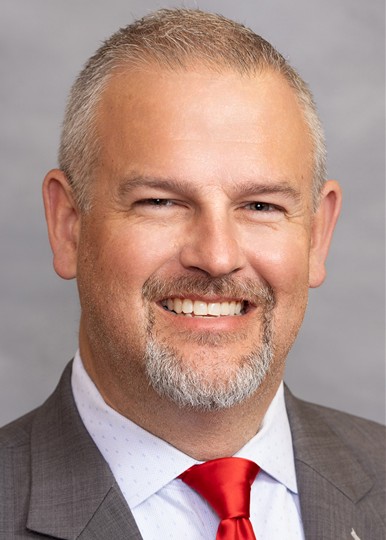
Todd Johnson
Senate · District 35
|
R |
Strong −
|
0% | 11 |
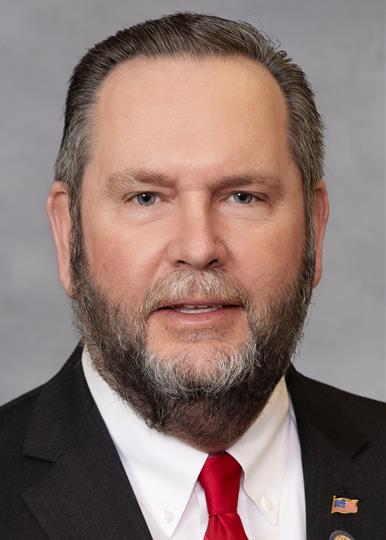
Alan Branson
House · District 59
|
R |
Strong −
|
0% | 9 |
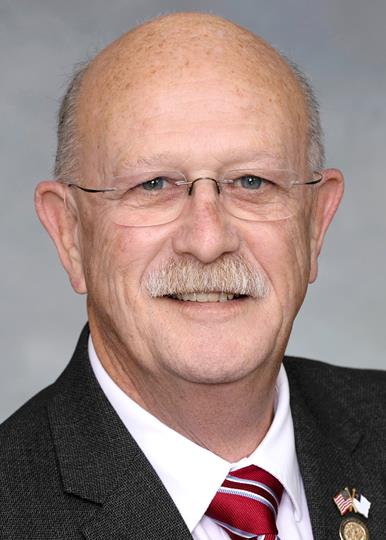
Bill Ward
House · District 5
|
R |
Strong −
|
0% | 9 |
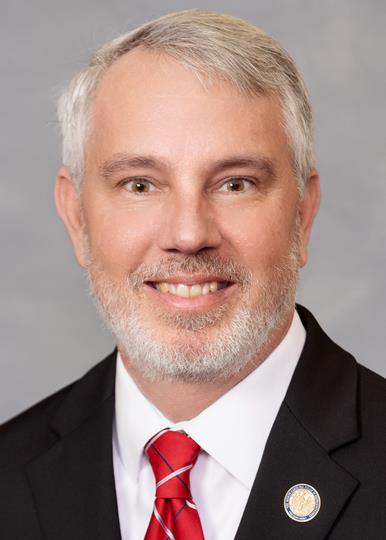
Blair Eddins
House · District 94
|
R |
Strong −
|
0% | 9 |
Showing 121–130 of 171
bills
All criminal justice bills
HB 216: Continuous Alcohol Monitoring Accessibility and Sustainability Act.
Topics
✓ Budget & TaxesSupports Budget & TaxesCreates 5-cent alcohol tax to fund court monitoring for low-income defendants, directing tax revenue to a public service program.
✓ Criminal JusticeSupports Criminal JusticeCreates fund via alcohol tax to provide court-ordered alcohol monitoring for low-income defendants, reducing financial barriers in DWI sentencing and promoting equitable access to alternatives to incarceration.
SB 129: Booking Photograph Privacy Act.
Topics
✓ Criminal JusticeSupports Criminal JusticeProtects arrestee privacy by restricting public release of booking photos, aligning with civil rights and reducing potential harm from unregulated law enforcement record disclosure.
✓ TechnologySupports TechnologyProhibits public release of booking photos, strengthening digital privacy protections for arrest records under data privacy framework.
HB 367: Provide Rape Kit Status Updates to Victims.
HB 446: Prohibition on Disclosing Booking Photographs.
Sub-Topics
Law Enforcement
SB 353: The Second Chance Coding Act.
Topics
✓ Budget & TaxesSupports Budget & TaxesAllocates $250,000 for juvenile coding program under appropriations/budgeting subjects, explicitly funding a public service initiative.
✓ Criminal JusticeSupports Criminal JusticeBill funds coding education for juveniles in correctional facilities to reduce recidivism, directly supporting rehabilitation-focused criminal justice reform.
✓ EducationSupports EducationFunds vocational coding program for juveniles in correctional facilities, expanding educational access and workforce readiness within education policy.
✓ Labor & EmploymentSupports Labor & EmploymentProvides vocational coding training with job placement for juvenile offenders, directly enhancing workforce readiness and employment opportunities through workforce connections and certification.
✓ TechnologySupports TechnologyFunds coding education and IT skills training for juveniles, directly advancing tech workforce development through vocational programs and industry certifications.
Sub-Topics
Juvenile Justice
Career & Technical Education
Professional Licensing
Workforce Development
SB 350: Marijuana Justice and Reinvestment Act.
Topics
✓ Budget & TaxesSupports Budget & TaxesBill includes excise taxes on cannabis sales with 'reinvestment' language, implying tax revenue funds community programs, aligning with fiscal support indicators.
✓ Criminal JusticeSupports Criminal JusticeLegalizes cannabis, removes criminal penalties for possession, and includes expungement of records - directly advancing criminal justice reform by reducing convictions and enabling record clearance.
SB 421: Prison Reform Omnibus.
Topics
✓ Criminal JusticeSupports Criminal JusticeBill mandates fair prison labor pay, vocational training for reentry, and prohibits displacing agricultural workers - directly advancing rehabilitation and reducing recidivism per criminal justice reform indicators.
✓ ImmigrationSupports ImmigrationProhibits prison labor from displacing migrant agricultural workers, protecting immigrant laborers' employment in agriculture.
Sub-Topics
Corrections
SB 564: Public Safety Through Food Access Act.
Sub-Topics
Drug Policy
SB 565: Investment in Pinetops' Police Department.
Topics
✓ Budget & TaxesSupports Budget & TaxesBill appropriates $150k annually and $100k one-time from state General Fund for Pinetops police staffing/equipment, directly increasing state funding for public safety services.
✓ Criminal JusticeSupports Criminal JusticeFunds police staffing and equipment for Pinetops, directly supporting law enforcement operations within criminal justice framework.