Issue · Budget & Taxes

Budget & Taxes

Every budget & taxes bill, vote, and legislator stance in North Carolina, automatically classified by Maddy, our AI policy reader.

Total bills
687
2025-2026 Session
Top supporter
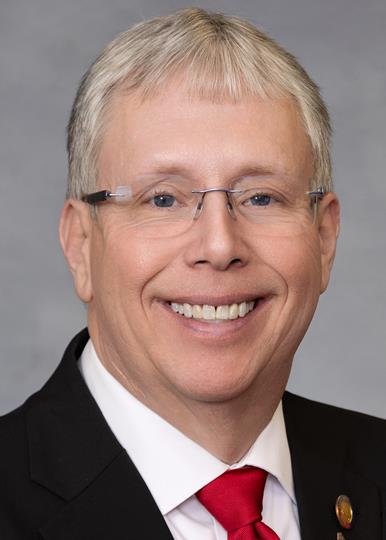
Mitchell Setzer
100% support rate
Top opponent
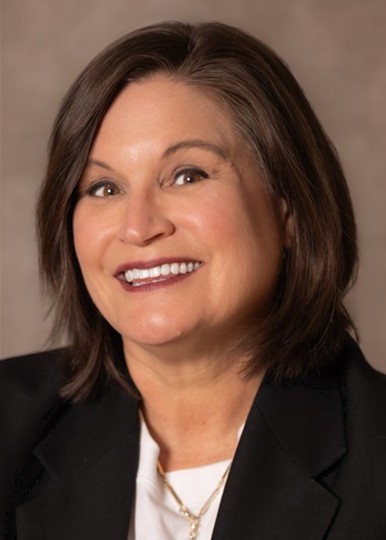
Amanda Cook
0% support rate
Ranked legislators
10
5 support · 5 oppose
Key legislators

Who's moving budget & taxes in North Carolina

Legislators moving budget & taxes in North Carolina
Legislator Party Stance Support rate Votes
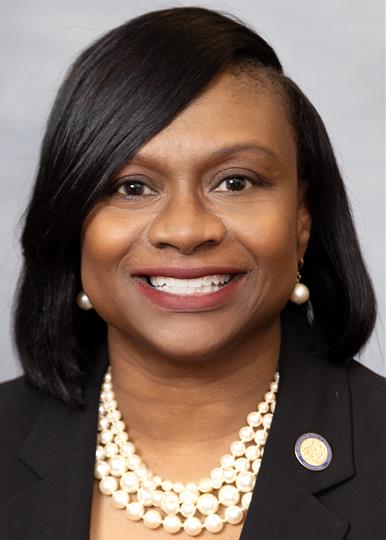
Mitchell Setzer
Mitchell Setzer House · District 89
R
Strong +
100% 52
Grant Campbell
Grant Campbell House · District 83
R
Strong +
100% 50
Anna Ferguson
Anna Ferguson House · District 119
R
Strong +
100% 20
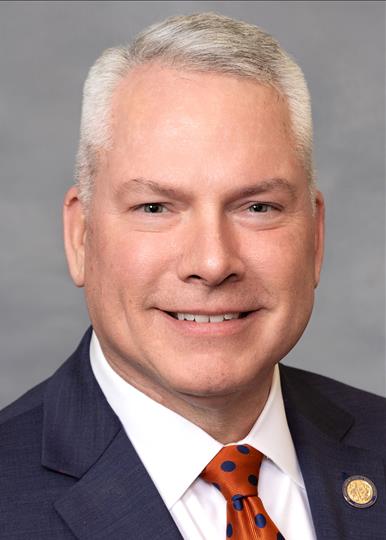
Tim Reeder
Tim Reeder House · District 9
R
Strong +
100% 51
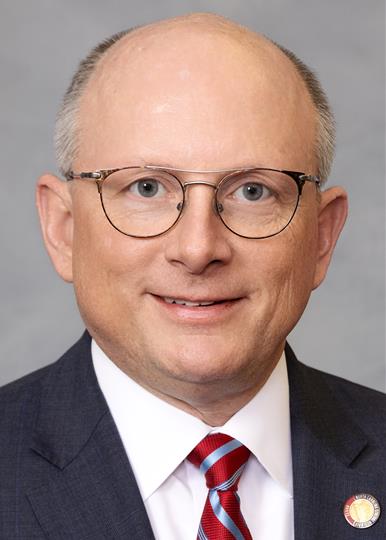
John Bell
John Bell House · District 10
R
Strong +
100% 50
Amanda Cook
Amanda Cook House · District 60
D
Strong −
0% 20
Monika Johnson-Hostler
Monika Johnson-Hostler House · District 33
D
Strong −
8% 52
Marcia Morey
Marcia Morey House · District 30
D
Strong −
8% 52
Phil Rubin
Phil Rubin House · District 40
D
Strong −
8% 51
Deb Butler
Deb Butler House · District 18
D
Strong −
8% 50
Showing 541–550 of 687 bills

All budget & taxes bills

in committee · North Carolina · House Feb 25, 2025

HB 180: Fiscally Responsible and Sustainable Budgeting.

HB 180 requires North Carolina's legislative and executive branches to collaborate annually on a long-term budget assessment covering at least five years. The bill mandates analyzing how to maintain current services amid inflation and population changes, the cost of new policies or court mandates, employee salary/benefit adjustments, and economic or federal funding shifts. This assessment must directly inform the Governor's annual budget message, which must include a five-year fiscal outlook for new or expanded programs. The law applies to all state budget planning starting with the next fiscal year, affecting how state agencies and the Governor project spending sustainability.
in committee · North Carolina · Senate Feb 26, 2025

SB 169: Labor Org. Membership Dues Tax Deductible.

This bill creates a new tax deduction for North Carolina taxpayers who pay labor organization membership dues. It allows individuals to deduct dues, fees, or assessments required for membership in a labor organization (as defined by state law) from their state taxable income. The deduction applies to payments made during taxable years beginning on or after January 1, 2026. This directly affects workers who are members of labor organizations and pay dues as a condition of membership.
in committee · North Carolina · House Feb 25, 2025

HB 178: Budgeting Accountability and Transparency.

HB 178 requires North Carolina's state agencies and legislators to make budget-related requests public once the annual budget bill passes, removing previous confidentiality for communications about funding provisions. It mandates a one-week public comment period with an online portal, at least one public hearing, and three nonvoting committee meetings for budget debate before final votes. The bill directly affects state agencies submitting budget requests, legislators receiving those requests, and the public, who gain access to previously confidential budget discussions. Key changes include requiring legislators to receive budget drafts five days before voting and treating all budget-related documents as public records after enactment.
Sub-Topics Audits & Accountability State Budget Tags Government Transparency
in committee · North Carolina · Senate Feb 25, 2025

SB 135: Expand Homestead Exclusion Inc. Elig. Limit.

This bill increases North Carolina's income limit for the property tax homestead exclusion for elderly or disabled homeowners from $25,000 to $48,000, effective for taxes due in 2025. It applies to qualifying homeowners whose income would otherwise disqualify them from the exclusion. The new limit will automatically adjust annually based on Social Security cost-of-living adjustments, rounded to the nearest $100. This change directly affects low-to-moderate-income elderly or disabled homeowners seeking property tax relief.
in committee · North Carolina · Senate Feb 25, 2025

SB 143: Disabled Veteran Property Tax Exemption.

SB 143 expands North Carolina's property tax exemption for disabled veterans by increasing the excluded value from the previous amount to $45,000 of a home's appraised value. It applies to veterans who own and occupy their permanent residence as their primary home, excluding this amount from property taxes. The bill prohibits qualifying veterans from using this exemption alongside other property tax relief programs. This change takes effect for property taxes due on or after July 1, 2025.
died · North Carolina · Senate Feb 24, 2025

SB 134: Inclusionary Zoning/Workforce Housing Funds.

SB 134 allows North Carolina local governments to require new residential developments to include affordable housing units through inclusionary zoning policies. It directly affects local zoning authorities, developers building new housing, and low-to-moderate income residents who would benefit from increased affordable housing options. The bill also appropriates $10 million in recurring funds to the North Carolina Housing Finance Agency for its Workforce Housing Loan Program starting in 2025. These provisions aim to supplement affordable housing availability by giving local governments tools to mandate inclusionary requirements and providing dedicated funding for housing loans. The bill takes effect on July 1, 2025.
in committee · North Carolina · Senate Feb 26, 2025

SB 159: Elderly Prop. Tax Appreciation Exclusion.

SB 159 creates a property tax relief program for North Carolina seniors aged 65+ who own and occupy their primary residence for at least five consecutive years. It allows qualifying owners to defer taxes on increases in their home's appraised value above the "qualifying value" (the value when first applying for relief), freezing tax increases on appreciation. The deferral ends if the owner sells the home, dies (unless inherited by a spouse or co-owner who continues living there), or stops using it as a primary residence. This program applies to taxes for 2026 and beyond, with applications accepted through June 1 each year.
Sub-Topics Property Tax
in committee · North Carolina · Senate Feb 27, 2025

SB 178: Assessment of Self-Storage Facilities.

SB 178 modifies how self-storage facilities are taxed in North Carolina by changing the property assessment standard. It excludes "business intangible value" (such as future profits or brand value) from the taxable assessment, requiring counties to base taxes only on the land and depreciated improvements. This directly affects self-storage facility owners, as their property taxes will now be calculated differently starting in 2026. The bill updates existing tax law to align with a specific definition of self-storage facilities from state code.
Sub-Topics Property Tax
in committee · North Carolina · House Mar 4, 2025

HB 142: Implement Zero-Based Budgeting.

HB 142 requires North Carolina state agencies to adopt zero-based budgeting for the 2031-2033 fiscal biennium, starting with a phased implementation beginning July 1, 2027. This means agencies must justify every funding request from scratch each budget cycle - starting with a $0 baseline - rather than carrying over previous appropriations. Agencies must submit detailed justifications for each budget item, including explanations of their functions, performance data, and goals. The bill directly affects all state agencies in the executive branch, requiring them to re-evaluate all programs and costs annually. The full zero-based budget will apply to the entire state budget starting in 2031-2033.
in committee · North Carolina · Senate Mar 3, 2025

SB 211: Reenact the Earned Income Tax Credit.

SB 211 reenacts North Carolina's state Earned Income Tax Credit (EITC), providing a cash refund to low-to-moderate income workers. It allows eligible residents to claim a credit equal to 5% of the federal EITC amount they qualify for, which is refundable (meaning they receive a cash payment even if they owe no state tax). The credit applies to taxable years beginning on or after January 1, 2025, and directly benefits working individuals and families with low earnings. The bill reinstates a previously sunsetted provision, ensuring continued state-level support aligned with the federal EITC.
Sub-Topics Income Tax Tax Credits
Showing 541 to 550 of 687 bills
Previous 1 54 55 56 69 Next