

Establishes the New York State social housing development authority as a public benefit corporation to increase the supply of permanently affordable housing in the state through the acquisition of land and renovation or rehabilitation of existing real property, and through the construction of new, permanently affordable housing.
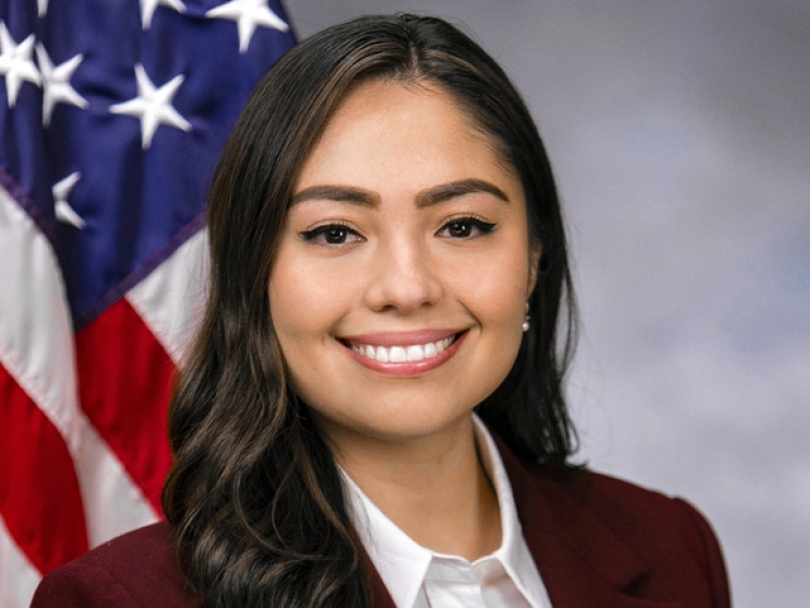
Sen. Kristen Gonzalez
Sponsored bills
Maddy summaryBill S 2240 removes the lifetime ban that prevents individuals with felony convictions from serving on a jury. It amends existing judiciary law to eliminate the automatic disqualification for past felony convictions. However, the bill clarifies that anyone currently serving a term of incarceration for a felony would still be excused from jury service while incarcerated. This change allows eligible citizens who have completed their sentences to participate in jury duty.
Maddy summaryThis bill creates a New York State 1332 innovation program under a federal waiver, providing health insurance coverage for New Yorkers under age 65 with household incomes between 133% and 250% of the federal poverty level who don't qualify for Medicaid or employer-sponsored insurance. It requires coverage for essential health services, including access to cancer centers (at Medicaid reimbursement rates), dental, vision, and support for chronic illnesses. Eligibility excludes those eligible for Medicaid, the Child Health Insurance Program, or affordable employer coverage. The program is subject to federal approval and aims to fill coverage gaps for this specific income group.
Requires the installation of intelligent speed assistance devices if a driver accumulates eleven or more points on their driving record during a 24 month period, or receives 6 speed camera or red light camera tickets during a twelve month period.
Sets reimbursement rates for essential safety net hospitals at no less than regional average commercial rates for health care services provided by all hospitals in the same geographic region.
Withholds the governor's salary until the legislative passage of the budget occurs; provides such salary should be withheld if the budget has not passed prior to the first day of the fiscal year and shall not be paid until such passage occurs.
Establishes the New York workforce stabilization act; requires certain businesses to conduct artificial intelligence impact assessments on the application and use of such artificial intelligence and to submit such impact assessments to the department of labor prior to the implementation of the artificial intelligence; establishes a surcharge on certain corporations that use artificial intelligence or data mining or have greater than a threshold number of employees displaced by artificial intelligence of a rate of 2% of the corporation's business income base; defines data mining.
Repeals the rebates for stock transfer tax paid; dedicates funds of the stock transfer tax fund and stock transfer incentive fund to various funds; establishes the safe water and infrastructure action program.
Maddy summaryThis bill, known as "the prison wage act," mandates compensation for incarcerated individuals performing labor in state and local correctional facilities. It requires that these individuals be paid at least one-half of the state's minimum wage for any work performed or for which a wage would typically be due. This compensation applies to various types of labor, including general facility work, tasks for nonprofit organizations, and participation in work release programs. Additionally, hourly incentive allowances for educational and training programs must also meet this minimum wage standard.
Maddy summaryBill S 1189 establishes new licensure requirements for entities providing fiscal intermediary services for personal assistance programs. Beginning April 1, 2027, these fiscal intermediaries must obtain a license from the commissioner, a process that includes an application fee and an assessment of their character, competence, and compliance. The bill also broadens the definition of fiscal intermediaries, modifies their annual reporting obligations, and creates a confidential state registry for personal assistants that these intermediaries must maintain. This legislation directly affects fiscal intermediaries, personal assistants, and consumers utilizing these services.