

Prohibits the use of aversive conditioning which includes any procedure which causes obvious signs of physical pain, including but not limited to hitting, pinching and electric shock; prohibits the use of any procedure or punishment which denies a vulnerable person reasonable sleep, shelter, bedding, bathroom facilities and any other aspect expected of a humane existence; defines terms.
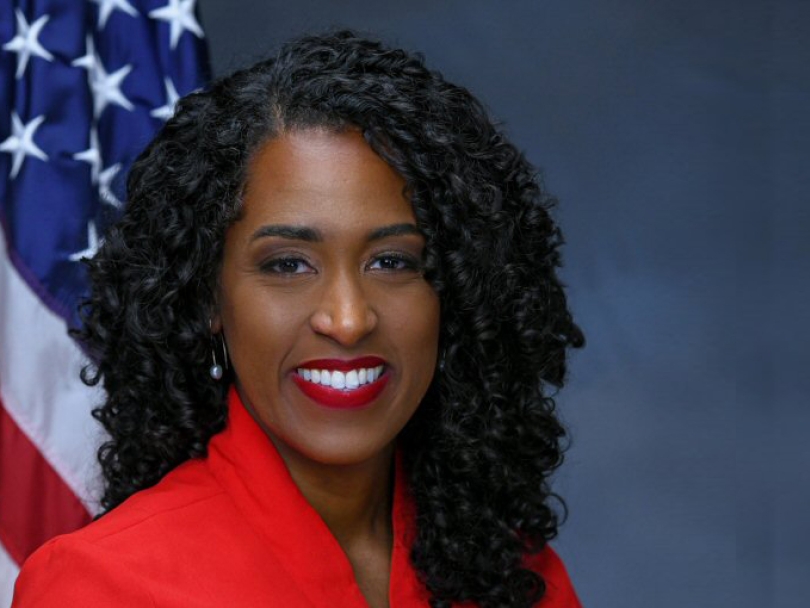
Sen. Samra Brouk
Sponsored bills
Establishes the "New York public banking act"; authorizes municipal and other local governments to form and control public banks through the ownership of capital stock or other ownership interests, and to loan or grant public funds or lend public credit to such public banks for the public purposes of achieving cost savings, strengthening local economies, supporting community economic development, and addressing infrastructure and housing needs for localities.
Establishes the New York State social housing development authority as a public benefit corporation to increase the supply of permanently affordable housing in the state through the acquisition of land and renovation or rehabilitation of existing real property, and through the construction of new, permanently affordable housing.
Maddy summaryBill S 2240 removes the lifetime ban that prevents individuals with felony convictions from serving on a jury. It amends existing judiciary law to eliminate the automatic disqualification for past felony convictions. However, the bill clarifies that anyone currently serving a term of incarceration for a felony would still be excused from jury service while incarcerated. This change allows eligible citizens who have completed their sentences to participate in jury duty.
Provides for loan forgiveness for social workers who commit to work in counties with less than two hundred thousand population, or towns which have a population of less than one hundred fifty persons per square mile for the duration of the award.
Maddy summaryThis bill creates a New York State 1332 innovation program under a federal waiver, providing health insurance coverage for New Yorkers under age 65 with household incomes between 133% and 250% of the federal poverty level who don't qualify for Medicaid or employer-sponsored insurance. It requires coverage for essential health services, including access to cancer centers (at Medicaid reimbursement rates), dental, vision, and support for chronic illnesses. Eligibility excludes those eligible for Medicaid, the Child Health Insurance Program, or affordable employer coverage. The program is subject to federal approval and aims to fill coverage gaps for this specific income group.
Requires the installation of intelligent speed assistance devices if a driver accumulates eleven or more points on their driving record during a 24 month period, or receives 6 speed camera or red light camera tickets during a twelve month period.
Enacts the climate and community investment act; prioritizes the allocation of public investments in disadvantaged communities; addresses climate change challenges through the expansion and growth of clean and renewable energy sources; adopts best value requirements for the solicitation, evaluation and award of renewable energy projects; establishes a community just transition program; establishes a climate pollution fee and a household and small business energy rebate; creates the climate and community investment authority.
Maddy summaryThis bill, known as "the prison wage act," mandates compensation for incarcerated individuals performing labor in state and local correctional facilities. It requires that these individuals be paid at least one-half of the state's minimum wage for any work performed or for which a wage would typically be due. This compensation applies to various types of labor, including general facility work, tasks for nonprofit organizations, and participation in work release programs. Additionally, hourly incentive allowances for educational and training programs must also meet this minimum wage standard.
Maddy summaryBill S 1189 establishes new licensure requirements for entities providing fiscal intermediary services for personal assistance programs. Beginning April 1, 2027, these fiscal intermediaries must obtain a license from the commissioner, a process that includes an application fee and an assessment of their character, competence, and compliance. The bill also broadens the definition of fiscal intermediaries, modifies their annual reporting obligations, and creates a confidential state registry for personal assistants that these intermediaries must maintain. This legislation directly affects fiscal intermediaries, personal assistants, and consumers utilizing these services.