

Enacts into law components of legislation that relate to live event ticket sales; establishes an annual professional reseller renewal fee; requires professional ticket resellers to provide their New York state ticket reseller license number as a condition of utilizing an online resale marketplace to resell tickets (Part A); provides criteria for when a purchaser may obtain a full refund of the amount paid for a ticket (Part B); relates to resale requirements for tickets; requires that if a licensee or other ticket reseller doesn't have possession of the ticket, then they shall have a written contract to obtain the offered ticket at a certain price from a person or entity in possession of the ticket or from a person or entity who has a contractual right to obtain such ticket, and tickets to the event have been placed on sale by the venue or entity hosting the event or its authorized agent before the licensee or reseller can advertise the sale of the tickets (Part C); relates to unlawful charges in connection with tickets; permits reasonable charges for costs actually rendered or otherwise in connection to customer support, technological and software infrastructure, and actual operational costs for sales away from the box office; defines terms (Part D); relates to the availability of tickets for sale to the general public; defines a term (Part E); relates to paperless ticketing systems options (Part F); extends the effectiveness of certain provisions relating to tickets to places of entertainment (Part G).
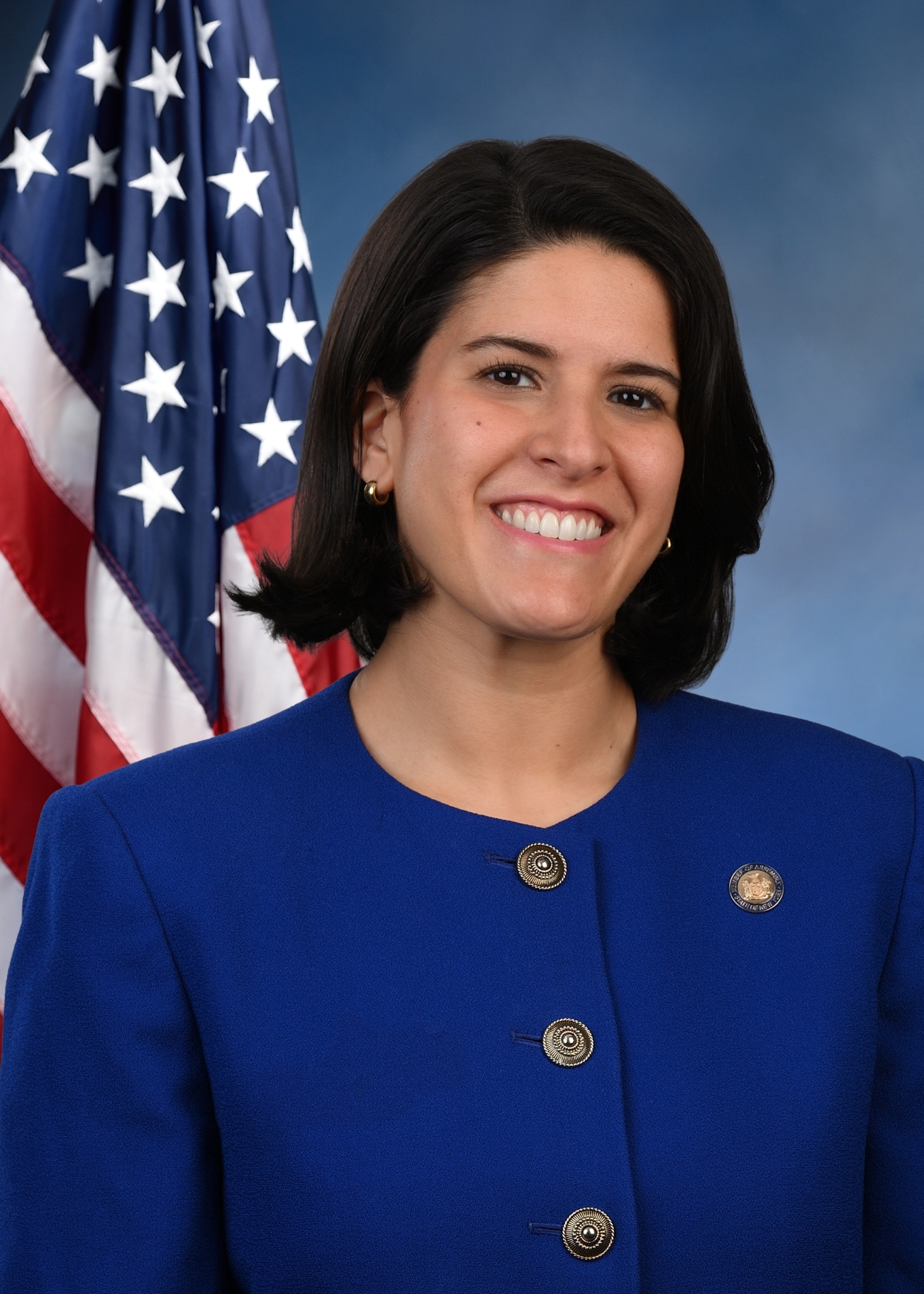
Sen. Pat Fahy
Sponsored bills
Maddy summarySenate Bill S 1665 updates the rules for vehicle operators when overtaking bicyclists and pedestrians in New York State. Outside of New York City, drivers passing a bicycle must now use "due care," which includes moving to an adjacent lane if safe, or passing at least three feet away. Similar "due care" requirements are also established for drivers passing pedestrians in these areas. For New York City, the bill retains the existing rule for drivers to pass bicycles at a safe distance and does not introduce specific new provisions for passing pedestrians.
Maddy summaryThis bill updates how New York state calculates payment rates for residential health care facilities (like nursing homes) that provide long-term care. It requires the state to adjust rates annually based on current operating costs, with mandatory updates by April 2026 and every five years after, using the most recent cost data. Certain specialized facilities (such as those for children, ventilator-dependent patients, or behavioral health) retain historical rates adjusted for inflation, while others transition to the new cost-based system over a minimum four-year period. The bill also mandates a workgroup of experts to advise on rate-setting methodology and includes provisions for quality improvement funding.
Requires the New York state bridge authority, the Thousand Islands bridge authority, the Nassau county bridge authority, the Ogdensburg bridge authority, and the New York state thruway authority to develop a feasibility study to promote bicycle and pedestrian access on bridges and provide a report to the governor, temporary president of the senate, speaker of the assembly, and the public a copy of such plan.
Relates to fair pricing for low-complexity, routine medical care to more closely align payment rates across ambulatory settings for selected services that are safe and appropriate to provide in all settings.
Directs the independent developmental disability ombudsperson program to establish a service delivery structure based in New York state that includes a toll-free telephone hotline, an interactive website, and availability of in-person, telephone and email access to ombudsperson program staff or volunteers; to provide assistance for navigating and completing processes; to assist individuals in filing and preparing appeals; to assist individuals with any problems encountered; and to educate individuals on their rights and responsibilities with respect to access to services provided by the office for people with developmental disabilities and care coordination provided by health homes serving individuals with developmental disabilities or services provided by other providers.
Establishes the "blue-ribbon commission on the future of New York state's service delivery system for individuals with intellectual and developmental disabilities act" to conduct a study and prepare a report to examine, evaluate and make recommendations for systemic reforms to ensure a sustainable set of supports and services that meets the evolving needs of all individuals with intellectual and developmental disabilities; provides for the repeal of such provisions upon expiration thereof.
Requires the department of environmental conservation and the department of health, owners or operators of public water systems, and owners or operators of buildings to take actions to prevent and control waterborne pathogens including legionella from source-to-tap.
Maddy summaryThis bill, known as the Dark Skies Protection Act, establishes state regulations to reduce outdoor light pollution by requiring most outdoor lighting fixtures to be shielded so light is directed downward rather than upward. The law applies to residential, commercial, industrial, and municipal buildings and structures, with specific restrictions on recreational facilities that prohibit illumination between 11 p.m. and 5 a.m. except for certain events. Several exemptions exist for essential lighting such as airport navigation, worker safety, emergency services, and low-wattage decorative lighting. Municipalities that already have stricter local ordinances on light pollution are exempt from these state requirements, and the state department will provide educational materials to help property owners comply.
Maddy summaryThis bill, known as the Medical Psilocybin Act, would create a regulated program allowing the use of psilocybin, a compound found in certain mushrooms, to treat specific medical conditions. It directly affects qualified patients diagnosed with issues such as treatment-resistant depression, post-traumatic stress disorder, substance use disorders, end-of-life care, or cluster headaches, as well as healthcare providers and businesses that produce or administer the substance. The legislation establishes a framework where licensed producers grow and prepare the medication, while licensed healthcare providers or trained supervisors determine appropriate dosing and oversee its administration in safe settings. Key provisions include creating a registry for patients and caregivers, setting strict safety and testing requirements for products, and providing exemptions from criminal penalties for the legal medical use and possession of psilocybin. The bill also mandates that the Department of Health develop detailed rules for licensing, training, recordkeeping, and monitoring to ensure the program operates safely and effectively.