

Relates to the packaging of cannabis and industrial hemp products; requires the cannabis control board to develop strategic plans detailing the packaging and labeling requirements to be used prior to the retail sale of any cannabis or cannabis product; establishes a sustainable cannabis packaging incubator program.
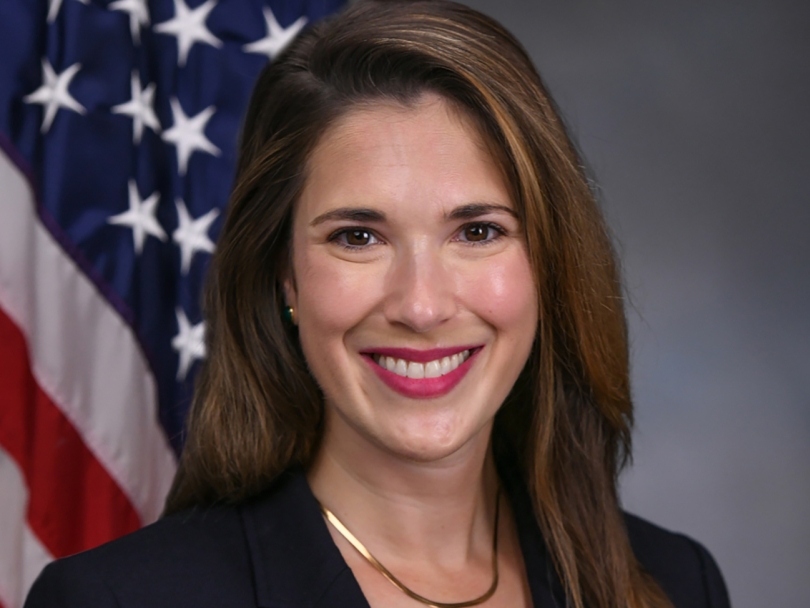
Sen. Michelle Hinchey
Sponsored bills
Relates to an increase in punishment for certain actions against on-duty auxiliary police officers such as criminally negligent homicide, assault or menacing of such officer.
Enacts the "faith-based affordable housing act" for development on residential land; defines terms; provides that each village, town, and city shall allow the construction and occupation of residential buildings on any covered site up to the specified densities; provides that all residential buildings constructed pursuant to this section in a town, village, or city with fewer than one million inhabitants shall set aside twenty percent of the residential floor area for households earning an average of eighty percent of area median income; outlines the densities for New York city; makes related provisions.
Relates to school climate and codes of conduct on school property and disciplinary action following violation of such codes of conduct; makes conforming amendments.
Maddy summaryS 861 establishes a New York state program allowing residents to pay off college debt for family members tax-free. It creates tax-deferred accounts where contributions grow without state or federal income tax, and withdrawals for qualified education expenses (like tuition, books, or 2009-2010 computer purchases) are also tax-free. The program requires cash contributions, separate accounting per beneficiary, and limits investment changes to twice yearly. It directly affects New York residents who want to help family members (spouses, children, or cousins) with higher education costs through this state-run debt repayment mechanism.
Maddy summaryThis bill increases residential solar tax credits by raising the credit rate to 26% of qualified solar equipment costs. It sets new annual credit limits: $3,750 for systems installed before 2026, $5,000 for 2026-2025, and $10,000 for systems installed on or after January 1, 2026. The credit applies to homeowners who install qualifying solar systems (including equipment for heating, cooling, hot water, or electricity) at their primary residence, covering equipment purchases, installation, and certain lease agreements. Low-income taxpayers and those in disadvantaged communities may receive refunds for excess credits starting in 2026, rather than carrying them forward. The policy directly affects residential property owners installing solar energy systems in the state.
Establishes the Hudson Valley power authority to own and operate electricity service and to create or acquire one or more wholly owned subsidiaries or membership interests in subsidiaries; establishes energy observatory corporations for studying and enabling effective community governance of power authorities; makes related provisions.
Maddy summaryBill S 7617, known as the "Safer Consumption Services Act," allows the Department of Health to approve entities to establish overdose prevention center programs. These programs provide hygienic spaces for individuals to consume preobtained drugs, staffed by healthcare professionals or trained personnel. They offer sterile supplies, overdose prevention education, administer first aid, and provide referrals to substance use disorder treatment and other services. The bill grants immunity from criminal, civil, or administrative penalties to participants, program staff, and property owners solely for their good faith involvement in an approved program.
Establishes a farm-to-school food service reimbursement program for school districts which have purchased at least thirty percent of their total food products, including both dairy and non-dairy products, for their food service programs from New York state farmers, growers, producers or processors, based upon the number of federally reimbursable meals served to students under such program agreements entered into by the commissioner and such districts.
Requires utility companies to reimburse consumers for spoilage of food and medication due to the lack of refrigeration in the event of a power outage lasting seventy-two hours or more.