

Maddy summaryNew York State bill S 9094 bans the use, sale, distribution, and purchase of all pesticides containing paraquat dichloride or its chemical forms (identified by CAS numbers 4685-14-7, 1910-42-5, and 2074-50-2). The law directly affects farmers, agricultural businesses, and anyone using paraquat-based herbicides in New York. It takes effect January 1, 2027, prohibiting all paraquat products after this date. The bill cites scientific evidence linking paraquat exposure to increased risks of Parkinson's disease and certain cancers, following the EPA's ongoing review of the chemical.
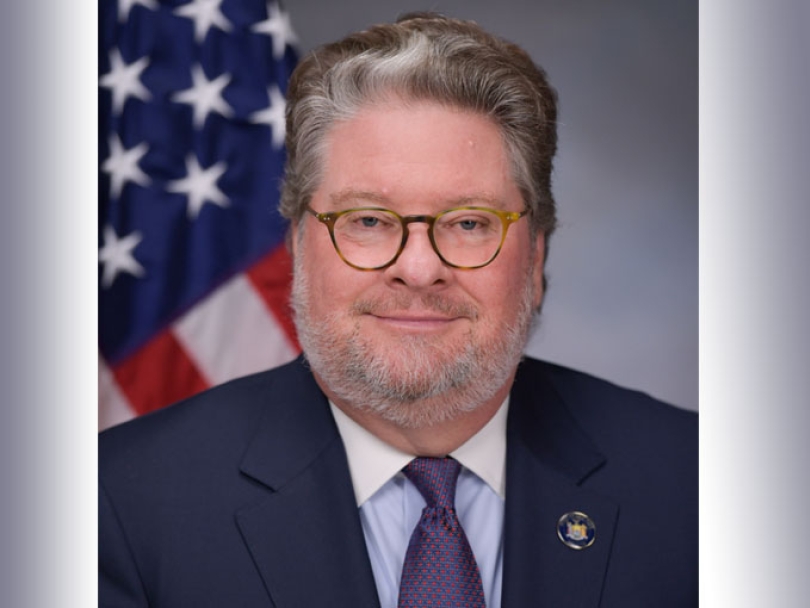
Sen. Pete Harckham
Sponsored bills
Maddy summaryBill S 5565 requires health insurance policies, including comprehensive-type coverage, and Medicaid to cover patient navigation services. This coverage is for individuals facing serious health conditions expected to last at least three months, who are at high risk for outcomes like hospitalization or physical decline. Patient navigation services include screening for nonclinical needs such as transportation or housing, connecting individuals to support services, and assisting with healthcare appointments. Reimbursement is provided to trained and certified patient navigators who work under the general supervision of a licensed healthcare provider.
Maddy summaryThis bill requires most health insurance plans in New York to cover prescribed early egg and peanut allergen introduction dietary supplements for infants at no cost to patients. It mandates coverage for both supplements - each containing infant-safe, well-cooked protein - to reduce food allergy risk, as prescribed by licensed healthcare providers. The law applies to individual and group health insurance policies (excluding Medicare supplements, catastrophic plans, and high-deductible plans under specific federal rules), eliminating deductibles and copays for these specific supplements. It directly affects infants under one year whose doctors recommend these supplements as part of allergy prevention.
Prohibits public employers from diminishing health insurance benefits provided to Medicare-eligible retirees and their Medicare-eligible dependents or the contributions such employer makes for such health insurance coverage below the level of such benefits or contributions made on behalf of such retirees and dependents by the public employer as of December 31, 2021.
Relates to strengthening of utility storm response and compliance by reviewing mitigating factors including but not limited to mitigating factors and the specifics surrounding the violation or violations.
Relates to the topics of the course required to be taken by practitioners certifying patients as eligible for medical cannabis; establishes the endocannabinoid system awareness program; requires the office of cannabis awareness and the department of health to publish information about the endocannabinoid system awareness program on their websites.
Maddy summaryThis bill directs New York's state education commissioner to study recess practices in public and charter schools for kindergarten through sixth grade. The study will survey schools on key details like how many offer recess, its duration and frequency, whether it's indoors or outdoors, supervision levels, barriers to providing it, and if it includes both structured and unstructured play time. The commissioner must submit a report by December 31, 2025, to state officials and publish it online. This is a data-gathering measure with no immediate policy changes; it simply requires a comprehensive review of current recess policies in elementary schools.
Provides for the inclusion of a faculty or staff member on the board of trustees of community colleges elected by and from among the faculty and staff of the college.
Relates to parole eligibility for certain incarcerated persons age fifty-five or older if they have served at least fifteen years of their sentence or sentences.
Enacts the "Empowering People in Rights Enforcement (EMPIRE) Worker Protection Act"; relates to the delegation of state enforcement authority to private actors; authorizes an affected employee, whistleblower, representative organization or an organizational deputy to initiate a public enforcement action on behalf of the commissioner for certain provisions of the labor law, or any regulation promulgated thereunder.