

Relates to motions to vacate judgment; authorizes filing motions to vacate judgment due to a change in law; authorizes motions to vacate judgment to be filed at any time after entry of a judgment obtained at trial or by plea; relates to the requirements of discovery.
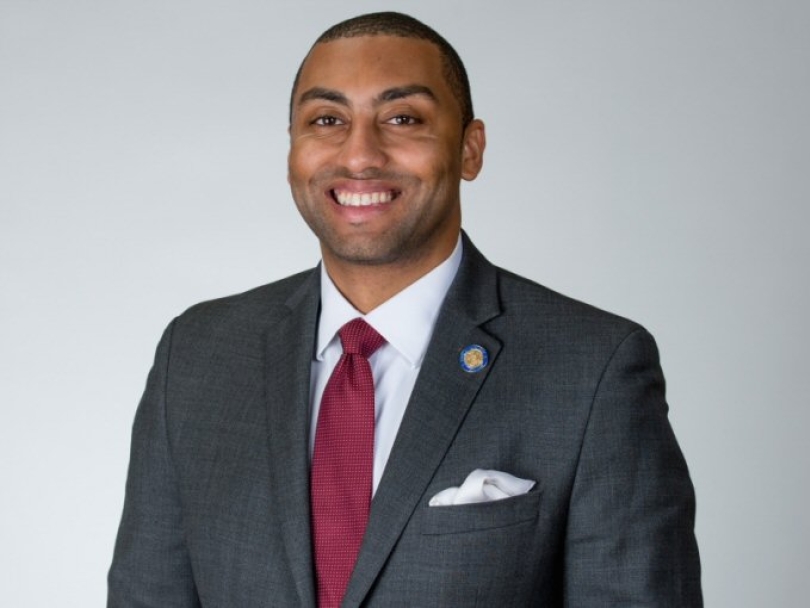
Sen. Jamaal Bailey
Sponsored bills
Maddy summaryThis bill defines "blighted properties" and "blighted areas" in New York's eminent domain law to prevent misuse. It creates specific criteria for declaring property blighted, including structural hazards, tax delinquency exceeding property value, environmental contamination requiring remediation, and persistent criminal activity. The law requires objective standards - such as structural unsoundness, lack of utilities, or owner failure to address violations after notice - before property can be deemed blighted. This directly affects property owners, developers, and local governments by setting clear, enforceable rules for eminent domain actions.
Provides that penalties may be levied against a person who intentionally withholds a housing accommodation from the market, including for the purpose of future co-operative conversion.
Allows municipal commissions to use alternate lists for filling vacancies with resident and non-resident minority group members and women in order to achieve diversity in police departments.
Provides final discipline authority over civilian complaints to the civilian complaint review board; creates a hearing officer and adjudicative body for such complaint review board.
Authorizes the department of public service to develop, implement, administer and operate a temporary middle income home energy assistance program; makes an appropriation therefor.
Establishes a temporary commission to examine and review the degree and effect of segregation in primary and secondary schools and any correlation with school funding and the long-term impact of inadequate education on segregated students.
Maddy summaryThis bill (S 6155) modifies New York's Excelsior Scholarship program to help current recipients maintain eligibility as their income grows. It allows the maximum allowable adjusted gross income threshold to increase by up to 3% annually after the first semester of receiving the scholarship, rather than requiring students to stay below a fixed income limit. The state education corporation (the "corporation") will review and determine if this annual 3% increase (or further increases at its discretion) prevents disqualification due to rising household income. This directly affects undergraduate students at New York state public colleges who currently receive the Excelsior Scholarship and experience typical annual income growth.
Establishes the New York Health program, a comprehensive system of access to health insurance for New York state residents; provides for administrative structure of the plan; provides for powers and duties of the board of trustees, the scope of benefits, payment methodologies and care coordination; establishes the New York Health Trust Fund which would hold monies from a variety of sources to be used solely to finance the plan; enacts provisions relating to financing of New York Health, including a payroll assessment, similar to the Medicare tax; establishes a temporary commission on implementation of the plan; provides for collective negotiations by health care providers with New York Health.
Maddy summaryThis bill prohibits health insurance carriers and vision care plans from restricting optometrists' choice of suppliers for covered materials like eyeglasses, contact lenses, and frames. It directly affects optometrists (licensed eye care professionals) and vision plans by banning contract terms that force them to use specific labs or vendors for patient supplies. The key provision requires that optometrists can select their own sources for materials and labs without insurance plan interference, covering items such as lenses, frames, and medical eye devices. This creates a clear policy change in how vision care reimbursement arrangements operate.