

Provides for the revocation of licenses to sell cigarettes, tobacco products, alcohol and lottery tickets for the possession or sale of illicit cannabis in violation of the cannabis law.
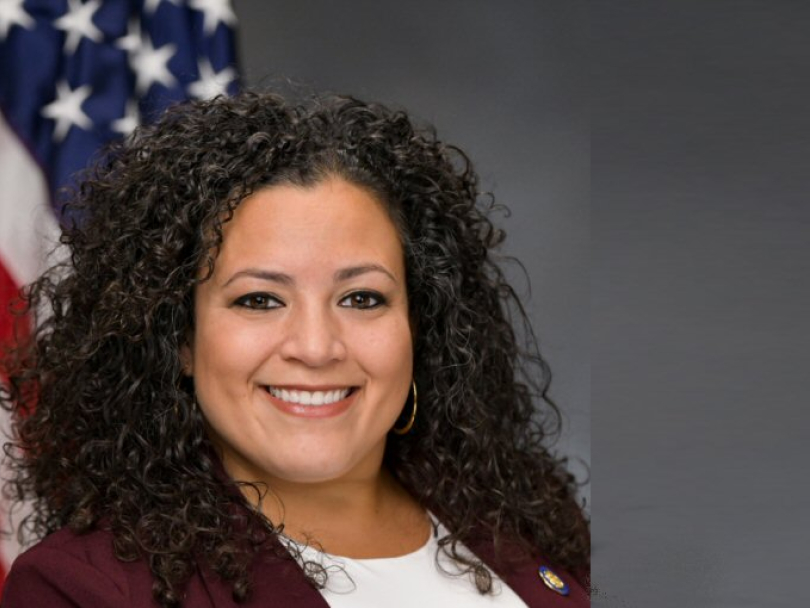
Sen. Nathalia Fernández
Sponsored bills
Maddy summaryBill S 7764 directs the Metropolitan Transportation Authority (MTA) to rename the Utica Avenue subway station on the A and C lines to the Malcolm X Boulevard/Utica Avenue station. This renaming will occur once sufficient funds have been specifically committed for this purpose, and the MTA will then update all relevant signs and materials to reflect the new name.
Maddy summaryS 2429 creates a New York state tax credit for employers who hire residents from targeted groups (like veterans, ex-offenders, or long-term unemployed individuals) as defined by federal law. Employers can claim up to $500 per eligible employee annually, with a total lifetime cap of $90 million and an annual limit of $30 million. The credit reduces state tax liability but cannot lower tax below minimum thresholds, and any unused credit is treated as an overpayment. The program applies to wages paid starting January 1, 2026, and expires December 31, 2028. It directly affects New York employers hiring from specified target populations.
Provides for increased participation in state contracts and subcontracts by certified minority and women-owned business enterprises; relates to certain performance and payment bond requirements.
Maddy summaryThis bill designates February 21st each year as "Mother Language Day" for commemoration purposes. It adds this date to the existing list of official commemorative days in New York State, alongside other observances like Holocaust Remembrance Day and Juneteenth. The bill does not create new policies, funding, or obligations; it simply formally recognizes this day for public commemoration. As a procedural designation bill, it affects no specific groups or programs beyond adding a date to the state's calendar of recognized observances.
Maddy summaryThis bill makes it a crime to intentionally stage a construction site accident to file a fraudulent insurance claim. It specifically targets individuals who enter a construction site to create or arrange an accident, or who direct others to do so, with the intent to submit a false insurance claim. The offense is classified as a class E felony, punishable by up to four years in prison. This law directly affects construction workers, contractors, or others involved in insurance claims who might attempt to fabricate accidents for financial gain.
Requires health insurance policies to offer full coverage for annual testing for ovarian cancer; requires certain health care providers offer annual testing for ovarian cancer.
Relates to the assessment of extraordinary needs count for purposes of the apportionment of public moneys to school districts employing eight or more teachers; defines count of homeless children and children or youth in foster care.
Maddy summaryThis bill amends New York's mental hygiene law to add fetal alcohol spectrum disorders (FASD), including fetal alcohol syndrome (FAS), partial FAS (pFAS), and alcohol-related neurodevelopmental disorder (ARND), to the official definition of developmental disability. It directly affects individuals with FASD who meet specific criteria: being over age seven, having a qualified medical diagnosis, experiencing symptoms before age 22, having a condition expected to continue indefinitely, and facing significant challenges in daily living activities. The key mechanism is expanding eligibility for developmental disability services to include these FASD diagnoses under existing law. This change ensures individuals with FASD can access support programs and services previously available only to those with other qualifying conditions.
Maddy summaryThis bill creates a new enforcement mechanism allowing certain workers, whistleblowers, or labor organizations to file public lawsuits on behalf of New York's labor department to address violations of specific labor laws. It enables private parties to initiate enforcement actions for issues like unpaid wages or misclassification (covered under Articles 5, 6, 9, 19, 19-A, 19-B, and 25-A), with civil penalties collected going to the state treasury. The law aims to supplement limited public enforcement resources by empowering workers and organizations to act as "private attorneys general" while protecting whistleblowers from retaliation. It explicitly excludes government agencies as targets and applies only to violations covered by designated labor law sections.