

Provides that the term "landlord" when used in the real property law, shall not include or apply to any corporation, entity or organization, hereinafter known as a "cooperative entity" that is or is operating for the purpose of providing housing and/or residences for its shareholders by leasing or subleasing to such shareholders, under proprietary leases or occupancy agreements or subleases of such leases or occupancy agreements of apartments or residences in the buildings or premises owned by such cooperative entities; makes related provisions for the term "tenant".
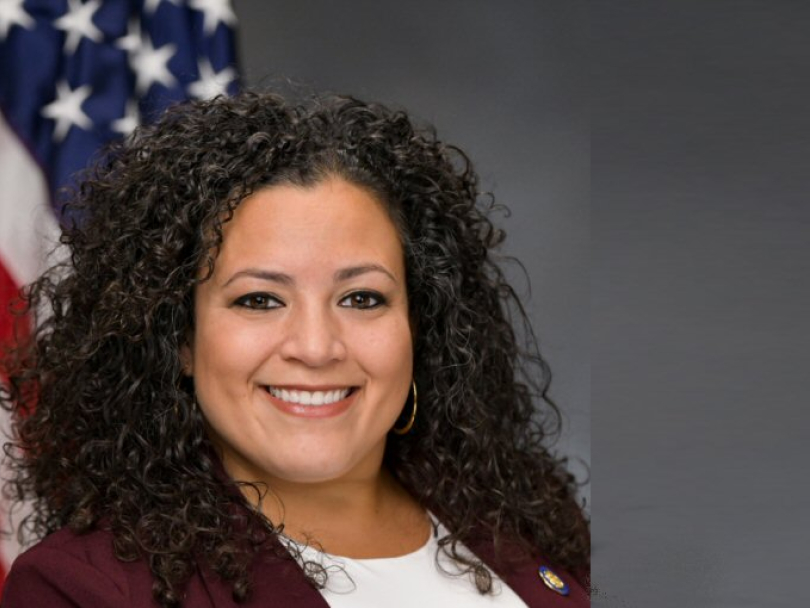
Sen. Nathalia Fernández
Sponsored bills
Relates to the confidentiality and expungement of records in juvenile delinquency cases in the family court; requires certain records to be expunged automatically.
Maddy summaryS 1818 designates March 31st as "Vaping Awareness Day" in New York State. This procedural bill adds the date to the state's official list of commemorative days, which already includes observances like Holocaust Remembrance Day and Juneteenth. The bill does not create new regulations, funding, or obligations - it solely establishes a symbolic day for public awareness. It affects no specific individuals or groups through policy changes, as it is purely a recognition measure. The designation takes effect immediately upon enactment.
Establishes the New York COVID-19 children's fund program to provide assistance to children whose parent, custodian, legal guardian, or related adult household member died as a result of contracting COVID-19, regardless of immigration status of such children.
Maddy summaryThis bill restricts health care employers from requiring nurses or health care workers (excluding doctors, residents, and security staff) to work more than their regularly scheduled hours, except in specific emergencies or during ongoing surgical procedures. It defines "regularly scheduled work hours" to include pre-scheduled on-call time and shift report communication, and prohibits using on-call time as a substitute for mandatory overtime. Exceptions include health care disasters, official emergency declarations, unanticipated staffing emergencies, or procedures requiring continuous presence for patient safety. The law aims to protect patient care quality by limiting excessive work hours, without affecting existing rights under other laws or collective bargaining agreements.
Adds to the crime of public lewdness the electronic transmission of an image depicting exposed private or intimate parts without the consent of the recipient.
Maddy summaryThis bill, the "Raise the Wage Act," increases New York's minimum wage to $21.25 per hour in New York City by 2028, $17.25 in the city's suburbs (Nassau, Suffolk, Westchester) by 2026, and gradually across the rest of the state. It repeals current static wage provisions and establishes automatic annual adjustments tied to inflation and productivity, mirroring the formula used for upstate wages since 2022. The bill directly affects all hourly workers covered under New York's labor law, particularly in low-wage sectors like home care and childcare. This indexing mechanism aims to prevent future erosion of purchasing power, ensuring wages keep pace with rising living costs.
Establishes a culturally responsive education curriculum and standards; requires all school districts, charter schools and private schools to integrate culturally responsive education throughout the education of all students at all grade levels; establishes a pilot program in culturally responsive education; appropriates $25,000,000 therefor.
Maddy summaryThis bill, S 2710, changes retirement rules for New York City police officers by reducing the required service time for full retirement benefits from 22 years to 20 years. It specifically applies to members of the New York City Police Pension Fund, allowing them to retire with full benefits after 20 years of service instead of the previous 22-year requirement. The bill amends three sections of the retirement law to update definitions, benefits, and eligibility, ensuring NYC police officers can access normal retirement benefits at the 20-year mark. This is a direct policy change affecting NYC police officers' retirement timelines, with no broader application to other public safety workers.
Provides that the weekly benefit which the disabled employee is entitled to receive for disability commencing: on or after January first, two thousand twenty-eight shall be fifty percent of the employee's average weekly wage but shall not exceed fifty percent of the state average weekly wage; on or after January first, two thousand twenty-nine shall be fifty-five percent of the employee's average weekly wage but shall not exceed fifty-five percent of the state average weekly wage; on or after January first, two thousand thirty shall be sixty percent of the employee's weekly average wage but shall not exceed sixty percent of the state average weekly wage; and on or after January first of each succeeding year, shall be sixty-seven percent of the employee's average weekly wage but shall not exceed sixty-seven percent of the state average weekly wage.