

Enacts the "faith-based affordable housing act" for development on residential land; defines terms; provides that each village, town, and city shall allow the construction and occupation of residential buildings on any covered site up to the specified densities; provides that all residential buildings constructed pursuant to this section in a town, village, or city with fewer than one million inhabitants shall set aside twenty percent of the residential floor area for households earning an average of eighty percent of area median income; outlines the densities for New York city; makes related provisions.
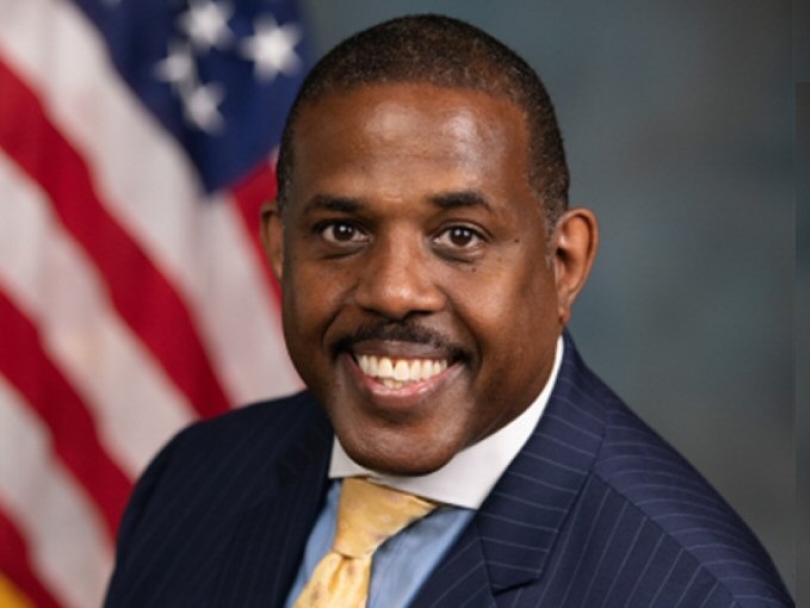
Sen. Kevin Parker
Sponsored bills
Relates to the processing of evidence related to sexual offenses and the inclusion of such results in the state DNA identification index; requires evidence of sexual offenses to be collected and forwarded to any forensic DNA laboratory for testing within the established time frame.
Creates minority and women-owned business enterprise regional advocates; provides that the advocates will help ensure that municipal agencies comply with the provisions of law relating to minority and women-owned business enterprises.
Relates to permits granted in coastal erosion hazard areas; provides that as a condition of any permit issued in a coastal erosion hazard area, the department of environmental conservation shall require green infrastructure to help reduce stormwater runoff and mitigate coastal erosion.
Relates to school climate and codes of conduct on school property and disciplinary action following violation of such codes of conduct; makes conforming amendments.
Requires the district attorney to file information with the accusatory instrument when certain crimes are committed against a female and it is not charged as a hate crime.
Maddy summaryS 4243 creates an income-driven repayment plan for New York residents with private student loans held by New York state banking institutions. It caps monthly payments at 15% of income above the federal poverty level for the borrower's family size, requiring annual income and family size verification. Borrowers who qualify for "partial financial hardship" can enroll, with payments adjusted yearly based on income changes. After 10 years of on-time payments (120 total), remaining loan balances may be forgiven, though forgiven amounts could be subject to New York state income tax. This directly affects New York residents with eligible private student loans from NY banks facing financial strain.
Provides a tax credit for the purchase or conversion of an electric vessel or zero emission vessel; provides a tax credit for electric vessel recharging property.
Maddy summaryThis bill increases residential solar tax credits by raising the credit rate to 26% of qualified solar equipment costs. It sets new annual credit limits: $3,750 for systems installed before 2026, $5,000 for 2026-2025, and $10,000 for systems installed on or after January 1, 2026. The credit applies to homeowners who install qualifying solar systems (including equipment for heating, cooling, hot water, or electricity) at their primary residence, covering equipment purchases, installation, and certain lease agreements. Low-income taxpayers and those in disadvantaged communities may receive refunds for excess credits starting in 2026, rather than carrying them forward. The policy directly affects residential property owners installing solar energy systems in the state.
Maddy summaryThis bill officially renames a walkway over the Hudson River bridge to the "Eleanor Roosevelt Walkway." It updates legal references in state law to replace the placeholder name with the new designation, clarifies the walkway won't charge tolls (unlike nearby bridges), and establishes a lease agreement with the state parks department for park management. The change affects only the official name and administrative references for this specific walkway.