

Maddy summaryS 1068 requires New York municipalities to obtain state legislative approval before selling, leasing, or changing the use of publicly owned parkland. It mandates that any alienation must include acquiring replacement parkland of equal or greater size, value, and recreational utility, with exceptions for utility easements (requiring funding for new parkland) or park-related facilities (requiring ongoing public benefit). The bill establishes a review process where municipalities must first get certification from the Office of Parks, Recreation and Historic Preservation confirming compliance with replacement requirements before the legislature can approve alienation. This directly affects all New York cities, towns, counties, and school districts owning parkland, ensuring parkland loss is offset by equivalent public space. The law codifies existing "public trust doctrine" requirements while adding specific procedural safeguards.
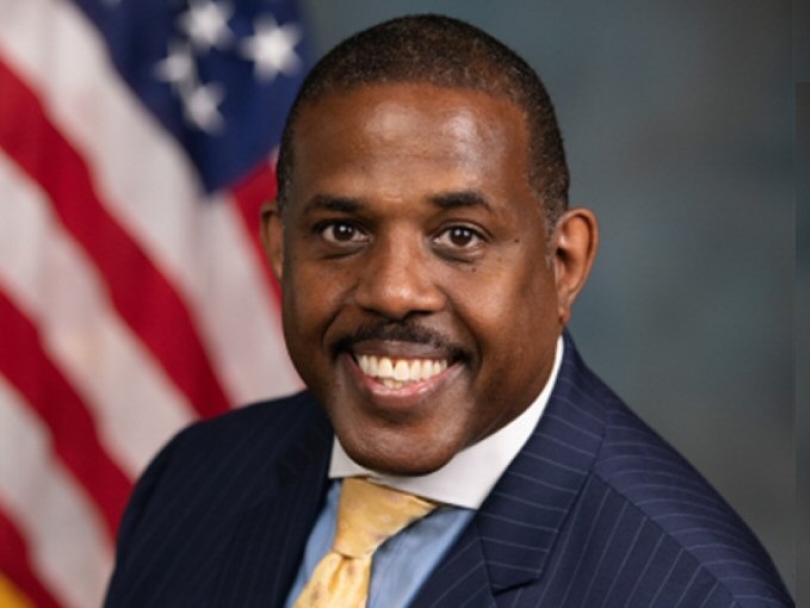
Sen. Kevin Parker
Sponsored bills
Maddy summaryThis bill prohibits state and local police officers and designated peace officers from asking crime victims or witnesses about their immigration status, except when necessary to investigate the crime. It directly affects individuals reporting crimes or testifying in court who might otherwise face immigration-related questions. The law applies to all law enforcement officers defined under New York's criminal procedure law and takes effect immediately. The provision aims to encourage crime reporting by ensuring victims and witnesses aren't deterred by fears of immigration enforcement.
Establishes the SUNY downstate medical support fund to provide financial support for infrastructural upgrades and expansion; facilitates research and development grants in medical and health-related fields; offers scholarships and financial aid; supports community health initiatives and outreach programs.
Requires at least one full-time licensed or certified social worker to be employed in each elementary, intermediate, middle, junior high school and senior high school throughout the state.
Maddy summaryThis bill allows New York City to partner with labor unions representing city employees to finance affordable housing exclusively for those union members. It requires housing units to be occupied by city employees meeting specific criteria: at least one resident must work for the city, live there over half the year, and have combined household income below 125% of the area median income. Leases automatically terminate if residents no longer meet these income or residency requirements. The bill creates a formal mechanism for unions and the city to collaborate on housing projects without conflicting with existing laws. (Summary based on §1154 of the bill text and official abstract.)
Provides a tax exemption from sales and compensating use taxes on alternative energy systems including alternative energy systems, new Energy Star appliances and tangible personal property used in or on habitable residential and non-residential structures to improve energy efficiency; defines relevant terms; authorizes municipalities to adopt the exemption.
Maddy summaryThis bill establishes new rules for state and local agencies regarding immigration-related matters. It prohibits government agencies from asking about a person's immigration status when providing public benefits or services, and bans law enforcement from stopping or detaining people based on immigration status or federal immigration detainers. The law requires confidentiality for any immigration information collected and mandates free interpreter services for non-English speakers during related inquiries. These provisions directly affect immigrants seeking public assistance, law enforcement agencies, and government offices handling benefits or services.
Allows large volume dealers to collect bottle redemption deposits from distributors upon pick up in the same manner as such bottle redemptions are purchased.
Maddy summaryThis bill adds Kwanzaa (December 26 through January 1) to New York State's official list of public holidays under the General Construction Law. It directly affects state government operations and employees, requiring state offices to close on these days. The key provision amends existing law to include Kwanzaa alongside other recognized holidays like New Year's Day and Independence Day. The change applies to all state agencies and public institutions operating under the law.
Prohibits the state from entering into certain contracts with companies requiring employees to stipulate to binding arbitration for all disputes unless it excludes disputes involving sexual assault.