

Requires the membership of the state board of parole, and parole hearing officers to be composed of a proportionate share of residents of each county to reflect the state's incarcerated individual population.
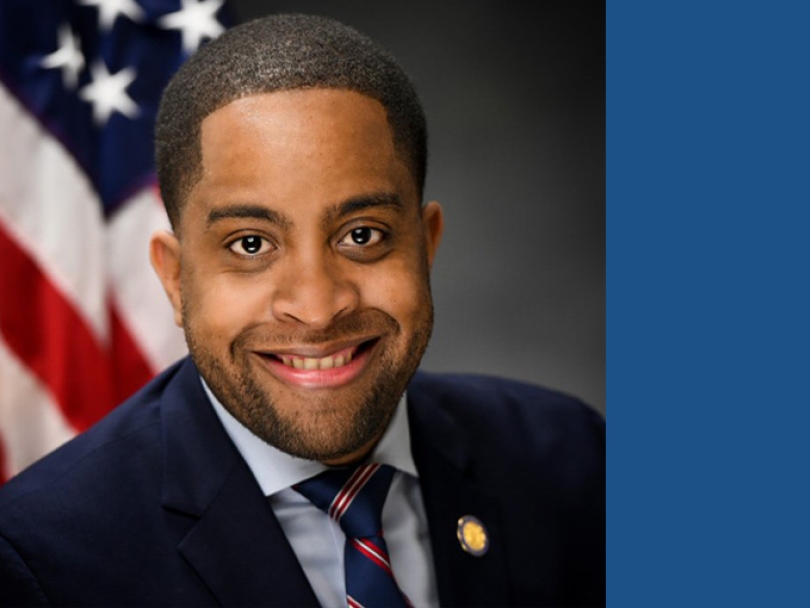
Sen. Zellnor Myrie
Sponsored bills
Maddy summaryThis bill (S 3794) requires all New York schools to accept credits earned in educational programs operated by the Office of Children and Family Services (OCFS) as valid transfer credits. It directly affects students enrolled in OCFS-run programs and the schools they attend or transfer to. The law mandates that schools must accept these credits regardless of other rules, ensuring coursework completed at OCFS facilities counts toward graduation requirements. The bill takes effect immediately upon enactment.
Establishes the COVID-19 recovery local employment tax credit program to provide tax incentives to employers for employing local employees in full-time or part-time positions in the two years following the conclusion of the state disaster emergency declared pursuant to executive order two hundred two.
Provides for a working families tax credit; directs quarterly prepayment of the credit; provides for a sliding reduction in the credit for incomes which exceed a certain threshold.
Establishes the civil right to counsel in eviction proceedings in New York state; creates the New York state office of civil representation; requires that covered individuals be given notice of such right to counsel.
Suspends the registration of a vehicle which has been documented five times within an eighteen month period by a photo violation monitoring device for failure of an operator thereof to comply with traffic-control indications for a period of ninety days.
Requires the division of criminal justice services to establish a policy prohibiting police agencies from using chemical weapons and kinetic energy munitions on civilian populations and from acquiring and stockpiling such weapons or munitions.
Maddy summaryThis bill would impose a new tax on New York State residents with $1 billion or more in net assets (total wealth minus debts), calculated as if they sold all assets at market value on December 31, 2024. Taxpayers would pay the resulting tax over 10 years with an annual interest-like fee, or in full for the 2025 tax year. It includes credits for taxes paid to other states on assets accumulated before New York residency, and excludes certain assets like gifts made within five years. The tax applies only to New York residents meeting the $1 billion threshold, with the first payment due for the 2025 tax year. The bill is currently pending in the Budget and Revenue committee.
Requires high schools in grades nine through twelve to provide a course in financial literacy; requires students to complete such course as a condition of graduation.
Creates statewide emergency and crisis response council to work in conjunction with the commissioners of mental health and addiction services to jointly approve emergency and crisis services plans submitted by local governments, and provide supports regarding the operation and financing of high-quality emergency and crisis services provided to persons experiencing a mental health, alcohol use, or substance use crisis.