

Maddy summaryS 1439 (New York) imposes a new tax on investment income from long-term capital gains, dividends, and other low-taxed federal income types. It directly affects high-income New York residents with significant investment earnings, targeting individuals and estates with taxable income above specific thresholds. The bill adds a 7.5% tax on long-term capital gains above $400,000-$500,000 (depending on filing status), gradually increasing to 15% above $800,000-$1 million. This tax phases in over defined income ranges and is administered like existing state income tax. The bill is currently referred to the Budget and Revenue committee.
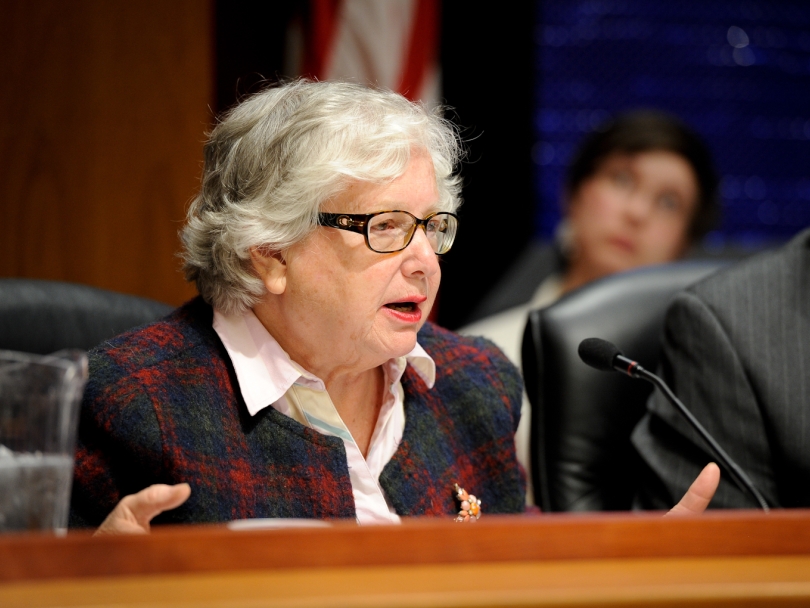
Sen. Toby Stavisky
Sponsored bills
Aligns utility regulation with state climate justice and emission reduction targets; provides for a statewide affordable gas transition plan and utility home energy affordable transition programs; repeals provisions relating to continuation of gas service; repeals provisions relating to the sale of indigenous natural gas for generation of electricity.
Enacts the "assuring college campus and educational safety and support (ACCESS) act" relating to harassment of students and applicants at educational institutions; describes the circumstances under which harassment at educational institutions is an unlawful discriminatory practice; describes the circumstances under which an educational institution is deemed to have permitted harassment; describes additional circumstances under which a college or university is deemed to have permitted harassment.
Provides that the term "landlord" when used in the real property law, shall not include or apply to any corporation, entity or organization, hereinafter known as a "cooperative entity" that is or is operating for the purpose of providing housing and/or residences for its shareholders by leasing or subleasing to such shareholders, under proprietary leases or occupancy agreements or subleases of such leases or occupancy agreements of apartments or residences in the buildings or premises owned by such cooperative entities; makes related provisions for the term "tenant".
Exempts small business enterprises that manufacture metal or vinyl windows and doors from certain employee limits and personal net worth limits for purposes of certification of a minority-owned business enterprise.
Maddy summaryThis bill, the "Raise the Wage Act," increases New York's minimum wage to $21.25 per hour in New York City by 2028, $17.25 in the city's suburbs (Nassau, Suffolk, Westchester) by 2026, and gradually across the rest of the state. It repeals current static wage provisions and establishes automatic annual adjustments tied to inflation and productivity, mirroring the formula used for upstate wages since 2022. The bill directly affects all hourly workers covered under New York's labor law, particularly in low-wage sectors like home care and childcare. This indexing mechanism aims to prevent future erosion of purchasing power, ensuring wages keep pace with rising living costs.
Maddy summaryThis bill, S 2710, changes retirement rules for New York City police officers by reducing the required service time for full retirement benefits from 22 years to 20 years. It specifically applies to members of the New York City Police Pension Fund, allowing them to retire with full benefits after 20 years of service instead of the previous 22-year requirement. The bill amends three sections of the retirement law to update definitions, benefits, and eligibility, ensuring NYC police officers can access normal retirement benefits at the 20-year mark. This is a direct policy change affecting NYC police officers' retirement timelines, with no broader application to other public safety workers.
Maddy summaryThis bill allows schools to delegate background check responsibilities for contracted student support service providers (such as tutors, substitute teachers, or educational consultants) to the providers themselves. It updates fingerprinting rules to require these contracted providers to meet state background check standards, eliminating the need for schools to conduct separate checks when providers already comply. Schools that opt into this process will no longer oversee fingerprinting for these workers, streamlining the verification for temporary or specialized staff. The change applies specifically to providers of "student support services" as defined in the law, not to all school employees.
Authorizes physicians, nurse practitioners, and physician assistants to delegate the task of administering vaccinations to medical assistants provided that such vaccinations are recommended and such medical assistants receive proper training and adequate supervision.
Establishes the civil right to counsel in eviction proceedings in New York state; creates the New York state office of civil representation; requires that covered individuals be given notice of such right to counsel.