

Includes additional community districts in which pilot programs to address the legalization or conversion of certain basement and cellar dwellings can be established by local law.
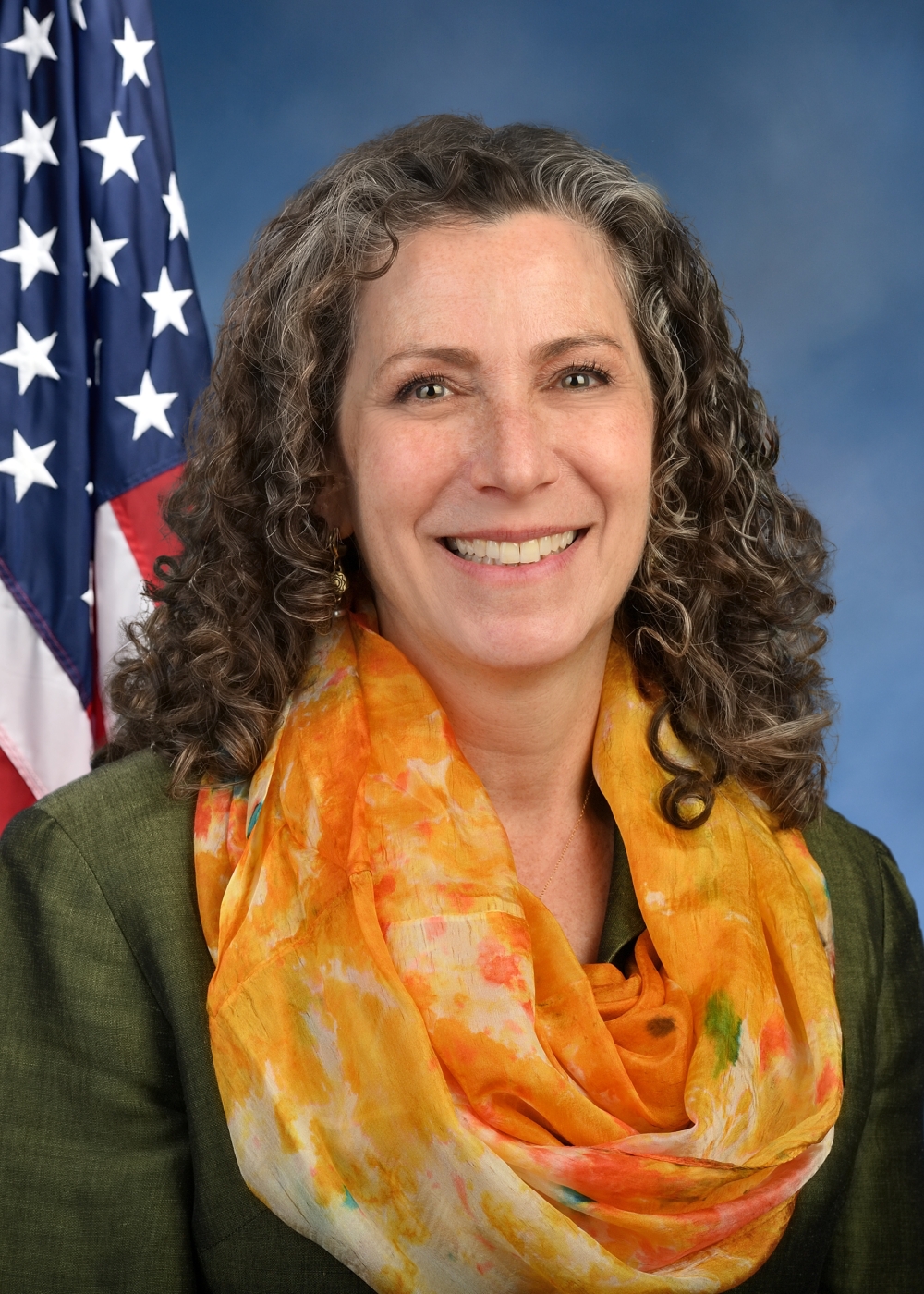
Asm. Dana Levenberg
Sponsored bills
Maddy summaryThis bill establishes a "Gate Money Program" providing eligible individuals released from New York State correctional facilities with monthly cash payments. Specifically, those who served at least six months in state prison and haven't received prior payments get $425 per month for up to six months (capped at $2,550 total), adjusted annually for inflation. Payments are made immediately upon release (cash/check) and then monthly by community supervision agencies, with funds not counting toward public assistance eligibility. The program is funded by a $25 million appropriation into a dedicated "gate money fund" and excludes individuals released to other states or federal custody.
Provides for the waiver of the fee for a replacement driver's license or identification card if the replacement driver's license or identification card is requested solely for the purpose of designating that the applicant is an organ donor.
Establishes the Early Learning Child Care Act to impose a payroll tax on certain employers for the purposes of addressing child care affordability, accessibility, and quality for families with children under five years of age; establishes the early learning child care fund; establishes the early learning child care program to provide subsidies to covered children to attend early learning child care programs; establishes the New York state child care board.
Establishes a civil remedy for the protection of animals denied proper care by creating a special proceeding in the supreme court that will hold owners and caretakers liable if such animals under their care are mistreated.
Maddy summaryThis bill allows New York school districts to create policies enabling home-schooled students to try out for and join district interscholastic sports teams. It requires these students to meet the same academic, health, and behavioral standards as enrolled public school students, including annual academic verification and age/eligibility rules. Home-schooled students would only be eligible to participate with their district of residence and must arrange their own transportation. The policy is optional for school districts and does not mandate participation.
Maddy summaryThis bill (A 6192) establishes a 5-year moratorium on the land application, sale, and distribution of biosolids and products containing them for agricultural or landscaping use (like fertilizer or soil amendment). It directly affects wastewater treatment facilities, farmers, and businesses using biosolids-derived products, banning their use on crops, parks, golf courses, and similar non-crop lands. The moratorium excludes landfill disposal of biosolids and certain composts made from food waste, manure, or crop residues (not biosolids). Violations carry fines up to $2,500 per offense plus daily penalties.
Maddy summaryThis bill (A 7456) requires lobbyists to register and disclose details about efforts to influence the nomination or confirmation of individuals for state offices that require Senate approval. It expands existing lobbying disclosure rules to specifically include "offices and nominees or potential nominees" as a required disclosure point for lobbyists. The key mechanism adds this requirement to multiple sections of the legislative law, mandating that lobbyists report the specific offices and nominees they are lobbying for. This affects lobbyists working on appointments to state positions subject to Senate confirmation, such as judges or agency heads.
Maddy summaryThis bill (A 2187) requires new affordable housing programs in New York City to use the lower of two area median income (AMI) calculations: either the zip code-specific AMI or the broader regional AMI for the program's location. It directly affects developers and housing providers initiating new affordable housing projects after the bill's effective date. The key provision mandates that the program must adopt whichever AMI figure (zip code or regional) results in a lower income threshold, potentially expanding eligibility for affordable housing. This change applies only to new programs, not existing ones, and takes effect immediately upon enactment.
Permits a redetermination of a tax abatement for rent-controlled and rent regulated property occupied by senior citizens or persons with disabilities upon a permanent decrease in income.