

Maddy summaryBill A 5955 authorizes the Department of Corrections and Community Supervision (DOCCS) to conduct a study on the treatment and conditions of aging prison populations. The study will profile current elderly incarcerated individuals, project future populations, and analyze factors contributing to their growth. It also requires an assessment of the adequacy of specialized housing, medical care, and programs provided to older prisoners, including training for corrections officers and facility oversight. DOCCS must report its findings, conclusions, and legislative recommendations to the governor and legislature within one year.
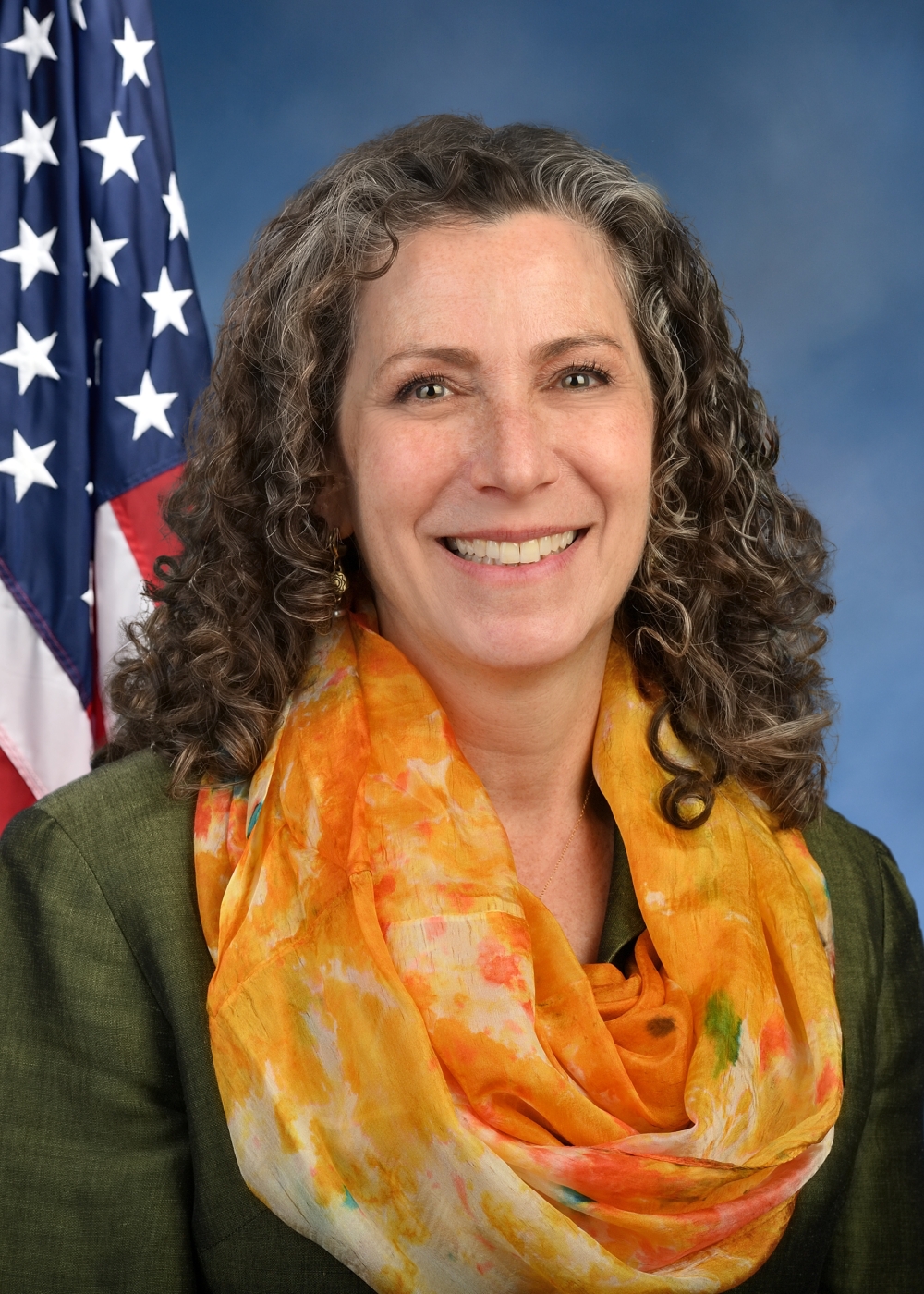
Asm. Dana Levenberg
Sponsored bills
Requires certain watercraft, aircrafts, and trains to use clean energy, including ensuring such vehicles are zero-emissions; requires NYSERDA to study zero-emission commercial vehicles, the use of renewable energy in publicly funded airports, and the use of sustainable aviation fuel; requires NYSERDA to administer a grant program to flying schools and clubs that install charging infrastructure.
Maddy summaryThis bill increases the standard fee that New York notaries public can charge for common services from $2 to $5 per transaction. It directly affects notaries by raising fees for administering oaths, certifying acknowledgments of documents, and swearing witnesses. The key provision updates Section 136 of the executive law to replace all instances of "$2" with "$5" for these specific notarial acts. Electronic notarial services are excluded from this change and will continue to be regulated separately. The bill takes effect immediately upon enactment.
Maddy summaryThis bill (A 1341) creates a New York state mobile application for Medicaid-eligible individuals who are pregnant, postpartum, or seeking prenatal care. The app must provide New York-specific health resources, program links, and multilingual support, developed through a competitive state contract. Developers must share anonymized usage data (like user numbers and engagement) with lawmakers but cannot sell or share personal user information. The app must meet state health standards and be accessible across all mobile platforms.
Provides for the initiation of treatment for COVID-19, influenza, and pharyngitis resulting from a Group A streptococcal infection by a licensed pharmacist in certain circumstances.
Includes sporting events within the definition of places of public entertainment and amusement for purposes of wrongful refusal of admission to and ejection from places of public entertainment and amusement.
Maddy summaryThis bill creates a new civil lawsuit pathway for individuals whose constitutional or federal rights were violated by government actors (such as police, courts, or public officials). It allows victims to sue for damages and court-ordered remedies, removes common defenses like "I thought it was legal," and requires courts to award attorney fees to winning plaintiffs - even if the case settles without a formal judgment. Public entities (like cities or state agencies) must cover their employees' legal costs if sued under this law, and lawsuits must be filed within three years of the violation. It directly affects people harmed by government overreach, ensuring they have a clear legal route to seek redress for rights violations.
Requires course work or training in menopausal health for physicians, physician assistants, nurses, mental health practitioners, psychologists and social workers.
Includes additional community districts in which pilot programs to address the legalization or conversion of certain basement and cellar dwellings can be established by local law.
Maddy summaryThis bill establishes a "Gate Money Program" providing eligible individuals released from New York State correctional facilities with monthly cash payments. Specifically, those who served at least six months in state prison and haven't received prior payments get $425 per month for up to six months (capped at $2,550 total), adjusted annually for inflation. Payments are made immediately upon release (cash/check) and then monthly by community supervision agencies, with funds not counting toward public assistance eligibility. The program is funded by a $25 million appropriation into a dedicated "gate money fund" and excludes individuals released to other states or federal custody.