

Maddy summaryThis bill requires industrial development agencies in New York municipalities to include a representative from a labor organization on their governing boards. It defines "labor organization" as any group formed for collective bargaining, handling workplace grievances, or worker protection (excluding company unions). Agencies must have 3-7 members, including at least one labor representative, a local government/business representative, and a school district representative. The law aims to ensure worker voices are part of decisions affecting local economic development projects.
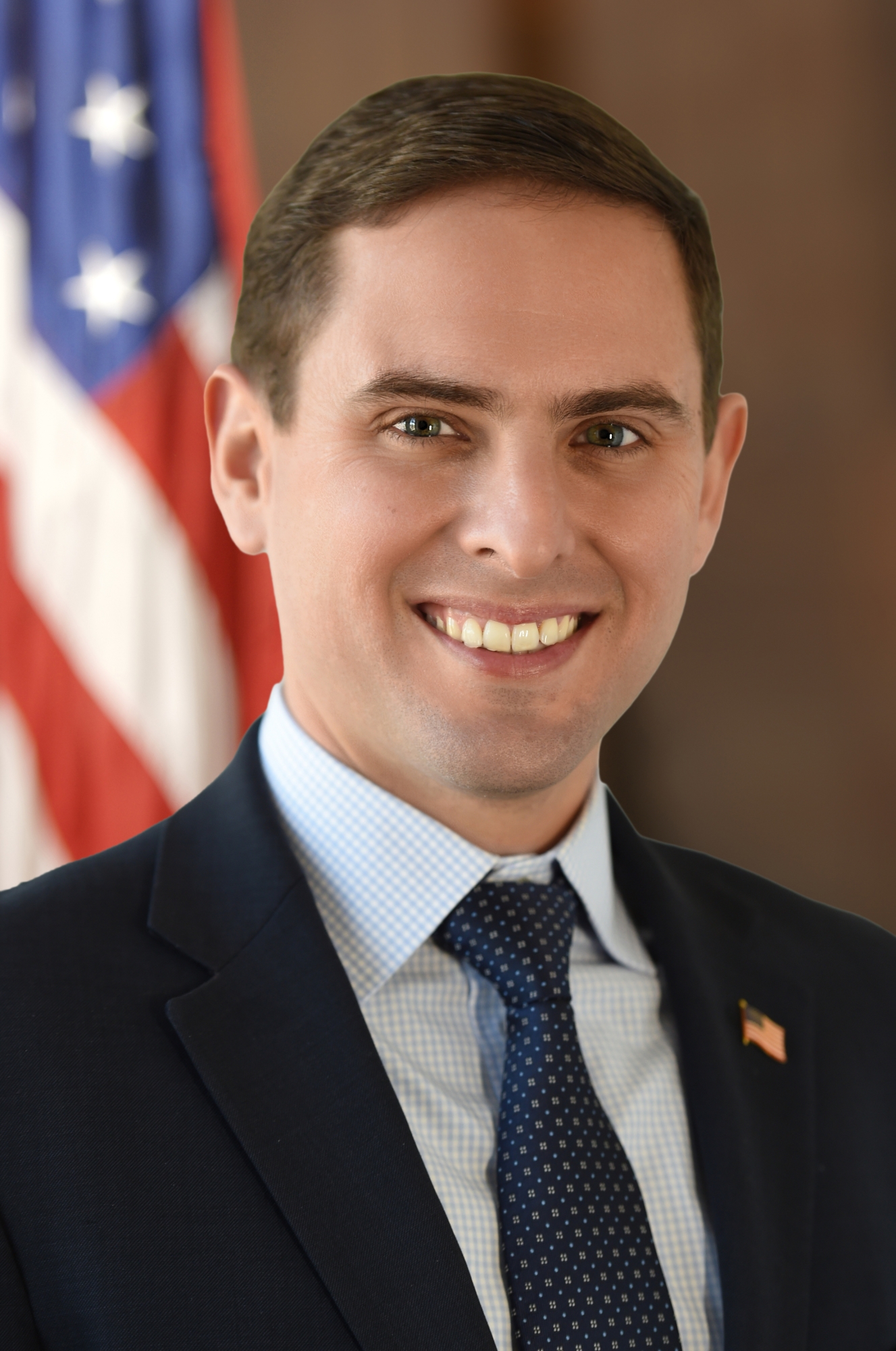
Asm. Matt Slater
Sponsored bills
Authorizes Breanne M. Smith to receive a refund of certain accumulated contributions paid to the New York state and local employees' retirement system.
Requires electric utility corporations, energy services companies and municipalities to provide an itemized breakdown on all monthly bills detailing infrastructure costs, contributions to the New York Power Authority, and other public utility investments.
Requires each state-operated facility that delivers health care services which is operated and licensed pursuant to the mental hygiene law, the education law, the correction law or section 504 of the executive law and which requires two or more registered nurses or licensed practical nurses to be present within the facility at any given time.
Maddy summaryThis bill requires heads of 55 specific New York state agencies (including agencies like the Department of Education, Environmental Conservation, and the State Police) to appear in person before relevant legislative committees twice each year. Agency leaders must answer questions about their operations, state policies, and other matters under their jurisdiction. The requirement applies to all listed agencies, with a designee allowed if an agency lacks a head. This creates a regular, structured process for legislative oversight of state agency activities.
Maddy summaryThis bill (A 4464) creates New York's Legislative Sunset Advisory Commission to review state agencies every ten years. The commission, composed of legislative leaders and appointed members, evaluates agencies using 13 specific criteria - such as efficiency, duplication with other agencies, and public impact - to determine if they should be continued, reformed, abolished, or consolidated. It must submit annual reports with binding recommendations to the governor and legislature by December 31st, including fiscal impact estimates, and requires agencies to notify employees of potential changes. This process directly affects all state agencies and their employees by subjecting their continued existence to periodic review.
Prohibits the use of intoxication of the victim as a defense in sex crimes where the victim is under the influence of any drug, intoxicant, or other substance to a degree which rendered the victim temporarily incapable of appraising or controlling such person's conduct and such condition was known or reasonably should have been known to a person in the actor's situation.
Maddy summaryThis bill requires the New York State Bridge Authority to install specialized fencing on all bridges it operates. The fencing must prevent climbing by using features like welded wire mesh panels, tightly spaced wires, and spike collars. It applies to all new bridge construction contracts and mandates installation within three years of the law's effective date. The measure directly affects the Bridge Authority and its contractors, focusing solely on the physical safety requirement without broader policy changes.
Maddy summaryThis bill legally validates the creation of the Birch Hill-Highview Water District in Southeast, Putnam County, which serves 24 residences. It addresses past legal errors where the town used general funds to build and repair the water system without proper approval or bond resolutions, actions that were previously prohibited by state law. The legislation confirms the district's authority to operate and collect fees from residents while allowing the town to seek grants and loans for necessary water quality improvements. By ratifying the district's formation, the bill enables the town to fix contamination issues and manage the water supply without facing penalties for previous procedural mistakes.
Maddy summaryThis bill amends election law to address fraudulent nominating petitions by establishing a specific threshold for invalidation. It directly affects political candidates and election officials by setting a rule where a court must declare an entire petition invalid if it finds that 25% or more of the signatures are fake. The key provision removes the need for a court to count individual valid signatures after reaching this fraud threshold, instead automatically voiding the filing and stripping the candidate of their status. The law takes effect immediately upon passage, changing how election courts handle contested petitions with significant levels of fraud.