

Creates the New York health benefit and cost commission to review and report on utilization rates, public and patient health effects, and impact on premiums and access to health care and health coverage of all existing and proposed mandated health benefits.
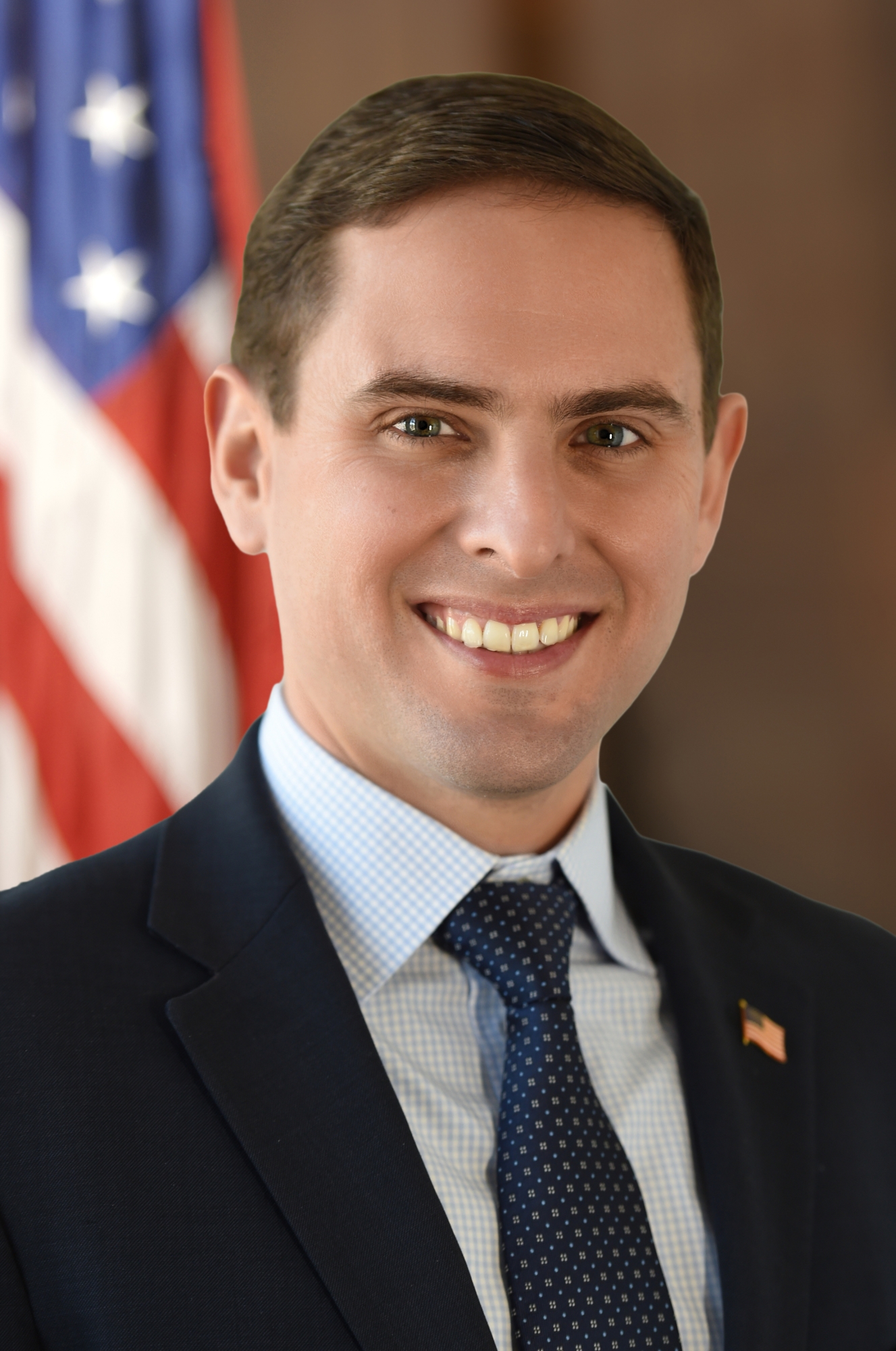
Asm. Matt Slater
Sponsored bills
Maddy summaryThis bill establishes New York's First Home Savings Program, creating tax-advantaged savings accounts for first-time home buyers. It directly affects New York residents who have never owned a primary residence (including those with mobile homes but excluding those who claimed home tax deductions), allowing them to save for purchasing a home in the state. Key provisions include tax incentives under state law, strict rules defining "first-time buyer" status, and requirements that funds be used only for qualified home purchases (houses, condos, or co-ops) within New York as a primary residence. Withdrawals for non-qualified purposes face penalties, while exceptions exist for death, emergencies, or military service. The program is managed by the state comptroller and requires accounts to be held at approved financial institutions.
Provides for the licensure of school psychology practitioners; authorizes the use of the title "licensed school psychology practitioner" to licensed or exempt individuals; defines practice of licensed school psychology practitioners; sets forth requirements for professional licensure (including educational attainment, experience, exam and fee); provides for issuance of limited permits under specified circumstances; identifies exempt persons; establishes mandatory continuing education requirements.
Establishes a municipal senior center capital support program in the office for the aging to assist municipalities in accessing capital funds necessary for the purchase of senior buses; directs the director of the office for the aging to develop an application and establish criteria for the disbursement of grants to eligible municipalities for the purpose of procuring senior buses; makes an appropriation.
Enacts the Northeast Regional Health Insurance Compact Act directing the governor to invite the governors of Connecticut, Massachusetts, New Hampshire, Rhode Island, Vermont, Maine, New Jersey, and Pennsylvania to participate in a Northeast Regional Health Insurance Compact Summit along with their respective health and insurance regulators, to discuss the feasibility of creating a Regional Health Insurance Collaborative that allows residents of participating states to purchase qualified health insurance plans offered in any member state.
Relates to certain conduct that may place a person in segregated confinement; expands the criteria that can be used for calculating good behavior allowances.
Ensures Medicaid spending results in real access to medical care by increasing transparency in Medicaid managed care network adequacy reviews and safeguarding continuity of care in light of recent major provider network withdrawals.
Directs the commissioner of health to conduct a study to identify, analyze, report, and medically combat new or previously unseen opiate/opioid compounds found in overdose patients in New York state for the purpose of establishing more efficient overdose medical treatment protocols.
Maddy summaryThis bill establishes the "First Responder Peer Support Program Act" to create a statewide grant program for peer-to-peer mental health support services. It directly affects first responders - including firefighters, police officers, EMTs, 911 operators, and correctional officers - by providing funding for local programs offering trauma-informed training and mental health resources. Key provisions include requiring standardized training on trauma, suicide prevention, and resilience; mandating strict confidentiality for participants; and prohibiting disclosure of personal information to employers. Grants are allocated to eligible local entities, with annual reports tracking program use without identifying individuals.
Prohibits the governor from preventing or inhibiting state agency cooperation with the federal government for the purposes of immigration enforcement; prohibits state agencies from preventing or inhibiting collaboration with federal agencies for the purposes of federal immigration enforcement.