

Protects the rights of persons with disabilities to be accompanied by a guide dog or service dog in a place of public accommodation or housing accommodation; imposes a misdemeanor penalty for violations; requires the division of human rights to conduct a public awareness and education campaign.
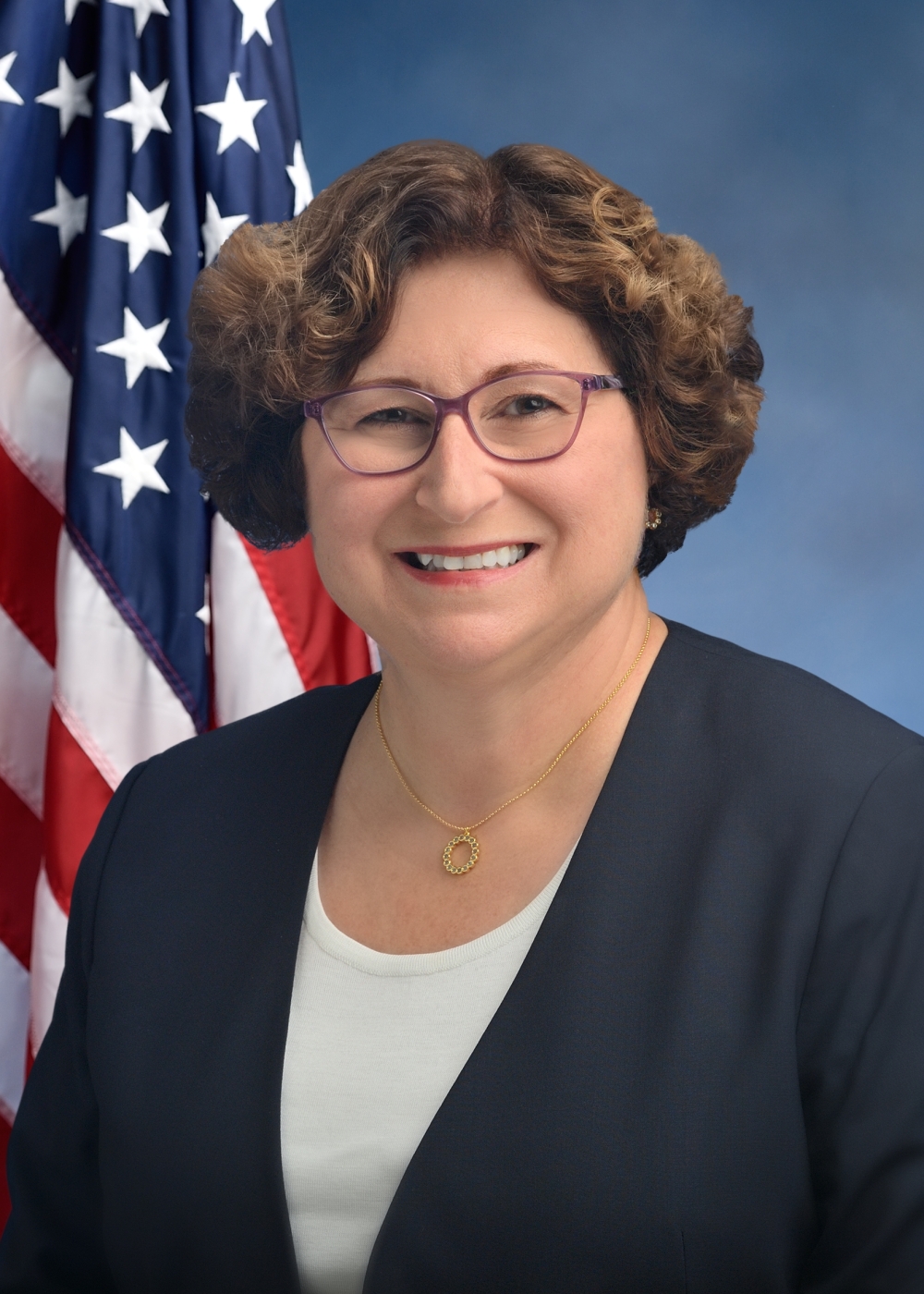
Asm. MaryJane Shimsky
Sponsored bills
Maddy summaryThis bill establishes a legal right to counsel for eligible immigrants in New York during immigration proceedings. It applies to income-eligible non-citizens or those with significant New York ties (like residents or cases tied to NY courts) facing removal or detention under federal immigration law. The New York State Office for New Americans will administer the program, providing initial consultations and ongoing legal representation starting when a case begins (e.g., upon receiving a "Notice to Appear") and continuing until the case concludes. Legal services must be offered regardless of the proceeding's location, including federal immigration courts outside New York.
Relates to establishing the housing access voucher program; provides that the commissioner of the division of housing and community renewal shall implement a program of rental assistance in the form of housing vouchers for eligible individuals and families who are homeless or who face an imminent loss of housing; provides that the commissioner shall designate housing access voucher local administrators in the state to administer the program.
Provides that any service outside of a city with a population of more than one million, that is designated as a microtransit service shall be eligible for statewide mass transportation operating assistance regardless of vehicle size; defines "microtransit service" to mean a technology-enabled on-demand service with dynamically generated routing that uses a managed fleet of multi-passenger vehicles dedicated to that service.
Prohibits the use of biometric surveillance technology by law enforcement; establishes the biometric surveillance regulation task force; provides for the expiration and repeal of certain provisions.
Maddy summaryThis bill authorizes the Village of Sleepy Hollow to implement a residential parking permit system on designated streets to address chronic parking shortages. It directly affects residents of Sleepy Hollow (population 4,452/sq mile) and visitors, including 100,000 annual tourists drawn to the village’s Halloween tourism. Key provisions require residents to obtain permits for parking on specific residential streets (listed in the bill), mandate 20% of spaces remain available for non-residents with 60-minute short-term parking, and direct permit fees to the village’s general fund. The system must be established via public hearing and excludes commercial zones and state highways.
Maddy summaryThis bill requires that batteries used in electric-assist bicycles and electric scooters must be tested and approved by specific accredited laboratories, such as Underwriters Laboratories or labs meeting international ISO/IEC standards. It mandates that these batteries display a certification seal from an approved lab, including those accredited under ISO/IEC 17025 or participating in the OSHA NRTL program. The law directly affects battery manufacturers and sellers of e-bikes and e-scooters, who must ensure compliance before selling or using these devices. The requirement takes effect immediately upon passage.
Enacts the "NYPD highway officer Anastasios Tsakos act"; requires intoxicated drivers to pay child support if such intoxicated driving results in the death of the parent or guardian of a minor child due to the influence of alcohol.
Enacts the "sustainable building materials act"; enacts into law components of legislation relating to reducing greenhouse gas emissions in construction; provides a sales tax exemption for certain low-carbon building materials (Part A); establishes a grant program for manufacturers of concrete for environmental product declarations (Part B).
Enacts the building up immigrant legal defense or BUILD act to provide competitive workforce development and capacity building grants to eligible entities that are seeking to expand access to representation for individuals facing deportation by increasing the workforce and strengthening the legal services infrastructure needed to provide such representation.