

Maddy summaryNew York State Bill A 9251 prohibits prediction market platforms from allowing New York residents to trade on specific types of events, including political elections, athletic competitions, deaths, and catastrophic incidents such as wars or natural disasters. The legislation defines these restricted categories in detail and explicitly bans "unlawful commodity" markets where the underlying activity violates state or federal law. Platforms that violate these restrictions face civil penalties ranging from $10,000 to $50,000 per violation, with fines increasing to twice the profits derived or $50,000 for prohibited market types. Additionally, providers who continue operating after a court order to cease operations in the state incur a penalty of $1 million per day, and the Attorney General is granted authority to enforce these rules and issue necessary regulations.
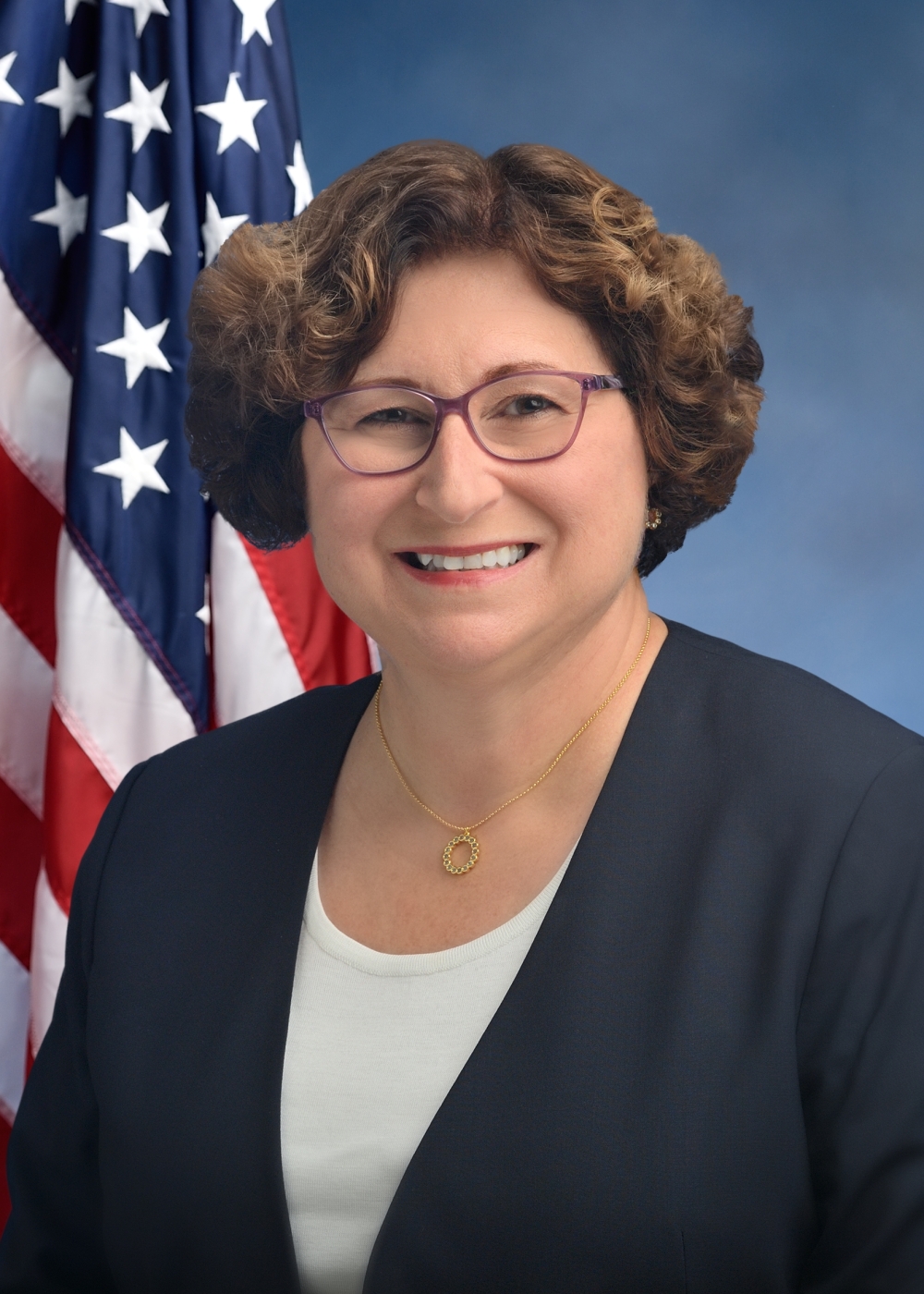
Rep. MaryJane Shimsky
Sponsored bills
Establishes the "removing barriers to higher education success act" which directs the state university and city university to adopt policies that makes certain documentation submitted by an enrolled or admitted student sufficient to establish that such student is an individual with a disability; establishes a program to provide transition services for students with disabilities entering higher education.
Establishes the 2-1-1 essential community services hotline system; designates the office of children and family services to oversee the hotline system; establishes the availability and scope of information to be provided by the hotline system and requirements of call centers; requires the office of children and family services to collect certain data relating to the hotline system and to make annual reports to the governor and the legislature.
Enacts the "just energy transition act"; requires a study of competitive options to facilitate the phase-out, replacement and redevelopment of New York state's oldest and most-polluting fossil fueled generation facilities and their sites by the year 2030.
Maddy summaryThis bill designates security officers working at Pleasantville's village court as peace officers with limited authority. These officers can only exercise specific powers listed in state law (such as maintaining order during court proceedings) and must complete required police training if not already certified. The bill clarifies they cannot carry firearms without proper licensing under existing law. It directly affects Pleasantville's village court security staff, expanding their legal authority for court security duties.
Grants security officers serving at the village of Ardsley village court peace officer status; provides that such officers shall complete training if they are not otherwise police officers or peace officers.
Establishes the 2-1-1 essential community services hotline system; designates the office of children and family services to oversee the hotline system; establishes the availability and scope of information to be provided by the hotline system and requirements of call centers; requires the office of children and family services to collect certain data relating to the hotline system and to make annual reports to the governor and the legislature.
Extends provisions of law relating to providing local governments greater contract flexibility and cost savings by permitting certain shared purchasing among political subdivisions from June 30, 2026 until June 30, 2027.
Relates to requirements associated with contracts between state agencies and not-for-profit organizations including an advance payment of 25% of the total award to cover expenses incurred in the first quarter.
Maddy summaryThis bill updates New York State's rules for contracts between state agencies and not-for-profit organizations, clarifying definitions and procedures for renewal contracts and temporary service agreements. It establishes clearer guidelines for "written directives" that allow not-for-profits to begin work before a contract is fully signed, including requirements for payment schedules and approval conditions. The legislation creates a new advisory committee to oversee contracting practices, review the short-term loan fund for not-for-profits, and provide recommendations to improve state agency contracting procedures. Additionally, the bill sets specific timelines for contract approvals by the attorney general and state comptroller, and expands access to short-term interest-free loans for not-for-profits working on state contracts.