

Maddy summaryThis bill removes a lifetime ban preventing people convicted of felonies from serving on juries. It amends state law to no longer disqualify individuals based on past felony convictions, meaning former felons could be summoned for jury duty. However, it maintains that people currently incarcerated for felonies remain excused from service while in prison. The law would take effect 180 days after enactment.
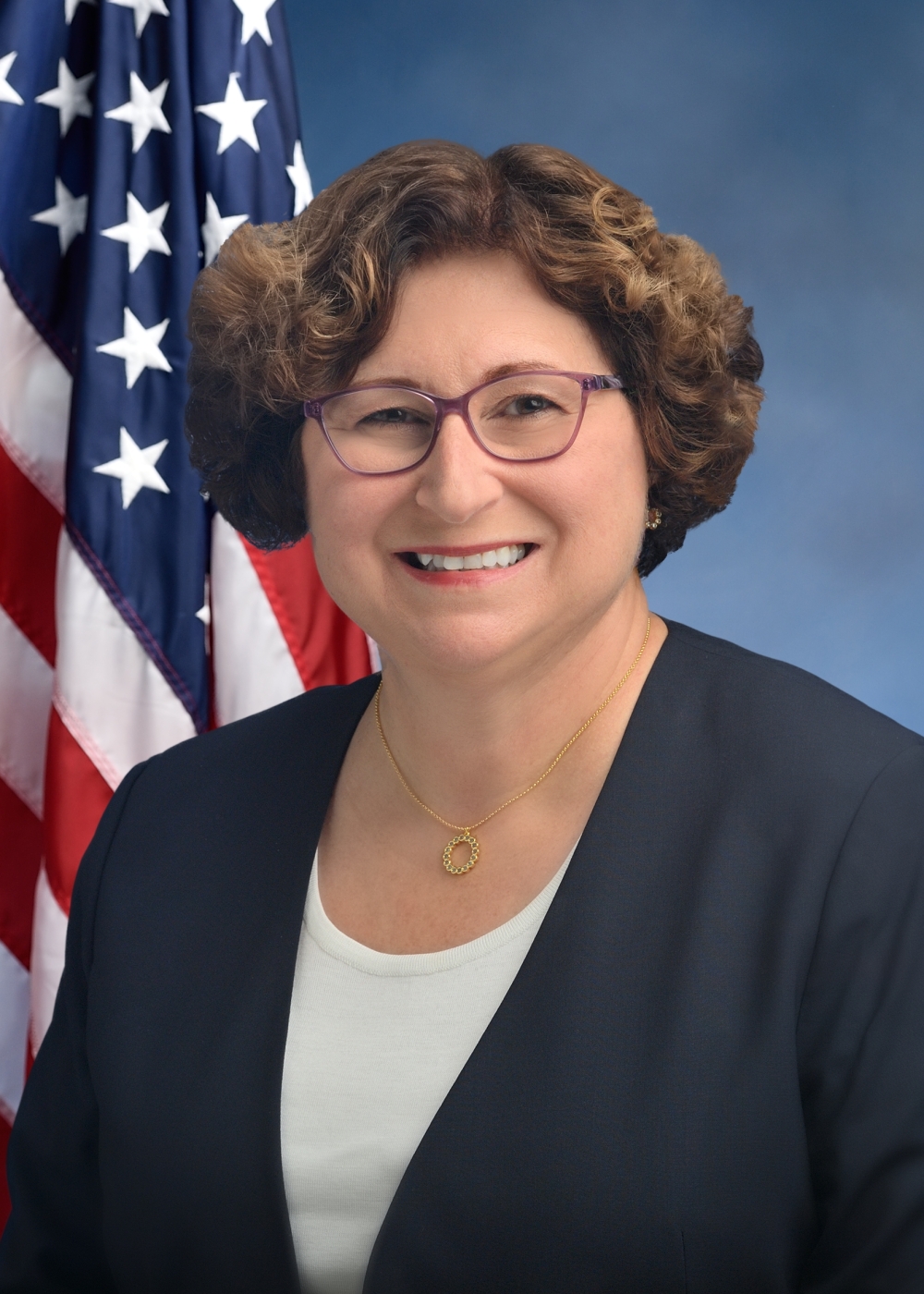
Asm. MaryJane Shimsky
Sponsored bills
Prohibits the diminution of health insurance benefits of public employee retirees and their dependents or reducing the employer's contributions for such insurance; defines employers to include the state, municipalities, school districts, and public authorities and commissions.
Relates to requiring that certain information be provided to operators of limited use motorcycles concerning rules of the road and consequences for non-compliance.
Maddy summaryThis bill establishes the New York State Autism Council, a 16-member body within the executive department. The council includes representatives from state agencies (health, education, developmental disabilities), community organizations like NYFAC, parents of children with autism, regional voices, and medical experts. Its key duties include approving autism awareness programs (public education about symptoms and treatments), coordinating research on autism, developing family support services, and creating public information about autism programs. The council also provides annual recommendations to the governor on improving services for individuals with autism and their families. This structure directly affects New Yorkers diagnosed with autism and their families by creating a formal process for shaping autism-related programs and services.
Maddy summaryThis bill establishes a minimum five-year duration for orders of protection in all domestic violence cases, replacing previous shorter timeframes. It requires courts to explicitly state findings of aggravating circumstances on the record when extending orders beyond the minimum period. The legislation applies to both civil family court orders (under the Family Court Act) and criminal sentencing orders (under the Criminal Procedure Law). Key provisions prevent courts from denying extensions solely because abuse hasn't occurred during the order's term and mandate that courts articulate their reasoning for duration decisions. The bill also clarifies that temporary orders don't affect the length of final orders.
Establishes procedures regarding orders of post-termination visitation and/or contact between a child and such child's parent and for modification of such orders.
Maddy summaryBill A 7308 establishes a tax credit for producers of sustainable aviation fuel (SAF) sold in the state for flights departing within the state. Starting January 1, 2025, producers can claim $1 per gallon, increasing by two cents for each additional one percent reduction in carbon dioxide emissions above 50%, up to a maximum of $2 per gallon. To be eligible, producers must obtain a certificate from the New York State Energy Research and Development Authority (NYSERDA). The bill defines SAF as liquid fuel derived from renewable or waste sources, excluding palm or petroleum, that achieves at least a 50% lifecycle greenhouse gas emission reduction. The total amount of tax credits issued annually is capped at $30 million, and any credit exceeding a taxpayer's liability will be refunded.
Requires town and village justices be admitted to practice law in New York state for at least five years as of the date they commence the duties of office.
Prohibits state contracts with contractors who do not provide health insurance which covers services for transgender, non-binary, and gender expansive people.
Maddy summaryThis bill adds "caste" to New York's existing anti-discrimination protections in employment, housing, and public accommodations. It defines "caste" as a hereditary social hierarchy based on birth that restricts opportunities, and prohibits discrimination against individuals because of their caste in hiring, housing, and public services. The law amends existing sections of the executive law to explicitly include caste alongside other protected characteristics like race, gender, and disability. It directly affects people in New York who experience caste-based discrimination in workplaces, housing, or public spaces. The key mechanism is updating anti-discrimination statutes to include caste as a protected category, making such discrimination unlawful under current enforcement frameworks.