

Maddy summaryThis bill suspends employer contributions to the interest assessment surcharge fund until December 31, 2027. It directly affects employers who would otherwise pay into this fund. To cover costs during the suspension, the bill appropriates $500 million from the Economic Uncertainties Fund to pay federal unemployment interest accrued under the Social Security Act. The suspension and funding mechanism are set to expire automatically on December 31, 2027.
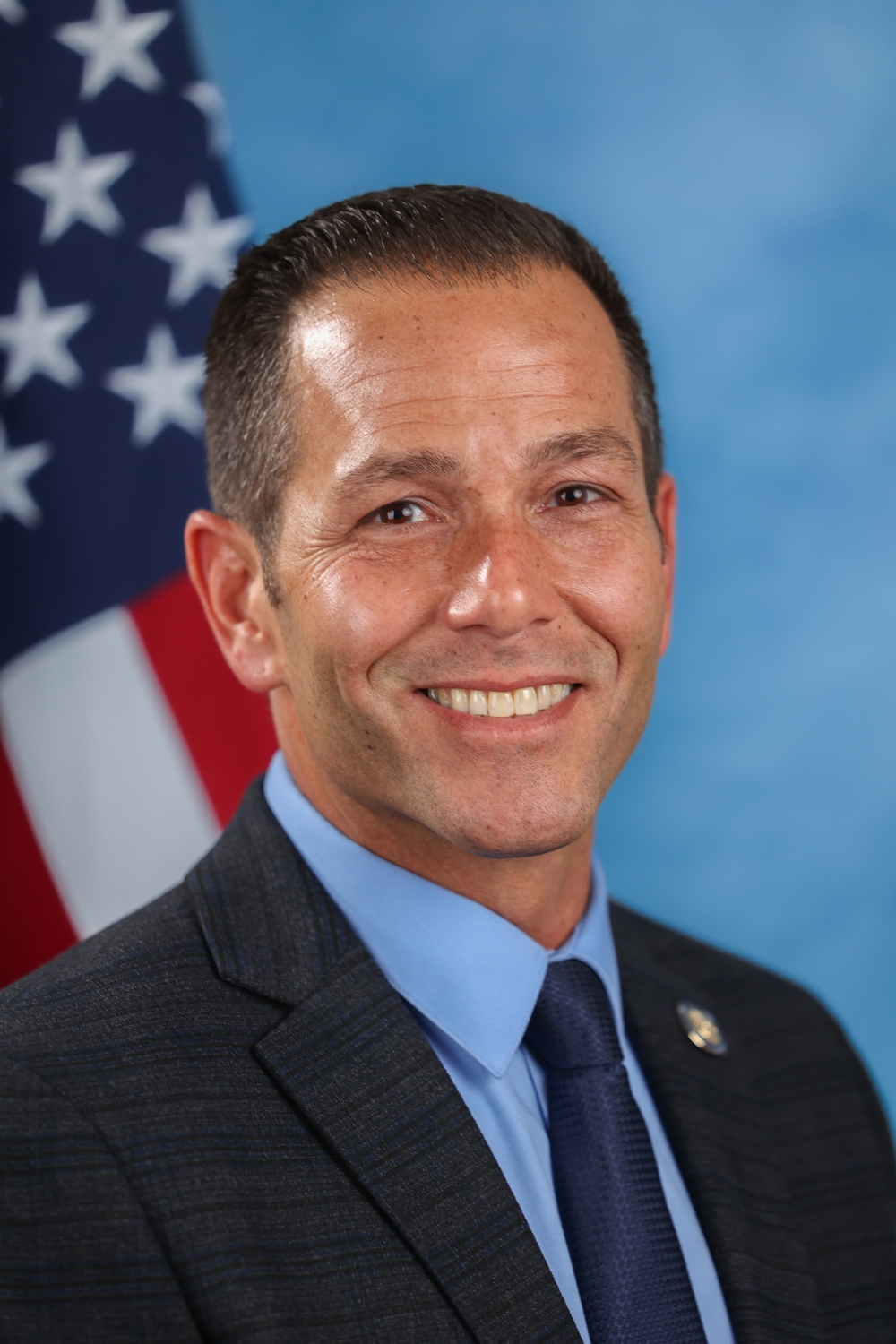
Asm. Michael Durso
Sponsored bills
Establishes a distinctive plate honoring recipients of the Girl Scout Gold Award for which the regular registration fee will apply plus an initial one time service charge of $25.
Requires residents of the state, who are foreign refugees, to register with the office of temporary and disability assistance; directs such office to provide registration information to the office of children and family services, the department of health, the office for new Americans, the department of law, the division of state police, the NYC police department, county sheriff's offices, municipal police departments, and the division of homeland security and emergency services; directs the office for new Americans to conduct background screenings of all refugees who register; requires refugee resettlement agencies to submit quarterly reports to the bureau of refugee and immigrant assistance on the refugees to whom it provides assistance, and to monitor the activities of such refugees for a certain period of time; directs the division of homeland security and emergency services to develop and implement a plan to ensure compliance by refugee resettlement agencies.
Establishes the "Purple Star School Program" to assist military-connected students and to recognize the value of military service and civic responsibility.
Relates to protecting the communication rights of individuals with disabilities; provides that each person with a disability has the right to communicate in their preferred manner.
Maddy summaryThis bill creates three types of specialty license plates for New York residents: one for current members of the U.S. Army 10th Mountain Division, one for supporters of the division, and one for veterans. Applicants must verify their status (membership, support, or veteran status) and pay a $20 annual fee, with the revenue funding plate production and marketing. The state motor vehicle department requires a $6,000 bond for plate production unless 200+ orders are received upfront, with excess funds supporting a scholarship program. The bill directly affects eligible military members, supporters, and veterans who register vehicles in New York.
Maddy summaryThis bill requires New York's Education Commissioner to survey school districts about how they teach Jewish heritage history, including what grades cover it, teaching methods, and challenges faced. It creates a 4-member advisory committee of education experts to review the survey findings and recommend improvements to K-12 curriculum and instruction. The survey results and committee recommendations must be reported to state leaders by January 2026, with the bill expiring after three years. The bill directly affects school districts' current practices in teaching Jewish heritage history but does not mandate new curriculum or funding.
Maddy summaryBill A 8258 proposes to exempt the Massapequa Union Free School District from any state laws, rules, or regulations regarding the use of indigenous names, mascots, and logos. This means the Massapequa school district would not be subject to existing requirements concerning such imagery. The bill directly affects this specific district by allowing it to continue practices that might otherwise be prohibited by state regulations.
Prohibits the comptroller from using environment, social, and governance criteria as a screening method for selecting companies and funds to invest the state pension fund in.
Maddy summaryThis bill requires New York state contracting agencies to set minority and women-owned business enterprise (M/WBE) participation goals based on the actual percentage of certified M/WBEs in each specific industry within the relevant economic development region. It mandates that the Department of Economic Development publish these regional industry-specific M/WBE percentages on its website for every state contract bid opportunity, updating them annually. This directly affects state agencies awarding contracts and contractors who must meet these data-driven participation rates. The policy change replaces previous fixed requirements with regionally and industry-specific targets to better reflect local business certification rates.