

Maddy summaryThis bill creates a new class A-1 felony offense for unlawfully selling or transporting an opiate controlled substance (as defined by public health law) that causes another person's death. It directly affects individuals who sell or transport opiates (like heroin or fentanyl) when such actions result in fatalities. The law includes a limited defense if the defendant jointly used the substance with the deceased for mutual consumption. The offense carries the highest felony penalty under New York law, with the bill named "Laree's Law" in recognition of opioid-related deaths.
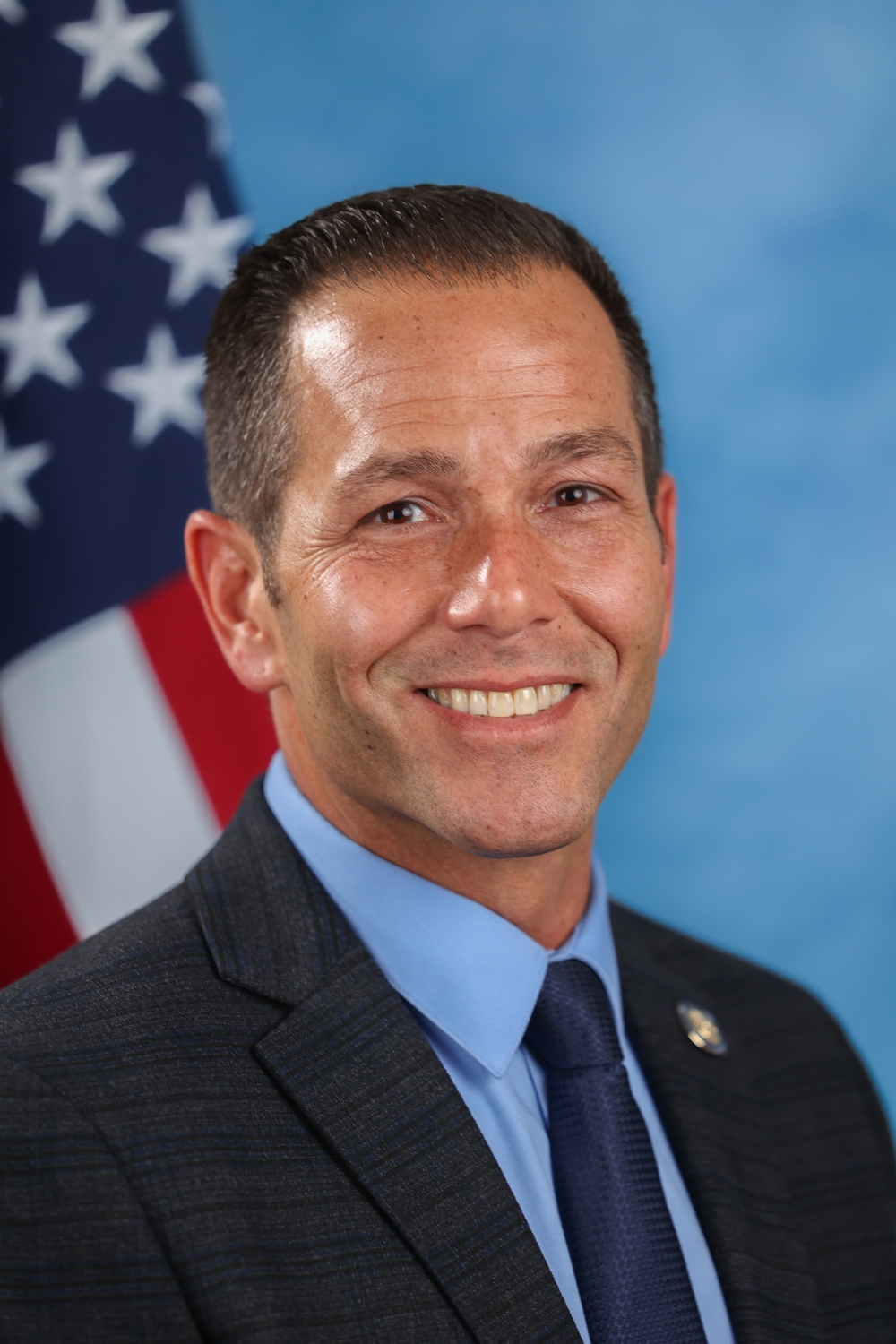
Asm. Michael Durso
Sponsored bills
Provides that the maximum speed limit on state highways may be established pursuant to an engineering and/or traffic investigation authorized or performed by the department of transportation or the municipality within which the section of state highway subject to such speed limit is located.
Provides a deduction in determining personal income tax for the cost of textbooks at a New York private or public college or university by a taxpayer or such taxpayer's eligible dependent; defines "eligible dependent" and "qualified education expenses".
Maddy summaryThis bill allows New York municipalities to create their own residency restrictions for registered sex offenders, directly affecting local governments and individuals required to register under state law. It authorizes local laws setting where these offenders can live, but requires all such restrictions to be at least as strict as existing state standards (referenced in Penal Law §65.10 and Executive Law §259-c). Municipalities must consider local conditions and protect vulnerable populations when making these decisions. The bill takes effect immediately upon enactment.
Permits award of crime victim assistance funds to victims of overdoses, where such overdoses cause death and were the result of deception, surreptitious delivery, or third-party administration of a controlled substance.
Maddy summaryThis bill creates a new class D felony offense for knowingly possessing a device that disrupts wireless communications (like cell signals or radio), without authorization. It directly affects individuals who own or carry such jamming devices, making possession illegal even if not actively used. The key provision defines the crime broadly as possessing any device capable of interfering with wireless signals through radio noise or signals. The penalty is a felony, with no mention of exceptions or specific exemptions for authorized uses like law enforcement.
Prohibits the acquisition of real property by foreign countries and entities of particular concern as well as citizens, companies, entities, and members of such countries and entities.
Directs the commissioner of the office of mental health to create and operate a law enforcement, first responder, active and non-active-duty service members and veteran informational mobile application.
Protects the identity of witnesses of hate crimes in discovery proceedings by requiring identifying information to be redacted, unless the court rules otherwise for good cause shown.
Provides for temporary exemptions to educational institutions from certain requirements related to the use of multi-occupancy bathrooms and locker rooms; authorizes the use of state building aid for related facility improvements.