

Maddy summaryThis bill prohibits state-operated hospitals, university health care facilities, and cancer institutes from suing patients to collect unpaid medical bills. It directly affects patients who owe money for care at these state-run facilities, preventing hospitals from using court action to recover debts. The bill defines "medical debt" as any obligation for health care services, products, or devices provided by licensed hospitals, health professionals, or ambulance services. The law takes effect immediately upon enactment.
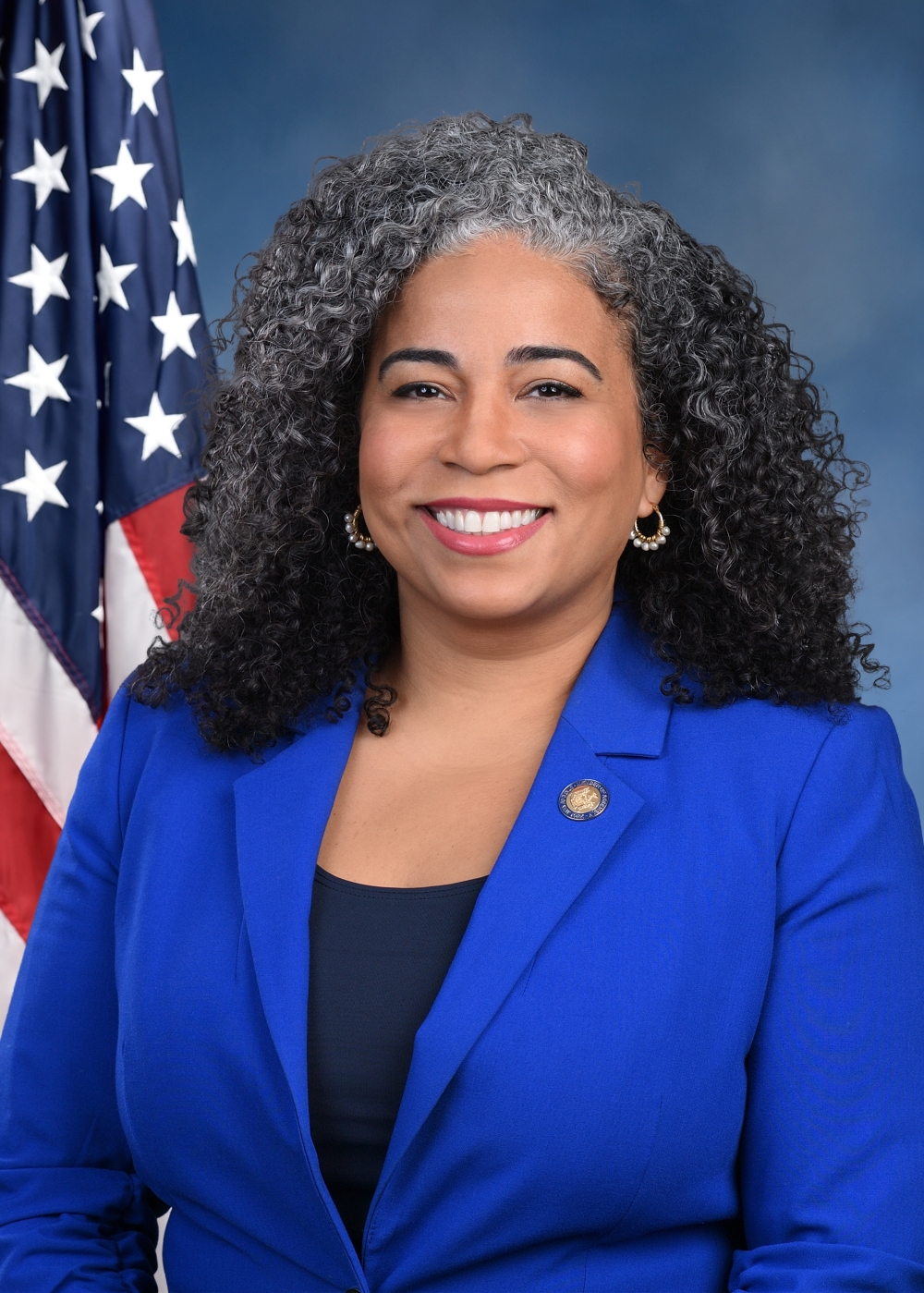
Asm. Karines Reyes
Sponsored bills
Requires solicitations and agreements to locate and retrieve abandoned property to provide certain disclosures in large type on the first page of any notice or agreement.
Maddy summaryBill A 482, titled the "lab services accessibility act," amends the public health law concerning clinical laboratory services. It expands the list of entities permitted to make payments for these services. Specifically, it allows nonprofit clinics, healthcare providers, and health services facilitators to pay for lab services when supporting a "public health program." These programs are broadly defined to include services supported by public funds or addressing recognized public health needs, such as confidential testing, services for underserved populations, or epidemic responses. The bill also transfers the authority for adopting and amending related rules from the public health council to the department.
Maddy summaryThis bill creates a certification process for entities providing in-home substance use disorder treatment services in New York. It requires applicants to meet specific clinical standards, including conducting screenings for overdose risk, mental health conditions, and problem gambling, developing safety plans, and providing medication-assisted treatment and naloxone. Applicants must also submit a needs assessment and service proposal, with one required consultation meeting with local governments. The certification process must be established within six months, directly affecting treatment providers seeking to offer these services statewide.
Enacts the nursing education support act to allocate additional funds to nursing programs at community colleges across New York state to expand capacity, improve program quality, and ensure a robust pipeline of skilled nurses to meet the state's healthcare needs.
Requires the New York city department of education to create more gifted and talented programs and classes in all school districts with elementary kindergarten through fifth grade and intermediate sixth through eighth grade with four or more classes per grade for students who shall gain entry through academic merit rather than through an admissions examination; authorizes automatic admission to a gifted and talented program in intermediate sixth through eighth grade for those students in elementary grades kindergarten through fifth grade who are currently enrolled in such program; makes related provisions.
Establishes that consumer litigation funding transactions should be subject to state regulation and sets forth requirements regarding disclosure, licensing, funding company and attorney responsibilities and limitations, violations and other provisions.
Requires the Olympic regional development authority, in consultation with the department of environmental conservation and division of human rights to develop an anti-bias and inclusion training to be completed by employees of such agencies annually.
Relates to prevailing wage requirements applicable to public works and certain construction projects performed under private contract and paid for with public funds.
Maddy summaryThis bill requires incarcerated individuals in New York state correctional facilities to be paid for labor performed, setting a minimum standard of at least half the state's minimum wage. It directly affects people held in state and local prisons who work in facility operations, community programs, or nonprofit volunteer roles. Key provisions mandate compensation for all work described in the law, including kitchen duties, maintenance, and specialized facility tasks, with pay calculated based on minimum wage standards. The law updates multiple correction law sections to ensure all such labor is compensated fairly, replacing previous unpaid or low-wage labor practices.