

Maddy summaryThis bill creates a new Alzheimer's disease outreach and education program to improve care and support for those affected. It directs state health officials to identify dementia cases in various settings like hospitals and nursing homes while expanding community resources such as caregiver support groups and respite care. The law also requires the provision of information and materials related to Alzheimer's and other dementias, with specific content determined by state health and aging officials. The program will officially begin operating approximately 240 days after the bill is signed into law.
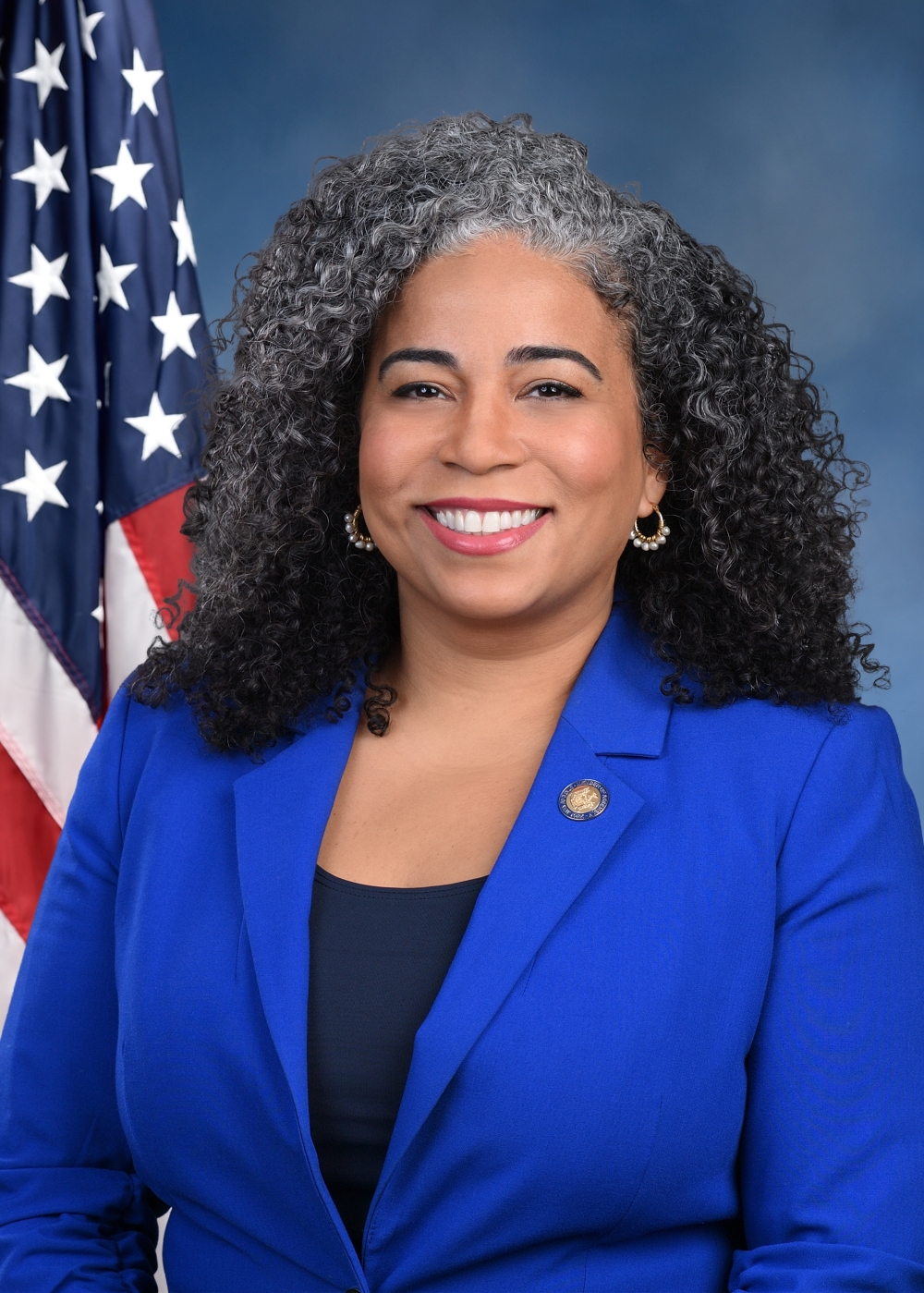
Asm. Karines Reyes
Sponsored bills
Maddy summaryThis bill authorizes the direct shipment of liquor, cider, mead, and braggot across state lines into New York, expanding on existing rules that already allow wine to be shipped directly to consumers. To participate, out-of-state distilleries must obtain a specific license from the state authority, pay an annual fee, and agree to ship no more than thirty-six cases per year to residents who are at least twenty-one years old. The legislation requires strict safety measures, including age verification at delivery, clear labeling on shipping containers, and the maintenance of detailed records for tax and audit purposes. Additionally, the bill establishes that these sales are subject to New York state and local taxes, ensuring that revenue is collected at the point of delivery.
Requires the advisory council on maternal mortality and morbidity to undertake a review of the cesarean births at hospitals in the state; requires two licensed midwives to be on the advisory council.
Includes entities that provide employment or services to formerly incarcerated persons in the preferred source exemption for purposes of state purchasing.
Deems a person who engages in sexual conduct during the period of their probation with his or her supervising probation officer as being incapable of consent.
Maddy summaryThis bill expands the State Commission of Correction from three to nine members to include a broader range of perspectives in overseeing the state's correctional system. The new commission will consist of appointees from the governor, the Assembly speaker, the Senate temporary president, and the correctional association, with specific requirements that at least one member be a formerly incarcerated individual, a public health professional, a behavioral health expert, or an attorney specializing in prisoner rights. To ensure stability and balance, members will serve staggered five-year terms with a limit of ten years total, and the appointing authority for each member will have the power to remove them for cause.
Prohibits utility corporations from imposing late fees, interest, or penalties during an investigation by the commission; allows retroactive late fees, interest, or penalties if a determination is made in favor of such utility corporation; prohibits utility services from being terminated during an investigation by the commission; requires utility corporations to notify customers of investigations; requires notice to the general public.
Maddy summaryThis bill prohibits state-operated hospitals, university health facilities, and cancer institutes from suing patients to collect medical debt. It defines medical debt as any amount owed for health care services, products, devices, or ambulance care provided by licensed providers. The law applies specifically to these public institutions and bars them from filing civil or supreme court lawsuits against individuals for such debts. The provision takes effect immediately upon passage.
Requires public notice and public engagement when a general hospital seeks to close entirely or a unit that provides maternity, mental health or substance use care.
Maddy summaryThis bill, known as the Fashion Environmental Accountability Act, requires large fashion retailers to conduct standardized environmental due diligence on their supply chains and creates a remediation fund to address harms. It applies to businesses selling new clothing, shoes, or bags with over $100 million in annual revenue, excluding used clothing sellers and most multi-brand retailers. Companies must map their suppliers across four tiers, from raw material providers to finished goods manufacturers, and report on their efforts to prevent or mitigate environmental damage. The legislation mandates that these reports be independently verified and published using open data principles, while defining a "living wage" as a key standard for worker compensation.