

Relates to the conversion to condominium ownership for the preservation of expiring affordable housing in the city of New York; provides expanded homeownership opportunities from the conversion of certain residential rental buildings to condominium status by property owners that commit to preserve the inventory of expiring affordable housing in the city of New York.
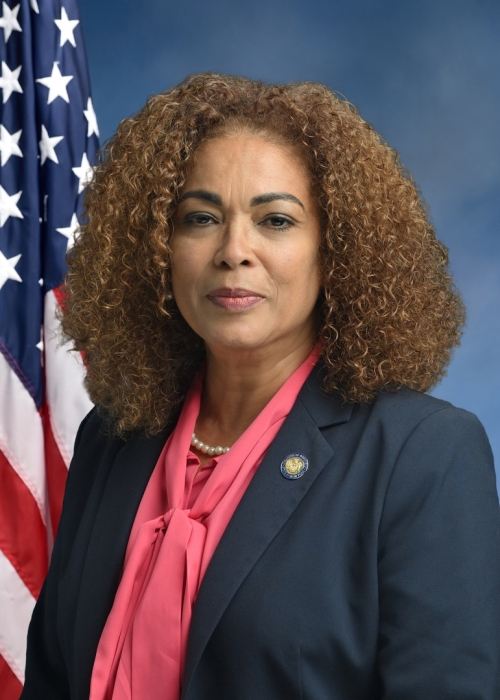
Asm. Yudelka Tapia
Sponsored bills
Repeals certain provisions regarding the adoption of a new or revised city charter proposed by a charter commission which limits the submission of questions to a city's qualified electors; eliminates the rule that provides that whenever a city charter commission puts a proposal on the local ballot, all other local referendum proposals are barred from the ballot.
Establishes a fiscal cliff task force to conduct a study on fiscal cliffs in the state's public assistance programs and to make recommendations related thereto.
Maddy summaryThis bill (A 1395) expands who can authorize the donation of a deceased person's body for medical education or research. It amends New York's public health law to add "a close friend" (as legally defined) to the list of individuals permitted to make such anatomical gifts, alongside family members and guardians. The law clarifies that if multiple eligible close friends exist, the donation requires agreement from a majority of those reasonably available. This change streamlines the process for body donations after death while explicitly including close friends in the decision-making authority.
Requires hospitals to permit an interpreter to remain with a deaf, hard of hearing or nonverbal patient during admission to a hospital until appropriate hospital staff is assigned to interpret.
Maddy summaryThis bill adds a new option for New York residents to register for the Donate Life Registry (which facilitates organ, eye, and tissue donations) through mandatory electronic personal income tax filings. It requires the state to include a clear checkbox on tax forms asking, "Would you like to be added to the Donate Life Registry? Check box for 'yes' or 'skip this question'." This expands existing registration methods - which include driver's license applications, health insurance enrollment, and college financial aid forms - to include tax filings for those required to file electronically. The change applies to all taxpayers submitting income tax documents via electronic means, making organ donation registration more accessible during routine state interactions.
Establishes the New York road salt reduction council and the New York road salt reduction advisory committee to provide a mechanism for interagency cooperation and coordination to implement the recommendations of the report of the Adirondack road salt reduction task force.
Requires contractors and subcontractors performing construction work for covered renewable energy systems to use apprenticeship agreements; requires thermal energy networks to require contractors and subcontractors to use pre-apprenticeship direct entry providers registered with the department of labor.
Maddy summaryThis bill extends the expiration date for free one-day admission to the New York Zoological Park from December 31, 2025, to December 31, 2030. It directly affects visitors who currently qualify for or may use this free admission benefit. The bill amends a 1991 law governing the New York Zoological Society by updating the expiration date in Section 3 of the statute. This change ensures the free admission policy remains in effect through 2030 without requiring new legislative action. The bill was signed into law on August 7, 2025, after passing both legislative chambers.
Maddy summaryThis bill creates tax credits for businesses relocating to New York City (population over 1 million) from outside New York State. It requires qualifying businesses to maintain a minimum number of employee work hours at eligible locations (10,000+ square feet in NYC) and obtain annual city certifications from the mayor or designated agencies. Businesses must document eligibility, including proof of relocation after July 2025 and meeting specific employment thresholds, with new applications barred after July 1, 2028. The policy directly affects businesses moving operations to NYC, offering tax relief tied to sustained local employment.