

Grants medical assistance eligibility for organ transplant expenses for residents of New York who are otherwise eligible for benefits except for their immigration status.
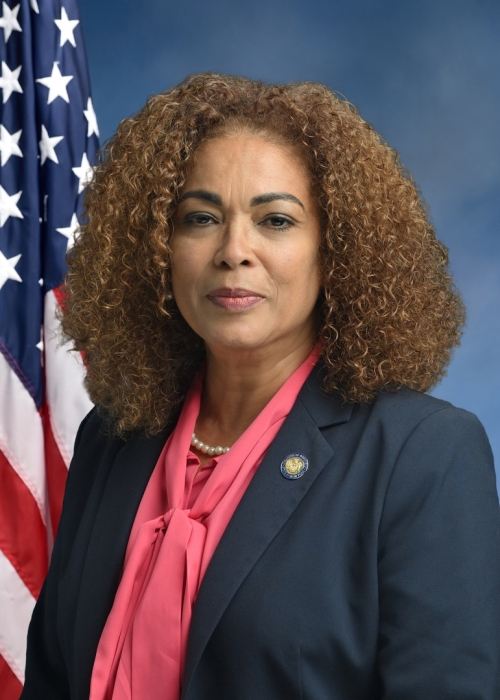
Asm. Yudelka Tapia
Sponsored bills
Establishes the "New York student loan assistance and home purchase act", for the purposes of facilitating the purchase of homes by individuals who are burdened by student debt, by providing financing opportunities for the consolidation of student debt into a mortgage.
Establishes a civil remedy for the protection of animals denied proper care by creating a special proceeding in the supreme court that will hold owners and caretakers liable if such animals under their care are mistreated.
Maddy summaryThis bill (A 6192) establishes a 5-year moratorium on the land application, sale, and distribution of biosolids and products containing them for agricultural or landscaping use (like fertilizer or soil amendment). It directly affects wastewater treatment facilities, farmers, and businesses using biosolids-derived products, banning their use on crops, parks, golf courses, and similar non-crop lands. The moratorium excludes landfill disposal of biosolids and certain composts made from food waste, manure, or crop residues (not biosolids). Violations carry fines up to $2,500 per offense plus daily penalties.
Maddy summaryThis bill (A 7456) requires lobbyists to register and disclose details about efforts to influence the nomination or confirmation of individuals for state offices that require Senate approval. It expands existing lobbying disclosure rules to specifically include "offices and nominees or potential nominees" as a required disclosure point for lobbyists. The key mechanism adds this requirement to multiple sections of the legislative law, mandating that lobbyists report the specific offices and nominees they are lobbying for. This affects lobbyists working on appointments to state positions subject to Senate confirmation, such as judges or agency heads.
Provides that recounts of ballots conducted by the board of elections or a bipartisan committee appointed by the board can be either done manually or via the use of any automated tool authorized for such use by the board of elections, which is independent from the voting system it is being used to recount, of all ballots for a particular contest where the margin of victory is less than or equal to 0.5% but greater than 0.25%; allows for losing candidates to deny a recount before any recount is conducted.
Expands health care services provided by telehealth to include services delivered through a facility licensed under article twenty-eight of the public health law that is eligible to be designated or has received a designation as a federally qualified health center, including those facilities that are also licensed under article thirty-one or article thirty-two of the mental hygiene law.
Requires manufacturers of internet-enabled devices to conduct commercially reasonable age assurance to determine whether a user is a covered minor and shall provide all websites, online services, online applications and mobile applications on such user's internet-enabled device and/or application store manufactured by the covered manufacturer with a digital signal that such user is a covered minor via a real-time application programming interface (API).
Requires vision screening in public schools using examination devices and testing methods as may be authorized in the regulations of the commissioner of education, including but not limited to, the Snellen Eye Test Chart and automated vision screening devices.
Maddy summaryThis bill establishes a licensing and regulatory framework for "earned income access" services, which allow workers to receive early payments of wages earned but not yet paid by their employer. It requires providers (excluding banks and certain financial institutions) to obtain a license from the superintendent of banking, sets a fee cap of $5 for transactions under $75 or $7 for larger amounts, and mandates clear consumer disclosures. Key provisions include mandatory licensing, restrictions on advertising, data collection requirements, and penalties for violations. The law directly affects businesses offering early wage access services and aims to protect workers from excessive fees through standardized regulation.