

Requires the commissioner of health to promulgate regulations requiring that the addition of, decertification of, or changes in the method of delivery of perinatal services by a general hospital be subject to an application under article 28 of the public health law that requires review and approval by the council.
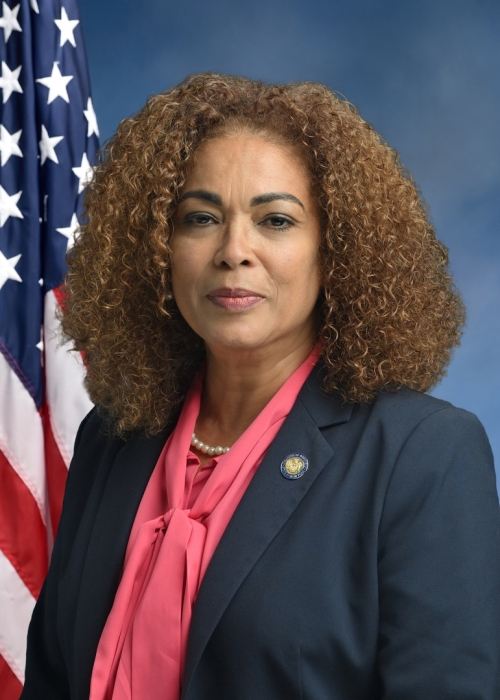
Asm. Yudelka Tapia
Sponsored bills
Maddy summaryThis bill prohibits involuntary servitude and forced labor in all New York state and local correctional facilities, directly affecting incarcerated individuals. It amends the Civil Rights Law to explicitly ban slavery, involuntary servitude, and forced labor for all people in New York - including those convicted of crimes - and adds a new Correction Law section prohibiting any labor compelled through force, threats, or adverse actions (like disciplinary measures). The law makes it illegal for facilities to require labor against an individual's will using coercion or fear of punishment. This represents a concrete legal change to end forced labor practices within New York's prison system.
Establishes a publicly available database of business entities in the state that enter into procurement contracts with procuring entities in the state; requires such database to include, among other things, the name of the business entity, the current business street address and county associated with each business street address, and the full name of each beneficial owner.
Establishes the office of organized retail theft within the department of law to receive and investigate complaints from any source, or upon its own initiative, of allegations involving the use and role of organized retail theft.
Relates to the assessment of extraordinary needs count for purposes of the apportionment of public moneys to school districts employing eight or more teachers; defines count of homeless children and children or youth in foster care.
Waives Unemployment Pandemic Benefits repayments in whole or in part if the payment of such pandemic unemployment assistance was without fault on the part of the claimant and such repayment would be contrary to equity and good conscience.
Suspends all unnecessary travel to states that have discriminatory laws for access to women's reproductive health services, including but not limited to, limitations on access to abortions after six weeks of pregnancy.
Maddy summaryThis bill increases the standard fee that New York notaries public can charge for common services from $2 to $5 per transaction. It directly affects notaries by raising fees for administering oaths, certifying acknowledgments of documents, and swearing witnesses. The key provision updates Section 136 of the executive law to replace all instances of "$2" with "$5" for these specific notarial acts. Electronic notarial services are excluded from this change and will continue to be regulated separately. The bill takes effect immediately upon enactment.
Maddy summaryThis bill (A 1341) creates a New York state mobile application for Medicaid-eligible individuals who are pregnant, postpartum, or seeking prenatal care. The app must provide New York-specific health resources, program links, and multilingual support, developed through a competitive state contract. Developers must share anonymized usage data (like user numbers and engagement) with lawmakers but cannot sell or share personal user information. The app must meet state health standards and be accessible across all mobile platforms.
Maddy summaryThis bill creates a new civil lawsuit pathway for individuals whose constitutional or federal rights were violated by government actors (such as police, courts, or public officials). It allows victims to sue for damages and court-ordered remedies, removes common defenses like "I thought it was legal," and requires courts to award attorney fees to winning plaintiffs - even if the case settles without a formal judgment. Public entities (like cities or state agencies) must cover their employees' legal costs if sued under this law, and lawsuits must be filed within three years of the violation. It directly affects people harmed by government overreach, ensuring they have a clear legal route to seek redress for rights violations.