

Maddy summaryThis bill removes specific eligibility restrictions for Medicaid home care services in New York. It repeals a provision requiring individuals seeking home care to meet strict activity-of-daily-living criteria (like needing assistance with multiple tasks) or dementia-related supervision levels. The change directly affects Medicaid recipients needing home care services, particularly those with dementia or Alzheimer's who previously faced these barriers. The policy shift simplifies eligibility by eliminating these prior requirements for people applying on or after October 1, 2020. The bill modifies New York's social services law to broaden access to home care services under Medicaid.
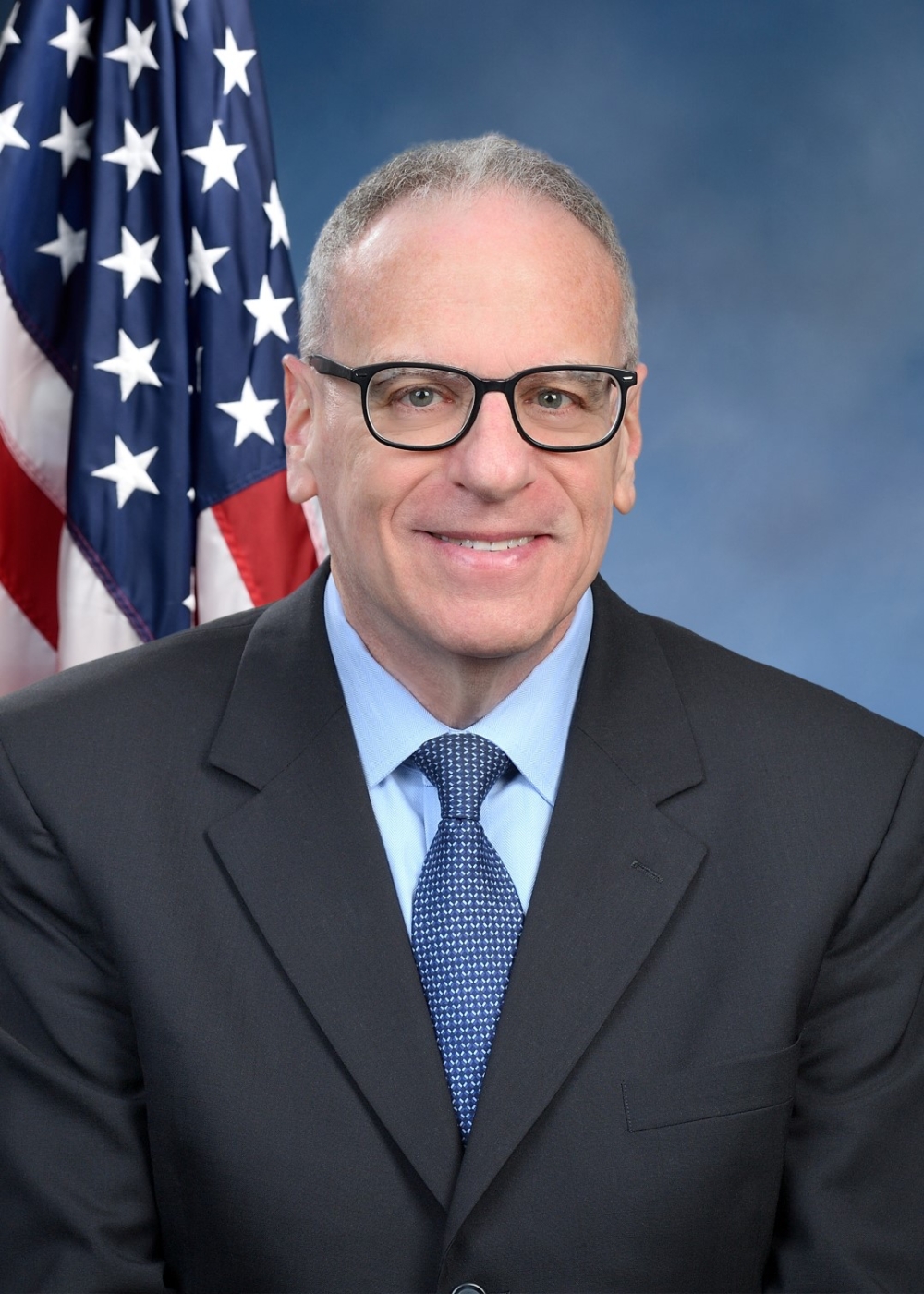
Asm. Jeffrey Dinowitz
Sponsored bills
Clarifies certain provisions relating to the prohibition on budget planning; allows the attorney general to apply for an order enjoining or restraining commission or continuance of violations.
Maddy summaryThis bill requires the state education commissioner to develop age-appropriate curriculum about the historical treatment of lesbian, gay, bisexual, transgender, and gender non-conforming individuals for school districts. Schools may integrate this material into social studies or other subjects as they determine appropriate. The curriculum must be tailored to different grade levels and does not need to be uniform across the state. It applies to school years starting July 1, 2026, with implementation rules to be finalized before that date. The bill directly affects public school districts and students by mandating this historical content in educational programming.
Maddy summaryThis bill establishes a new health coverage option under New York's 1332 state innovation program, allowing the state to create a health plan for specific uninsured New Yorkers who don't qualify for Medicaid or ACA marketplace plans. It directly affects residents under 65 with household incomes between 133% and 250% of the federal poverty line, including some noncitizens ineligible for Medicaid due to immigration status. Key provisions include requiring coverage for essential health services (like cancer care access at Medicaid rates, dental, vision, and chronic illness support), automatic enrollment for children born to eligible parents, and continued coverage during pregnancy for one year postpartum. The program requires federal approval under the ACA's Section 1332 waiver process and operates alongside existing Medicaid and marketplace plans.
Requires employers to notify employees if they come into contact with other employees who have been diagnosed in relation to a disease outbreak causing a public health emergency; prohibits employers from disclosing the name of the diagnosed employee.
Maddy summaryThis bill extends New York City's on-demand E-hail paratransit pilot program until March 31, 2027, and requires expanding it to include 1,200 additional Access-A-Ride paratransit users by March 2026. The program allows eligible Access-A-Ride users to book immediate rides via smartphone app or phone, with fares matching standard bus/subway base rates and service hours aligned with regular transit. Expansion must use existing 2019 funding levels and select a representative sample of users across age, disability, location, and ride frequency. The Metropolitan Transportation Authority must report on pilot usage, costs, and ridership by April 2027.
Imposes an additional tax surcharge on certain non-primary residence class one and class two properties in a city with a population of one million or more.
Maddy summaryThis bill authorizes New York's Department of Health to conduct or fund research on how artificial night light affects human health, including potential links to increased breast cancer risk through melatonin suppression. It directly affects the Department of Health, giving it new authority to pursue this research within existing state and external funding. The key provision adds a specific research mandate to the Public Health Law, requiring the department to study health impacts using available funds from state, public, or private sources. The bill does not create new spending or change existing regulations, only expanding the department's research scope.
Maddy summaryThis bill authorizes licensed pharmacists to administer flu vaccinations to individuals aged nine years or older. It amends the education law to explicitly permit pharmacists to provide flu shots without requiring a separate physician order for this specific service. The change directly affects pharmacists by expanding their scope of practice and the public by increasing access to flu vaccinations for children (starting at age 9) and adults at pharmacies. This is a straightforward policy update that modifies existing law to allow broader flu shot availability through pharmacy settings.
Prohibits upon the vacancy of an unsold condominium or cooperative dwelling unit, the rental of such unit unless the original offering plan provided for such rental and a majority of the members of the condominium or cooperative agree thereto; generally requires the sale of such units.