

Requires general hospitals to have a registered professional nurse as a sitting and voting member of the governing entity responsible for developing a hospital's strategic plan, structure, systems, policies and programs.
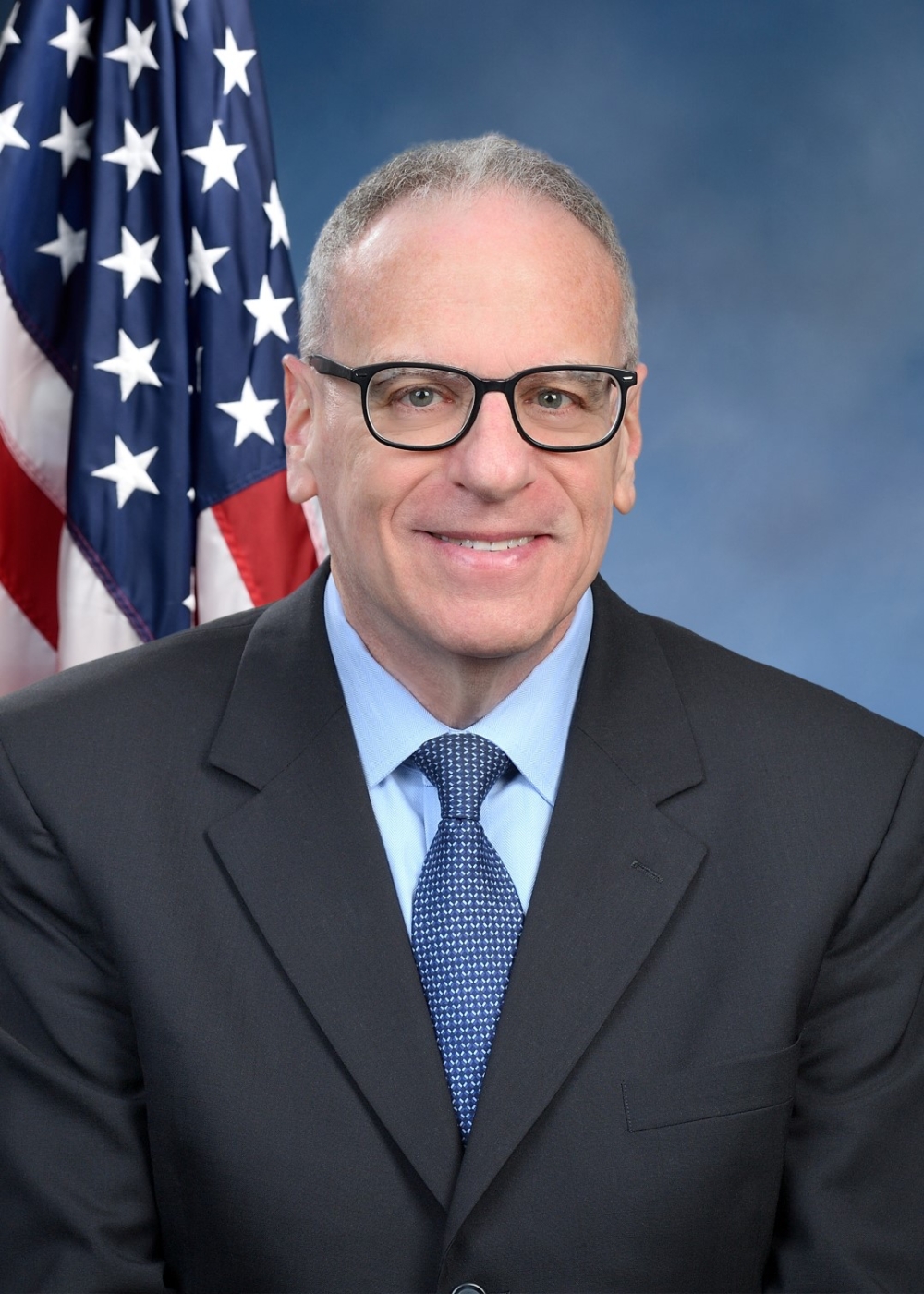
Asm. Jeffrey Dinowitz
Sponsored bills
Maddy summaryThis bill requires New York's Commissioner of Health to establish regional minimum hourly reimbursement rates for home care providers serving Medicaid patients. It directly affects home care agencies and providers who employ home care aides, mandating rates that cover all necessary costs - including base wages, benefits, payroll taxes, operational expenses, and compliance costs. The rates must be set regionally based on actual service costs, adjusted annually to reflect labor law changes, and published publicly. Providers must justify any contract rates below these minimums, and the comptroller can audit contracts to ensure adequacy. The goal is to ensure reimbursement rates support fair wages and operational needs for home care workers under Medicaid.
Establishes the teachers' fossil fuel divestment act; requires the New York state teachers' retirement system to divest the retirement system of any stocks, securities, equities, assets, or other obligations of corporations or companies included on an exclusion list of coal producers and oil and gas producers.
Provides that restaurants and third-party food delivery services may provide single-use food service items to customers when explicitly requested by the customer; prohibits certain plastic single-use items.
Maddy summaryThis bill establishes new felony crimes for reckless endangerment of emergency service personnel, including firefighters, police officers, and building inspectors. It defines "reckless endangerment in the second degree" as knowingly altering a building without a required permit, violating building or fire codes in a way that impedes exit, and this conduct results in injury to an emergency service person during an emergency evacuation. The crime becomes "first degree" if the same actions lead to the death of an emergency service person or if the offender has a previous conviction for this offense within ten years. These offenses are classified as Class E and Class D felonies, respectively.
Requires certain businesses to offer identity theft prevention and mitigation services in the case of a security breach; exempts businesses under financial hardship.
Maddy summaryThis bill increases fines for violating public health laws. It raises penalties for nursing home and hospital operators from $3,000 to $5,000 per violation, with repeat offenses or violations causing harm now carrying up to $10,000 or $20,000 fines. Excess fines collected beyond $2,000 per violation go to a patient safety center, while nursing home fines over $10,000 fund quality improvement programs for nursing homes. The changes apply directly to healthcare facilities and their operators under New York's public health and social services laws.
Enacts the "New York Stock Act"; prohibits public officers and employees from using nonpublic information derived from their official positions for personal benefit.
Establishes the "public interest legal services loan assistance fund" of the state of New York (to consist of a portion of bar examination fees and other funds appropriated by the legislature therefor and such other monies as may be credited or otherwise transferred from any other fund or source pursuant to law, including voluntary contributions); provides for administration of such fund to assist public service attorneys practicing public interest law in repaying their student loans; defines certain terms and adds other related provisions.
Maddy summaryThis bill (A 3956) requires all newborns in New York to be screened for cytomegalovirus (CMV) using a specialized blood spot or urine test within the first 21 days of life. It directly affects every newborn and their parents, as parents may opt out of the screening. The law mandates screening via dried blood spot or urine PCR testing, with the health commissioner allowed to approve alternative equivalent tests through regulations. The bill amends Public Health Law to add this requirement, effective 180 days after enactment.