Relates to information available pertaining to rental histories of rent stabilized units through FOIL applications by the NYS division of housing and community renewal.
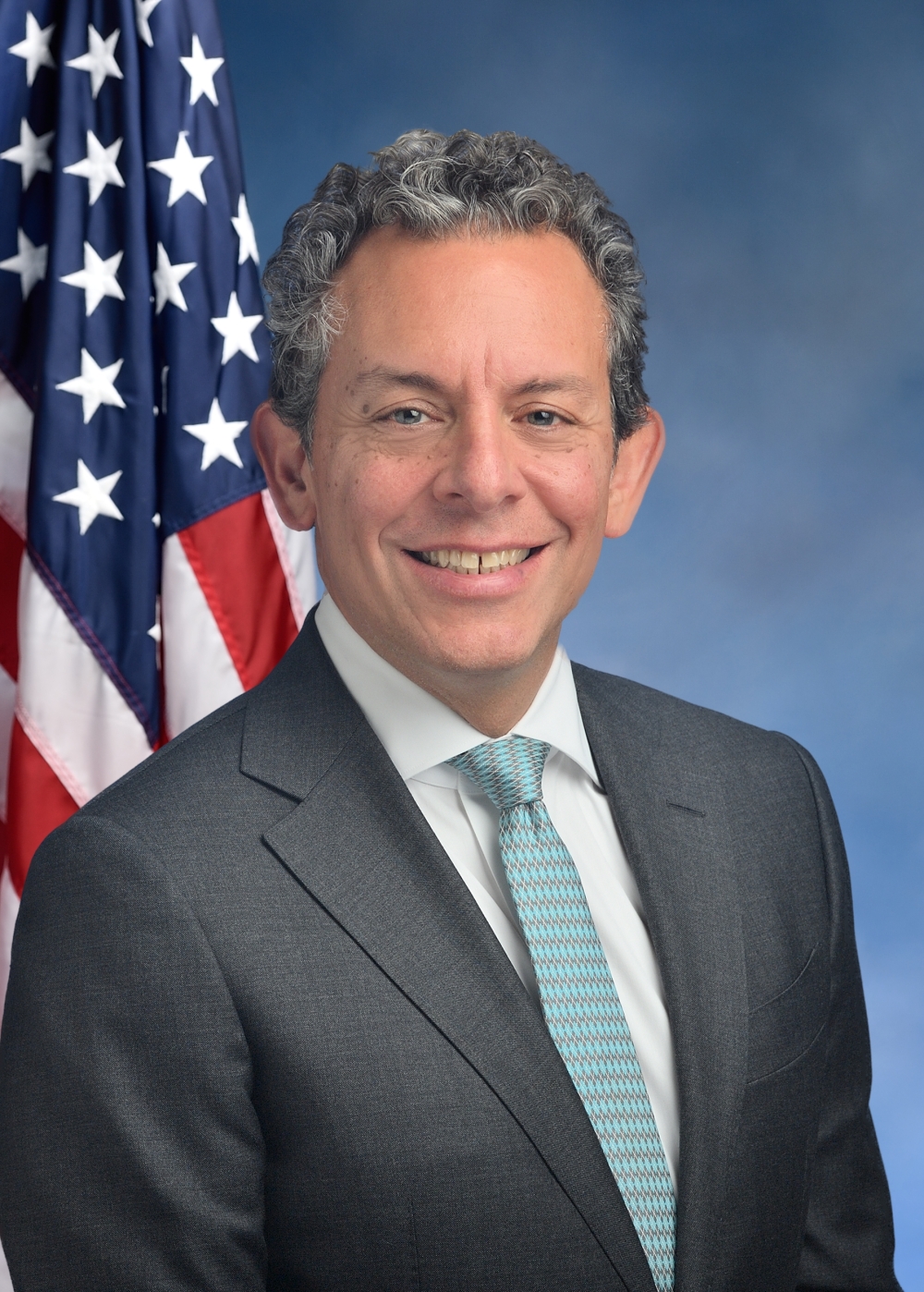
Asm. Tony Simone
Sponsored bills
Enacts the "Joseph Fletcher act"; permits certain claims by essential employees for compensation based on death due to COVID-19 which were previously denied or not timely filed.
Maddy summaryThis bill prohibits housing discrimination based on dog breed, size, or weight. It prevents public housing authorities and landlords from denying occupancy, evicting tenants, or restricting leases solely because a tenant owns a specific dog breed. The law allows reasonable safety rules for all dogs (including dangerous dogs under existing law) but bans blanket breed restrictions. It applies to public housing projects and private rental properties, taking effect immediately upon passage.
Maddy summaryThis bill updates the definitions and requirements for organizations that provide fiscal intermediary services within the consumer directed personal assistance program. It establishes a new category of "Fiscal intermediary" alongside the existing "Statewide fiscal intermediary," allowing certain entities, like those with Department of Health contracts or independent living centers, to operate in this role. These new fiscal intermediaries will have the same status as the Statewide fiscal intermediary and can directly contract with managed care plans and other programs. The bill also removes the procurement process requirement for the Statewide fiscal intermediary and streamlines registration rules for these service providers.

Maddy summaryBill A 6586 requires health insurance plans and Medicaid to cover patient navigation services for individuals with serious conditions expected to last at least three months and at high risk of hospitalization, nursing home placement, or health decline. These services help connect patients to social supports like transportation, housing, food assistance, and healthcare appointments, and include referrals, enrollment help, and care coordination. Certified navigators (trained through approved programs) must provide these services under a healthcare provider's supervision. The law applies to all medical, major medical, and comprehensive insurance policies, ensuring coverage for high-risk patients who need help accessing care.
Maddy summaryThis bill (A 6096) requires homeless shelters in New York State to undergo quarterly unannounced inspections. It directs the Office of Temporary and Disability Assistance to create rules mandating at least four annual inspections per shelter, with one inspection each quarter. The inspections will be conducted by the state department or local social services districts. The bill takes immediate effect upon enactment.
Maddy summaryThis bill exempts the Metropolitan Transportation Authority (MTA) from a requirement that other public benefit corporations must reimburse New York State for state services provided to them. The legislation amends a law to specifically exclude the MTA from the reimbursement obligation, which previously applied to similar state-created entities. This change directly affects the MTA by removing a financial obligation to the state for services like administrative support or regulatory oversight. The bill does not alter the MTA's core operations or funding mechanisms, only removing this specific reimbursement requirement.
Creates an elder court pilot program to study the effectiveness of senior-specific judicial programming especially involving elder abuse and domestic violence.
Maddy summaryThis bill (A 5001) requires New York state agencies to conduct cost comparisons before signing consultant contracts exceeding $1 million annually. It mandates agencies to evaluate whether state employees could provide the same services at equal or lower cost, excluding legal services and construction contracts. If savings exceed 10%, agencies must develop a business plan analyzing options, performance risks, and quality standards, and notify affected employees if layoffs may occur. The plan must then be reviewed by the state comptroller, who has 90 days to approve or disapprove it.
Maddy summaryThis bill requires developers seeking permits for major projects near low-income or minority neighborhoods to submit a detailed public engagement plan. The plan must include maps of the community, locations of sensitive sites like schools, a schedule for at least three public meetings, and materials in plain language translated into common community languages. Applicants must also provide quarterly progress reports and ensure community input influences project design. This applies to projects within one mile of designated disadvantaged communities, aiming to improve transparency and community involvement in environmental permitting.