

Maddy summaryThis bill requires New York state-owned parking facilities with at least 50 spaces to install electric vehicle charging stations in a percentage of spots ranging from 10% to 20%, depending on the facility's total size. The Office of General Services is tasked with installing and maintaining these stations, which must meet specific electrical capacity standards, and is authorized to hire licensed electricians if upgrades to the power system are needed. The law applies to public, employee, and pay-per-use parking areas and would have taken effect on April 1 of the following year. However, the bill was vetoed by the Governor in December 2024 and subsequently tabled, meaning it did not become law.
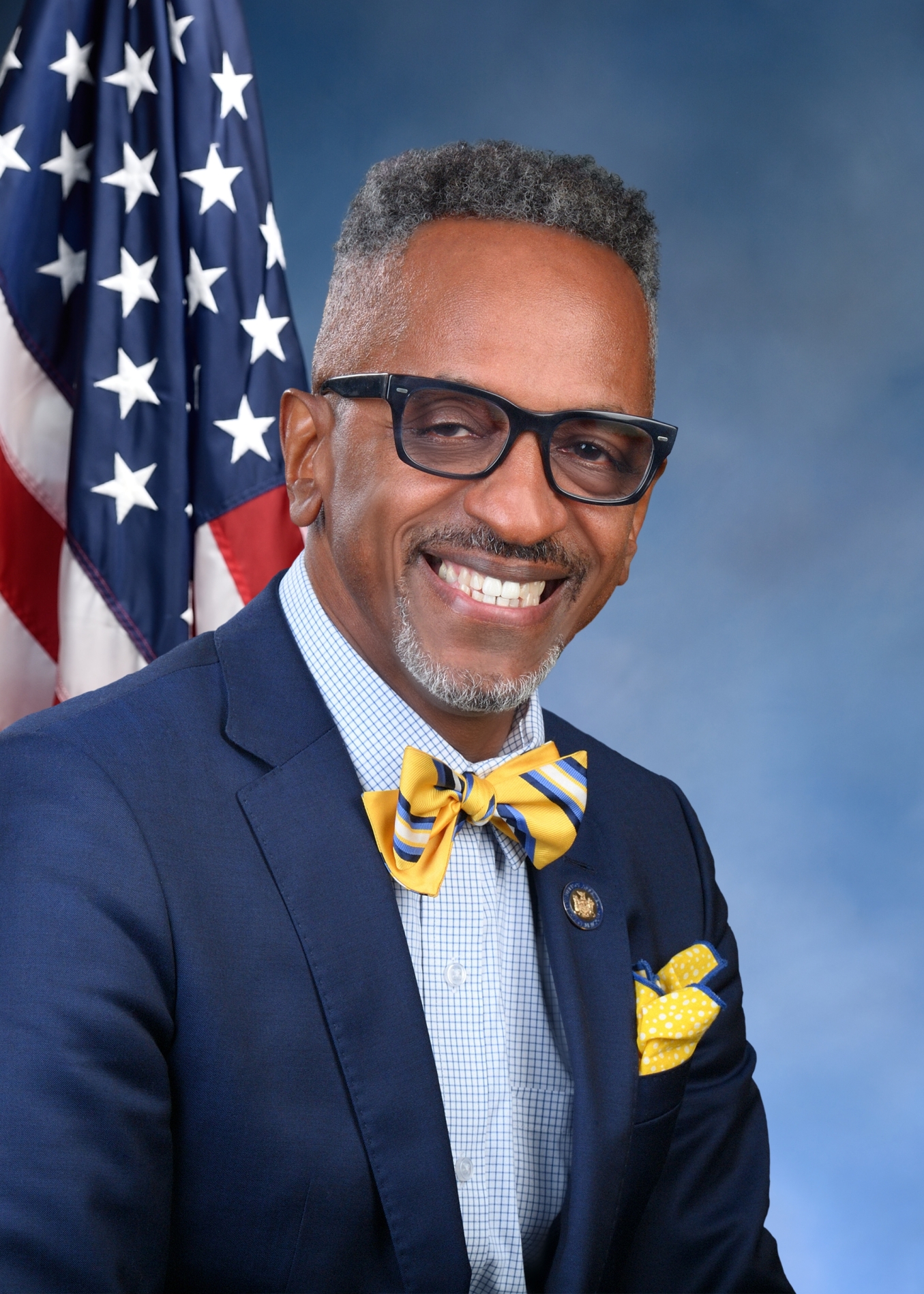
Asm. Al Taylor
Sponsored bills
Maddy summaryThis bill updates the laws governing wrongful death lawsuits to clarify exactly what types of money can be awarded to the surviving family members of a deceased person. It explicitly allows juries or courts to grant compensation for funeral costs, medical bills incurred before death, grief, and the loss of financial support, guidance, and companionship. The legislation also defines who is eligible to receive these damages, including spouses, domestic partners, children, parents, and individuals who stood in a parent-like role to the deceased. Additionally, the bill sets specific rules for how the awarded money must be shared among eligible survivors based on their individual losses and outlines how legal fees and other expenses are handled.
Maddy summaryThis bill designates East Harlem, also known as "El Barrio," as a cultural district by amending the state's arts and cultural affairs law. The legislation defines the district's boundaries as the area between East 96th and 125th Streets, bounded by Fifth Avenue and the East River. Once designated, the Council on the Arts is authorized to provide grants, technical assistance, and other support to cultural institutions within this specific region to promote its cultural significance. The law also allows the council to designate additional cultural districts in the future, provided they are compact, contiguous areas with a shared cultural heritage.
Maddy summaryThis bill authorizes the state's department of economic development to prioritize tourist promotion agencies that support the sport of stickball. It amends existing economic development laws to allow the department to provide funding specifically for stickball promotion while also noting a preference for agencies promoting cricket. The legislation takes effect approximately 270 days after it is signed into law.
Maddy summaryThis New York law prohibits businesses from using social media platforms to collect debts from consumers. It defines a social media platform as a service that allows users to create profiles, connect with others, and share content, while excluding simple email or direct messaging tools. The bill aims to stop companies from posting debt notices on public feeds or sending harassing messages through social networks. Once signed into law, this rule immediately applies to all debt collection activities involving these digital services within the state.
Maddy summaryThis bill establishes new rules for automobile brokers, requiring them to maintain a permanent physical location for their business and update their registration within thirty days if that address changes. It mandates that written contracts between brokers and consumers must include specific details such as the vehicle description, total price, estimated delivery date, and a clear statement that the broker cannot charge fees from both the buyer and the dealer. Additionally, the law requires these contracts to be easily cancellable with a full refund processed within ten business days if the final price exceeds the estimate by more than five percent or if the car is not delivered within thirty days of the estimated date. The legislation also enforces stricter advertising standards and requires that all mandatory contract terms be printed in bold, twelve-point type to ensure they are clearly visible to consumers.
Maddy summaryThis bill updates the rules for issuing certificates of relief from disabilities, which are legal documents that remove barriers for individuals with criminal records. It requires both courts and the Department of Corrections to verify three specific conditions before granting these certificates: the applicant must be an eligible offender, the relief must support their rehabilitation, and the decision must serve the public interest. By codifying these requirements, the legislation ensures a consistent standard for evaluating applications regardless of whether the request comes from a judge or a state agency. The changes take effect approximately 90 days after the law is signed.
Prevents the displacement of call center workers who provide call center services for the government in certain circumstances; provides protections for call center workers when contracts with call center contractors are terminated; requires new call center contractors to hire existing call center workers; protects collective bargaining agreements.
Expands the definition of mental health care provider to include licensed mental health counselors and licensed marriage and family therapists, for purposes of certain sex offenses committed during a treatment session, consultation, interview, or examination.
Enacts the "gender identity respect, dignity and safety act"; relates to the treatment and placement of incarcerated individuals based upon gender identity; requires that incarcerated individuals in state and local correctional facilities who have a gender identity different from their assigned sex at birth be addressed and have access to commissary items, clothing and other materials that are consistent with the person's gender identity; establishes that incarcerated individuals shall be presumptively placed in a correctional facility with persons of the gender that most closely aligns with such person's self-attested gender identity unless the person opts out of such placement.