Establishes the youth justice innovation fund to make funds available to community-based organizations for services and programs with the purpose of youth development and preventing youth arrest and incarceration.
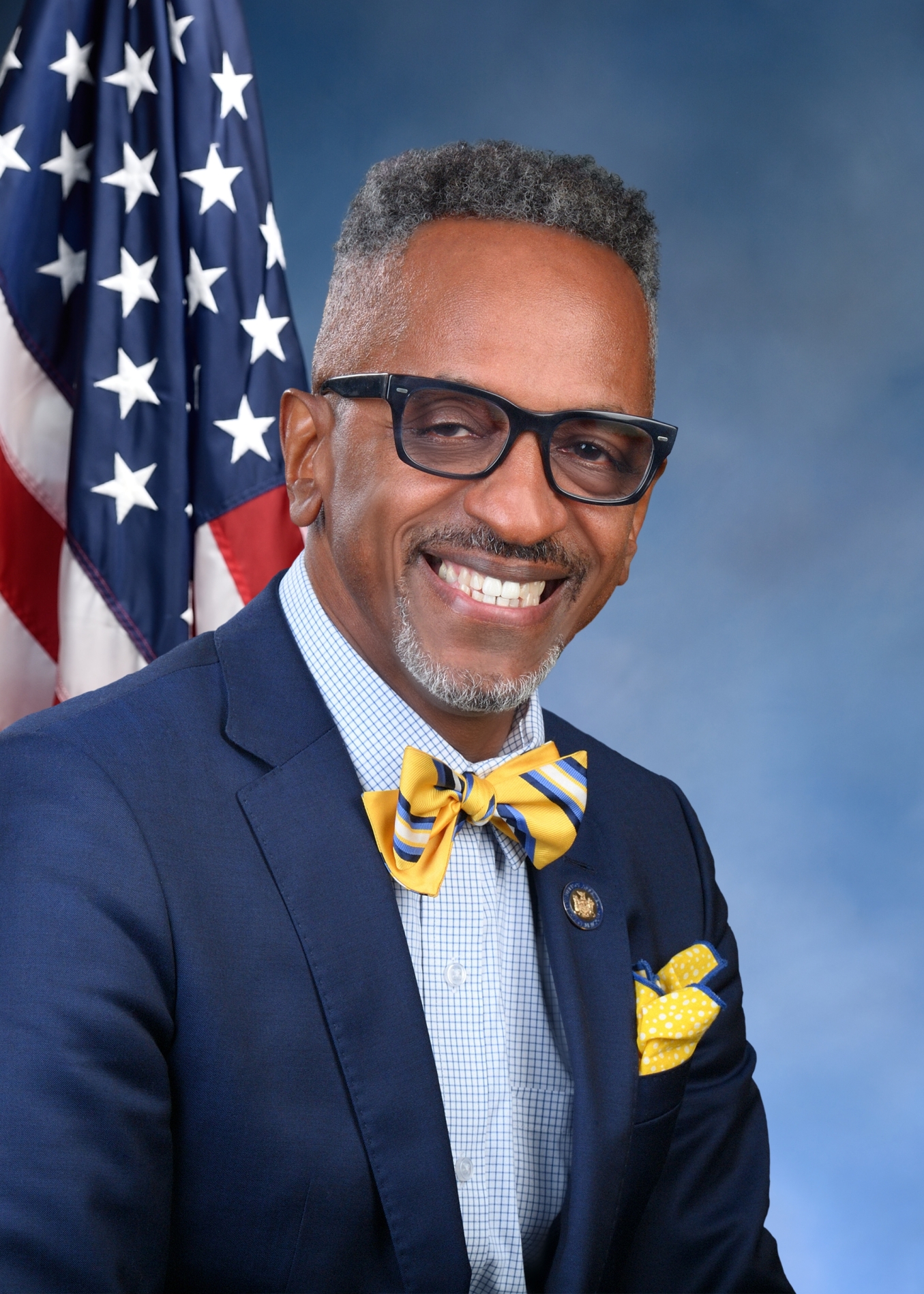
Asm. Al Taylor
Sponsored bills
Maddy summaryBill A 1316 prohibits employers, labor organizations, employment agencies, and state or municipal agencies from using an individual's consumer credit history when making decisions about hiring, employment, or granting licenses and permits. This includes information from credit reports, credit scores, and details about an individual's payment history or debts. The bill outlines specific exceptions where credit history can still be considered, such as for law enforcement positions, jobs requiring federal security clearance, or roles involving significant financial authority or access to trade secrets. Additionally, agencies can still consider an applicant's failure to pay taxes, fines, or court-ordered judgments.

Requires public-facing websites operated by political committees to contain "paid for by" language; adds such public-facing websites to the list of political communications that qualify as independent expenditures.
Maddy summaryThis bill requires New York State parks to actively promote farmers markets within state parks that sell locally grown food products, without harming park environments. It mandates parks officials to post market locations/times on their website, identify new park locations for markets, and coordinate with agencies like Empire State Development and Agriculture. The policy directly affects state parks management and farmers markets operating in park settings. It creates concrete requirements for information sharing and collaboration but does not fund or mandate new markets.
Maddy summaryThis bill allows county election boards to hire election inspectors and poll clerks to work split shifts (two separate work periods) with adjusted pay. It requires that at least one inspector and one clerk from each major political party must be present at every polling site for the entire time polls are open. County boards must establish rules to ensure proper polling site operations while implementing this shift policy. The bill directly affects election workers and county election boards managing polling site staffing.
Clarifies the definition of lithium-ion battery in relation to hazardous materials emergency response training for incidents involving such batteries.
Maddy summaryThis bill restricts certain harmful chemicals in menstrual products sold in New York State. It prohibits manufacturers from intentionally adding specific substances like lead, mercury, formaldehyde, phthalates, and PFAS (a class of chemicals including Teflon-like compounds) to products such as tampons, pads, and menstrual cups. Starting immediately upon the bill's effective date (12 months after enactment), these chemicals cannot be added as intentional ingredients, with future safety thresholds for remaining traces to be set by health and environmental agencies by 2029. The law applies to all distributors and sellers of menstrual products within New York.
Maddy summaryThis is a ceremonial resolution (not a law) commemorating the 2nd Annual Prince Hall Day at the New York State Capitol on March 18, 2025. It honors the Prince Hall Masons of New York for their historical significance as the first African American Masonic organization (founded 1775) and their ongoing community service. The resolution directs the legislature to pause its work for this event and formally recognizes their charitable efforts and leadership. It does not create new policies or affect any specific group beyond this symbolic recognition.
Authorizes the commissioner of health to adopt policies to exclude certain non-recurring items from income that would artificially inflate the availability of funds to meet current needs relating to eligibility for the program for elderly pharmaceutical insurance coverage.
Provides for the protection of health information; establishes requirements for communications to individuals about their health information; requires either written consent or a designated necessary purpose for the processing of an individual's health information.