

Maddy summaryThis bill (A 4154) requires New York State schools to include the Sandy Ground community - the oldest continuously inhabited free Black settlement in the U.S. - in the mandated curriculum on diversity, history, and human rights. It directs all public and private schools to teach students over age eight about Sandy Ground alongside topics like slavery, the Holocaust, and the Irish Famine. The law specifies that this content must be integrated into courses on citizenship, shared history, and human rights issues. The requirement applies to all schools statewide, with enforcement overseen by the education commissioner.
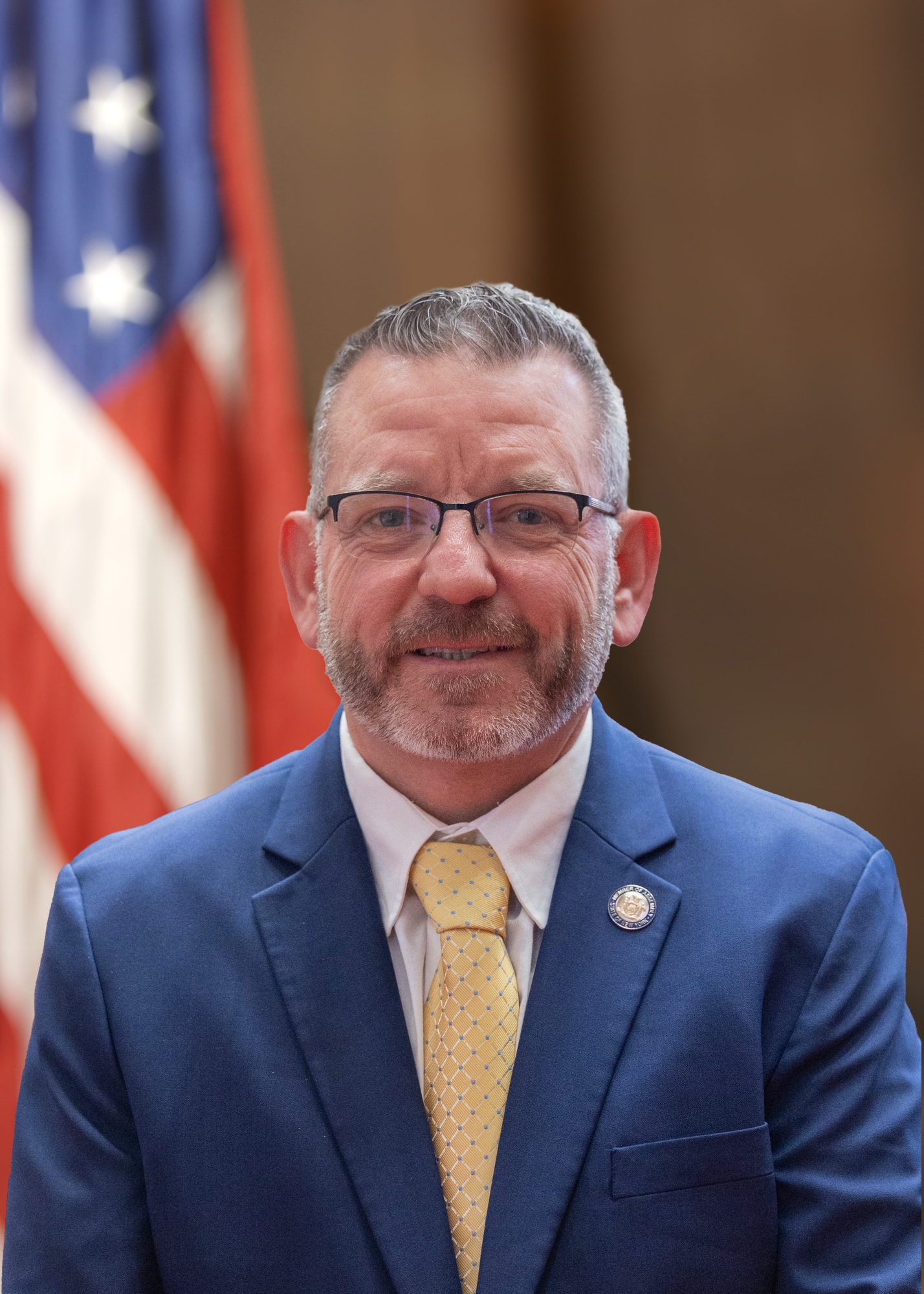
Asm. Mike Reilly
Sponsored bills
Maddy summaryThis bill upgrades penalties for riot-related offenses under New York's penal law. It reclassifies riot in the first degree as a class D felony (previously a class E felony) and both riot in the second degree and inciting riot as class E felonies (previously misdemeanors). The bill also ties riot charges to stricter bail rules, making individuals charged with riot offenses ineligible for release on their own recognizance if they simultaneously committed other crimes like arson or property damage during the disturbance. These changes directly affect people who participate in or incite riots, particularly during events involving property damage or harm to others.
Enacts the New York state nursing shortage correction act; establishes the New York state nursing recruitment incentive and retention program; defines terms; provides for tuition benefits and the reimbursement of student loans if a person is a registered and licensed nurse; provides that SUNY and CUNY shall pay for a person's education if such person signs a contract stating that such person shall work in New York state as a registered nurse; makes related provisions; establishes the New York state nursing recruitment incentive and retention account.
Provides that the current real property tax exemption for persons over 65 may also be extended to those persons who are totally and permanently disabled; requires that municipalities shall provide by local law that such exemptions shall be granted to either those 65 years of age or older or to those who are totally and permanently disabled, or to both categories of persons.
Relates to establishing the born alive abortion survivors' protection act that places requirements on health care practitioners present at the time a child is born alive during an abortion.
Maddy summaryThis bill (A 209) is a procedural change that amends New York City's administrative code to add "borough of parks" as an official designation for Staten Island. It does not alter the borough's boundaries, functions, or policies - it only updates the formal name used in city documents. The change affects how the borough is identified in official city records but has no impact on residents, services, or local governance. The bill directly modifies Section 2-202 of the city's administrative code.
Requires certain evidence or samples for DNA analysis to be accepted by the New York state police forensic investigation center from any firearm, rifle, shotgun, ammunition or magazine loading device when the sole charge is criminal possession of a weapon in the first degree, criminal possession of a weapon in the second degree, criminal possession of a weapon in the third degree, criminal possession of a weapon in the fourth degree and criminal possession of a firearm.
Requires a notice of a change in premium for a renewal of a commercial insurance policy shall be mailed or delivered at least ninety days in advance of the expiration date of such policy.
Directs the MTA to rename the Eltingville transit center the Iraq War and Afghanistan War Veterans' Memorial Transit Center; provides for the repeal of such provisions upon the expiration thereof.
Maddy summaryThis bill adjusts veterans' property tax exemption limits specifically for New York City (population over 1 million). It reduces maximum exemption amounts for qualifying veterans: from $7,500 to $2,000 for general military service exemptions, and from $8,000 to $3,200 for combat zone exemptions. The bill also lowers the cap for property purchased with veteran recognition funds from $5,000 to $2,000 in NYC. These changes directly affect veterans owning residential property in New York City who qualify for tax exemptions under state law.