

Maddy summaryThis bill expands New York's Opportunity Promise Scholarship to cover all SUNY and CUNY community college programs awarding associate's degrees in high-demand fields. It directly affects students enrolled in these programs, including those in fields like nursing, cybersecurity, engineering, and green energy. The key mechanism adds all approved SUNY/CUNY associate degree programs in designated high-demand fields (updated annually by the Department of Labor) to the scholarship's eligibility. The change applies immediately for the 2025-2026 academic year and beyond, broadening access to the scholarship.
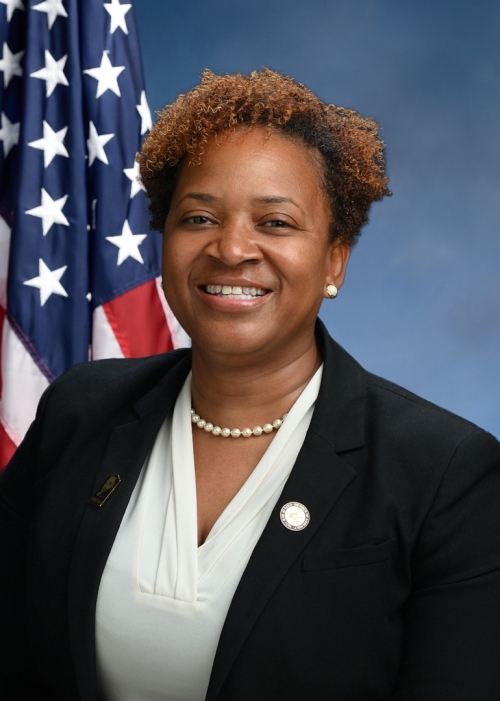
Asm. Nikki Lucas
Sponsored bills
Maddy summaryThis bill requires electric and gas utilities to establish and maintain reduced residential rates (25-35% lower) for low-income customers. It directly affects low-income households receiving benefits from programs like SSI, SNAP, LIHEAP, or TANF, and mandates utilities to simplify enrollment through data sharing with social services agencies. Utilities must cover the revenue loss from these discounts using existing funds (like uncommitted surcharge revenues or disallowed bonuses) instead of raising rates for other customers. The law requires all eligible customers to be enrolled by January 1, 2027, with utilities providing clear application information at service setup and on bills.
Provides additional enforcement of housing maintenance code violations in the city of New York; requires the department of housing preservation and development to produce a list of owners/landlords with multiple violations; directs HPD to commence proceedings to be appointed as the administrator of buildings with multiple, longstanding violations; provides additional penalties.
Establishes a five-year moratorium on foreign entities purchasing homes in New York state unless the purchase is for a primary residence; directs the department of state to conduct a study on the effects of the moratorium on the housing market and to send a report on the study to the legislature; specifies data and indicators to analyze for the study; defines terms.
Relates to establishing discount programs for low-income senior citizens and individuals with a disability; provides that utilities, waterworks corporations, telephone corporations and cable television companies shall create discount programs that provide a 10 percent discount to low-income senior citizens and individuals with a disability; defines terms.
Requires any regulation that mandates prior authorization to establish a mechanism for submission of requests for prior authorization by health care providers directly to the medical indemnity fund; requires the medical indemnity fund administrator to notify qualified plaintiffs which costs are qualifying health care costs to be paid from the fund and which are not within a reasonably prompt period of time.
Relates to the transparency and quality of care of operators of adult care facilities; requires certain applicants for adult care facilities to provide an opportunity for public comment on the application.
Maddy summaryThis bill (A 1724, "Hunger-Free Campus Act") creates a grant program to address student food insecurity at public colleges and universities. It requires qualifying campuses to meet specific standards - including establishing student-inclusive task forces, providing SNAP enrollment assistance, operating food pantries, and hosting awareness events - to earn "hunger-free campus" designation. Public institutions meeting these criteria receive competitive grants to fund food security initiatives like meal vouchers, pantry access, and SNAP outreach. The program mandates annual student hunger surveys and requires a two-year report to state leaders detailing grant usage, student impacts, and recommendations for future funding.
Prohibits any cannabis related advertisements in establishments within a certain distance from schools; increases penalties for prohibited advertisement of tobacco and cannabis products; requires enforcement inspections.
Maddy summaryThis bill creates a new commission within the executive department to coordinate public safety, emergency preparedness, and mental health efforts across state agencies. The commission, made up of agency heads (including the superintendent of state police and mental health commissioner), will work with divisions focused on school safety, emergency planning, and mental health to provide schools and communities with resources, training, and support - especially to reduce mental health stigma. It requires the commission to hold public hearings twice yearly, maintain a website for public comments, and submit annual reports to the governor and legislature. The bill directly affects state agencies, schools, and communities by establishing structured collaboration for safety and mental health initiatives.