

Requires police officers to report the misconduct of a police officer; requires the division of criminal justice to establish a protocol to be followed by police agencies when handling and recording mandatory reports of misconduct by a police officer; establishes the crime of failure to report misconduct by a police officer.
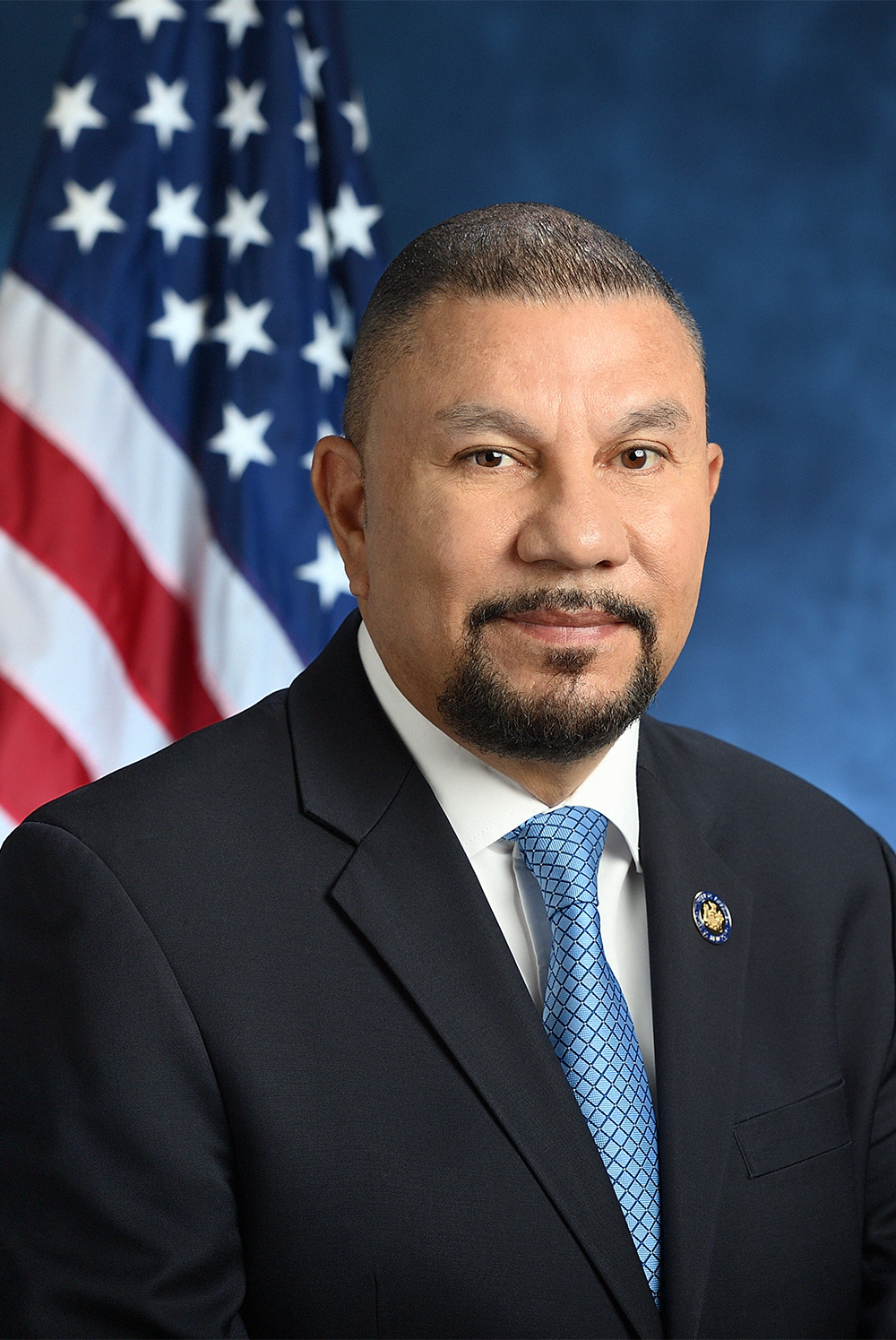
Asm. Phil Ramos
Sponsored bills
Maddy summaryThis bill raises the price threshold for food and drink sold in vending machines to remain tax-exempt. It increases the current limit from $1.50 (for coin-only machines) and $2.00 (for other payment methods) to $3.00 and $3.50, respectively. Vending machine operators selling items below these new prices will continue to avoid certain taxes. The change applies to all food, drink, and bottled water sold through vending machines, directly affecting businesses that operate them. The bill takes effect immediately upon enactment.
Requires fashion sellers to carry out environmental due diligence for the portions of their business related to wearing apparel, footwear or fashion bags, including wearing apparel, footwear or fashion bags produced as a private label; establishes a fashion remediation fund.
Maddy summaryThis bill raises the maximum age for provisional or permanent appointment as a police officer in certain government departments from 35 to 40 years old. It directly affects applicants for competitive civil service positions in the Department of Environmental Conservation, county, city, town, village, housing authority, or police district police forces. The key change modifies the age requirement for the written examination date, allowing applicants up to age 40 to qualify instead of the previous 35-year limit. This adjustment applies broadly across eligible departments, with specific exceptions for military service time or existing employees under limited circumstances.
Directs the commissioner of education to provide for the proportionate availability of adequate school supplies for use by left-handed students where adequate supplies are available for use by right-handed students; applies to any school supplies and equipment purchased by the department or schools on or after the effective date of rules and regulations promulgated by the commissioner of education.
Maddy summaryThis bill allows school districts to observe specific cultural and religious holidays as official school days, based on local student demographics. It adds Eid al-Fitr, Eid al-Adha, Diwali, Lunar New Year, Tihar, Bandi Chhor Divas, and Onam to the list of potential school holidays. School boards or trustees must determine if a district has a "sizable proportion" of students observing these days before implementing them as holidays. The policy applies only to districts meeting this threshold, not statewide. The bill takes effect on July 1st following enactment.
Requires certain documents and forms to be provided in the twelve most common non-English languages spoken by limited English proficient immigrants of five years or less according to the American community survey, as published by the United States census bureau.
Maddy summaryThis bill increases tax credits for developers redeveloping brownfield sites (abandoned industrial properties with potential contamination). It sets tiered credit limits: $35 million for standard sites, $45 million for manufacturing sites, and $70 million for "qualified project sites" meeting specific criteria. To qualify for the highest credit, projects must be in cities under 100,000 population, include affordable housing (25% of units), have transportation access, and exceed $250 million in total project value. These changes directly affect developers of qualifying brownfield sites who meet all criteria for enhanced tax incentives.
Enacts the good jobs guarantee program to provide workforce training and opportunities for employment for residents of New York state to secure high paying jobs through the acquisition of job skills.
Establishes an unemployment bridge program and an unemployment bridge program fund to provide wage replacement to workers that do not qualify for unemployment insurance or other worker wage assistance programs and who have lost a major source of income due to lost work (Part A); establishes the "Digital Ad Tax Act (DATA)" creating a tax on digital advertising services (Part B).