

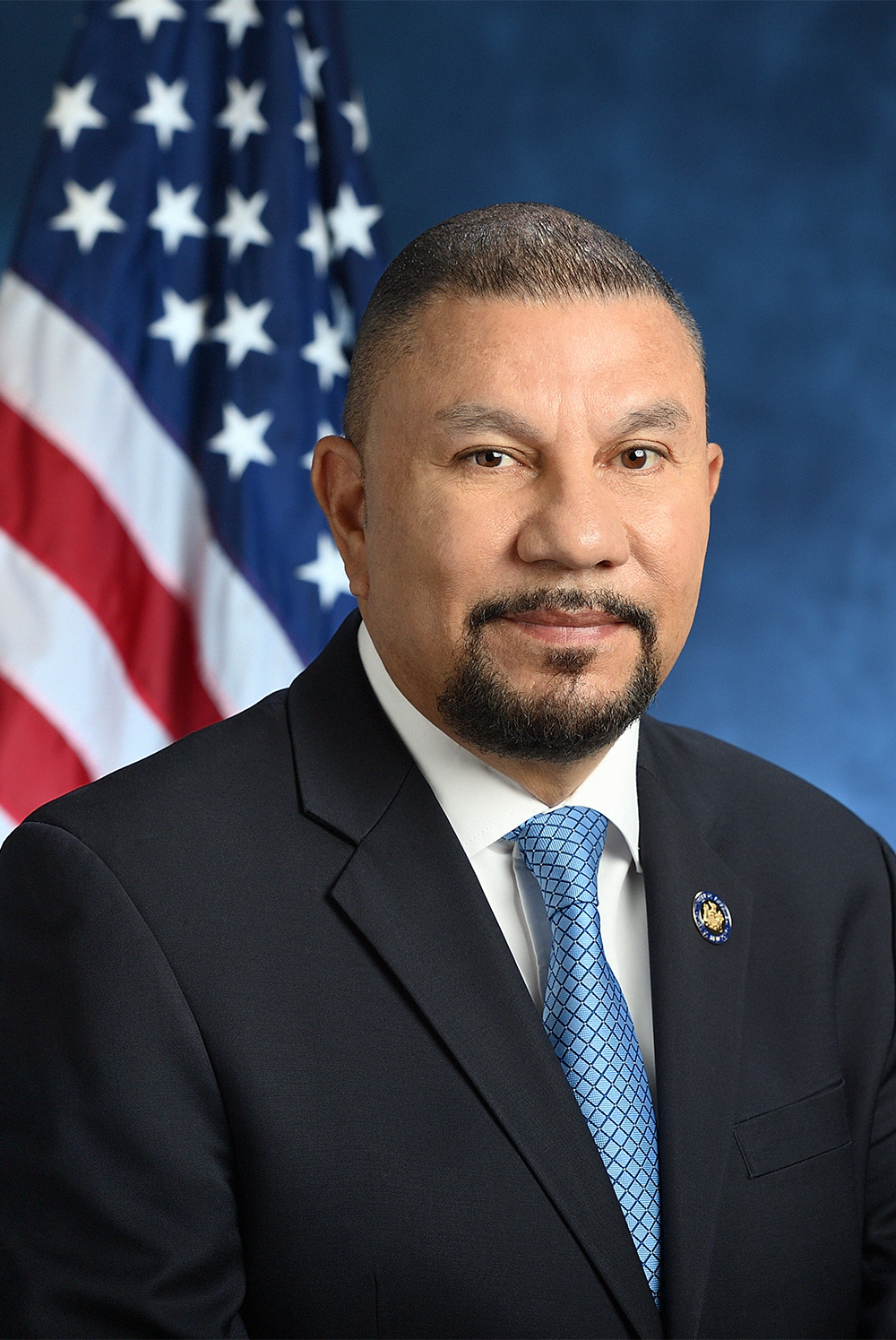
Photo of Phil Ramos
D New York Assembly · District 6 On the 2026 ballot

Asm. Phil Ramos

Compare
Total votes
9,713
all sessions
Attendance
95%
506 missed
Lower than 87% of chamber peers
With party
95%
of cast votes
Lower than 93% of chamber peers
Bipartisan score
2%
crosses aisle rarely
Higher than 92% of chamber peers
Sponsored
586
bills & resolutions
Near the chamber average
Committees
7
assignments
586 bills and resolutions

Sponsored bills

Total
586
Primary
120
Co-sponsor
466
This page
586
matching current filters
Co-sponsor A 2689
In committee · New York Assembly · Co-sponsor
Enacts the building up immigrant legal defense or BUILD act

Enacts the building up immigrant legal defense or BUILD act to provide competitive workforce development and capacity building grants to eligible entities that are seeking to expand access to representation for individuals facing deportation by increasing the workforce and strengthening the legal services infrastructure needed to provide such representation.

In committee Jan 7, 2026 1 co-sponsor
Primary A 1170
In committee · New York Assembly · Lead sponsor
Relates to providing a tax credit for the purchase of assistive technology devices

Maddy summaryThis bill creates a tax credit of up to $500 per year for individuals with disabilities who purchase assistive technology devices. It covers tools like specialized software, adaptive equipment, or modified devices that help improve daily functioning, and allows unused credit to carry over to future tax years. The credit applies to purchases made after January 1, 2025, and directly benefits taxpayers with disabilities seeking accessible technology.

In committee Jan 7, 2026 0 co-sponsors
Co-sponsor A 6000
In committee · New York Assembly · Co-sponsor
Provides for the advance payment of the earned income tax credit

Maddy summaryThis New York State bill allows for advance payments of the Earned Income Tax Credit (EITC) to qualifying low-income workers, replacing the current system where refunds are issued after annual tax filing. Eligible workers - including those aged 19 or older (down from 25) and without children - will receive four payments: three during the year (20% of the expected credit) and one adjusted payment after the tax year ends. The bill also increases the credit percentage for 2027 and later years (up to 40%), raises the income threshold for phaseout to $24,960 (from $11,610), and includes annual inflation adjustments. Payments will be delivered via direct deposit or electronic benefit transfer (EBT) card.

In committee Jan 7, 2026 1 co-sponsor
Co-sponsor A 353
In committee · New York Assembly · Co-sponsor
Relates to amending the universal full-day pre-kindergarten program subscription amount for regions other than New York city; repealer

Maddy summaryThis bill changes how New York State funds pre-kindergarten programs outside New York City. It repeals the previous requirement for competitive selection of programs and instead guarantees funding sufficient to cover all qualifying programs in non-NYC regions. The key change ensures that every eligible pre-K program in these areas receives full funding based on need, rather than competing for limited slots. The bill also maintains the $300 million annual allocation specifically for New York City programs.

In committee Jan 7, 2026 1 co-sponsor
Primary A 4732
In committee · New York Assembly · Lead sponsor
Requires that pharmacists get express written consent before substituting a drug product for a less expensive drug product

Requires that pharmacists get express written consent before substituting a drug product for a less expensive drug product, including biological products.

In committee Jan 7, 2026 0 co-sponsors
Primary A 5334
In committee Jan 7, 2026 0 co-sponsors
Co-sponsor A 951
In committee · New York Assembly · Co-sponsor
Creates a distinctive license plate for veterans honoring Borinqueneers

Creates a distinctive license plate for veterans honoring Borinqueneers; defines "veteran" as a person who is a resident of this state, who served in the armed forces of the United States, and was honorably discharged from the armed forces, or has a qualifying condition, as defined in section one of the veterans' services law, and has received a discharge other than bad conduct or dishonorable from such service, or is a discharged LGBT veteran, as defined in section one of the veterans' services law, and has received a discharge other than bad conduct or dishonorable from such service.

In committee Jan 7, 2026 1 co-sponsor
Co-sponsor A 6563
In committee · New York Assembly · Co-sponsor
Relates to notification of crime victims of the death of the accused

Requires the notification of a crime victim or witness of the death of the accused if such person dies during pending judicial proceedings or during any period of incarceration, parole or post-release supervision, or when an order of protection exists.

In committee Jan 7, 2026 1 co-sponsor
Co-sponsor A 1467
In committee · New York Assembly · Co-sponsor
Relates to paid family leave after a stillbirth

Maddy summaryThis bill (A 1467) adds "to recover after a stillbirth" as a qualifying reason for paid family leave under New York's workers' compensation law. It directly affects employees who experience a stillbirth, allowing them to take paid leave for recovery. The key provision amends existing law to include stillbirth recovery alongside other covered reasons like bonding with a newborn or caring for a family member with a serious health condition. The change applies to all policies or contracts issued, renewed, or modified after the effective date. This is a specific policy update to expand access to paid leave for a defined health-related event.

In committee Jan 7, 2026 1 co-sponsor
Primary A 1405
In committee · New York Assembly · Lead sponsor
Relates to establishing gang courts pilot program

Maddy summaryThis bill establishes a five-year pilot program for specialized "gang courts" in Orange, Nassau, and Suffolk counties, starting January 1, 2026, and ending January 1, 2031. The courts will handle criminal cases involving groups of three or more people actively engaged in criminal conduct, as defined by the bill. Funding must come from a mix of federal grants (from the U.S. Department of Justice) and state/local resources, with the chief administrator of the courts overseeing setup and procedures. Cases will be transferred to these specialized courts from regular county courts for gang-related offenses, operating under rules set by the chief administrator.

In committee Jan 7, 2026 0 co-sponsors
Showing 191 to 200 of 586 bills
Previous 1 … 19 20 21 … 59 Next