

Provides that supervision by a licensed physical therapist of a physical therapist assistant shall be continuous but shall not require the physical presence of the licensed physical therapist at the time and place where services are being performed; requires a licensed physical therapist to be available for consultation with the physical therapist assistant or the patient within a reasonable amount of time.
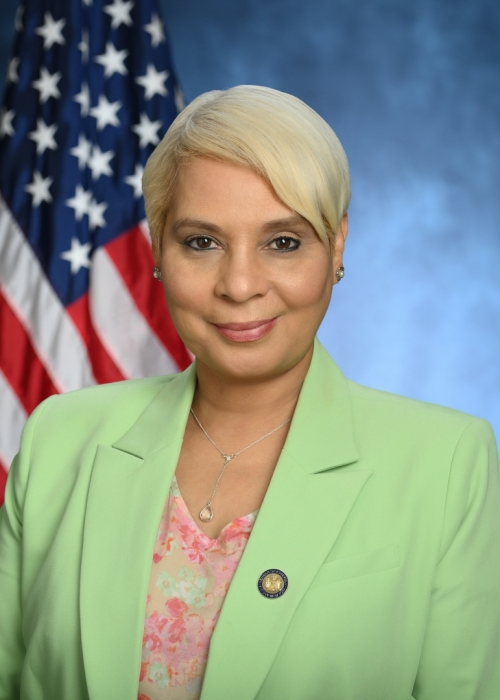
Asm. Maritza Davila
Sponsored bills
Requires public-facing websites operated by political committees to contain "paid for by" language; adds such public-facing websites to the list of political communications that qualify as independent expenditures.
Allows for no fault separation where the relationship between the spouses has broken down irretrievably for a period of at least six months; requires that issues of support and custody or visitation have been resolved.
Maddy summaryThis bill restricts certain harmful chemicals in menstrual products sold in New York State. It prohibits manufacturers from intentionally adding specific substances like lead, mercury, formaldehyde, phthalates, and PFAS (a class of chemicals including Teflon-like compounds) to products such as tampons, pads, and menstrual cups. Starting immediately upon the bill's effective date (12 months after enactment), these chemicals cannot be added as intentional ingredients, with future safety thresholds for remaining traces to be set by health and environmental agencies by 2029. The law applies to all distributors and sellers of menstrual products within New York.
Authorizes the commissioner of health to adopt policies to exclude certain non-recurring items from income that would artificially inflate the availability of funds to meet current needs relating to eligibility for the program for elderly pharmaceutical insurance coverage.
Enacts the "independent senior housing resident freedom of choice act" to authorize persons in independent housing, shelters and residences to receive services they could otherwise receive if they resided in a private residence.
Maddy summaryThis bill (A 901) creates an aging in place task force within the Office for the Aging to study how the state can help older adults remain in their homes and communities. The task force will examine specific areas like transportation improvements, zoning changes for home care, nutrition programs, fraud protections, home medical care, tax incentives, and private insurance options. Composed of 14 members including state agency leaders and legislative appointees, the task force must report its findings and recommendations to the governor and legislature by January 1, 2028. The bill does not create new programs but directs the state to study existing policies and potential changes to support aging in place.
Requires a report on individuals who are the primary caregiver for an older adult, including the number of individuals who are primary caregivers for an older adult, the average age of a primary caregiver, the cost to an individual to provide care to an older adult, and the economic value and savings to the state of such individual's services.
Enacts the "community financial services access and modernization act"; modernizes existing statute to reflect the full scope of financial services available at neighborhood "check cashing" establishments; provides for a comprehensive regulatory framework for the delivery of the expanded financial services currently being offered.
Maddy summaryThis bill requires New York state-owned parking facilities with at least 50 spaces to install electric vehicle charging stations in a percentage of spots ranging from 10% to 20%, depending on the facility's total size. The Office of General Services is tasked with installing and maintaining these stations, which must meet specific electrical capacity standards, and is authorized to hire licensed electricians if upgrades to the power system are needed. The law applies to public, employee, and pay-per-use parking areas and would have taken effect on April 1 of the following year. However, the bill was vetoed by the Governor in December 2024 and subsequently tabled, meaning it did not become law.