Directs the state commission of correction to promulgate rules and regulations for strip searches in correctional facilities which at a minimum include a requirement that no fewer than two staff members shall be present for any strip search.
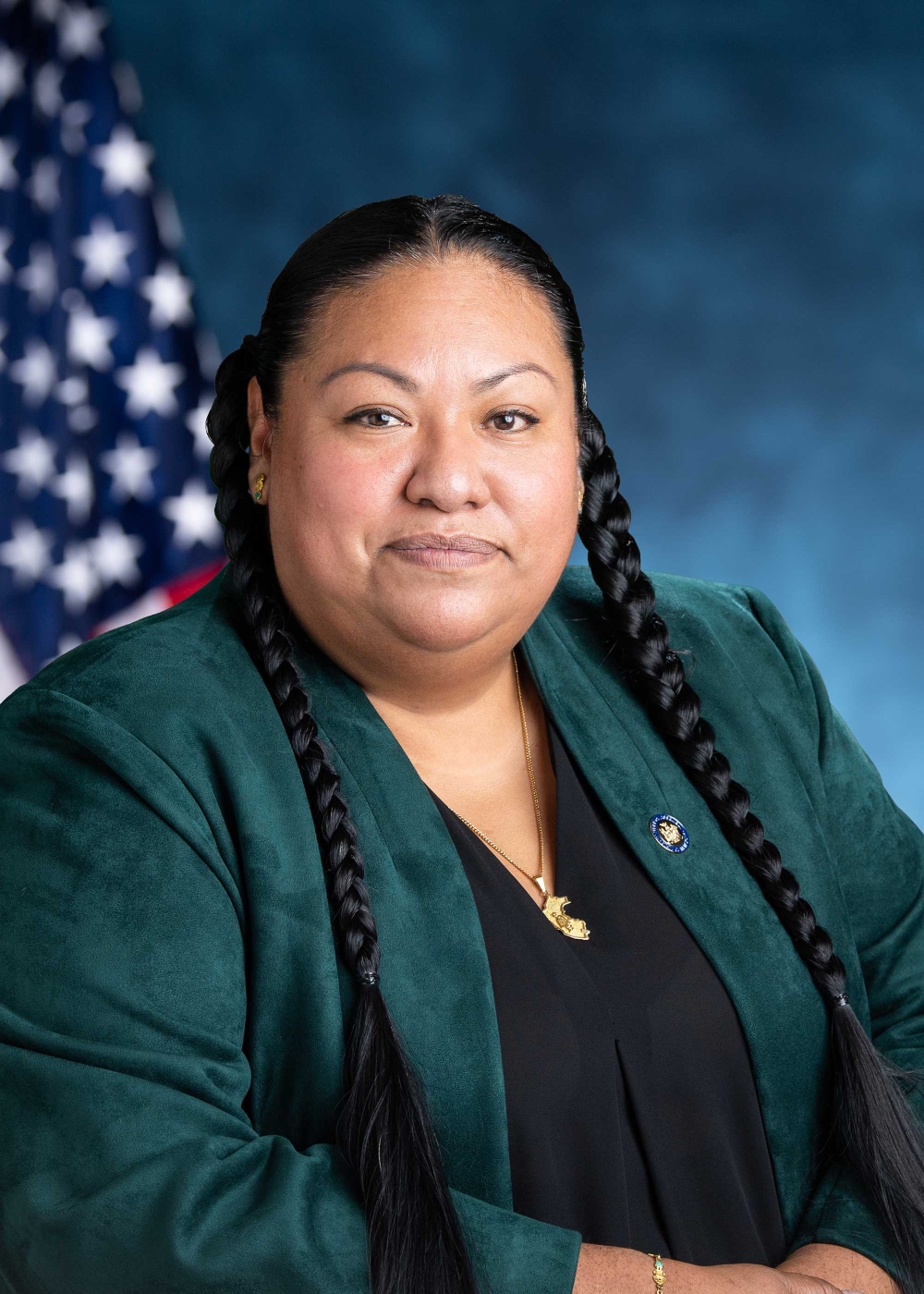
Asm. Marcela Mitaynes
Sponsored bills
Maddy summaryThis bill designates November 26th of every year as Sojourner Truth Day in New York State. It achieves this by adding the new commemoration to the official list of state days of recognition found in the executive law. The change allows schools and other organizations to observe the day in honor of the abolitionist and women's rights activist.
Provides for a working families tax credit; directs quarterly prepayment of the credit; provides for a sliding reduction in the credit for incomes which exceed a certain threshold.
Maddy summaryThis bill requires motor vehicle dealerships to receive full and fair payment from their franchisors for all warranty-related work, including repairs, diagnostics, and parts. It mandates that payments for approved claims be made within thirty days and sets a specific method for calculating compensation based on the rates dealers charge their own customers for similar non-warranty services. The law also establishes a process for dealers to declare their reimbursement rates and limits exclusions to items like wholesale parts, tires, and routine maintenance. By defining "reasonable compensation" and outlining dispute resolution steps, the bill aims to ensure dealers are not underpaid for services performed under manufacturer warranties.
Maddy summaryThis bill strengthens penalties for employers who intentionally lie to avoid paying unemployment benefits. It requires these employers to refund all overpaid money and pay a civil fine equal to the greater of $100 or 15% of the benefits they avoided paying. The law also clarifies that these financial penalties are separate from any criminal charges and cannot be deducted from future unemployment payments. Additionally, the bill outlines specific procedures for the state to recover these funds by filing a civil judgment against the employer, which can impact their credit and ability to access assets.
Eliminates court surcharges and fees and probation and parole surcharges and fees; eliminates the requirement that a parolee or releasee receiving a merit termination of sentence be financially able to comply with an order of restitution; eliminates the requirement that a person receiving a discharge of sentence be financially able to comply with an order of restitution and the payment of certain surcharges or fees (Part A); prohibits mandatory minimum fines for penal law and vehicle and traffic offenses (Part B); mandates that courts engage in an individualized assessment of a person's financial ability to pay a fine prior to imposing a fine (Part C); eliminates the availability of incarceration as a remedy for a failure to pay a fine, surcharge, or fee, lifts and vacates existing warrants issued solely on a person's failure to timely pay a fine, surcharge or fee and ends existing sentences of incarceration based on such failure (Part D); vacates existing unsatisfied civil judgments based on a person's failure to timely pay a surcharge, or fee (Part E); prohibits the collection of a fine, restitution or reparation from the funds of an incarcerated person; prohibits the payment of court fines, mandatory surcharges, certain fees, restitution, reparation or forfeitures from the earnings of prisoners (Part F); vacates existing unpaid surcharges, DNA databank fees, crime victim assistance fees, sexual offender registration fees, supplemental sex offender victim fees, or probation or parole supervision fees; repeals certain provisions of law relating to restrictions on remitting such fees (Part G).

Prohibits the operation of NYC transit authority subways or trains without at least one conductor on board; requires a conductor on any subway or train operated by such authority whenever the subway or train has more than two cars attached to the engine.
Maddy summaryThis bill creates the New York State Fashion Workers Act to regulate model management companies by requiring them to register with the state and follow specific operational rules. Companies managing models must provide detailed information about their ownership and pay fees or post a bond if they have more than five employees. The law also mandates that these companies provide clear, plain-language summaries of job terms to models and prohibits certain unfair practices like restrictive contracts. Additionally, it establishes specific complaint procedures and penalties for companies that fail to comply with these new registration and conduct requirements.
Removes the lifetime ban on jury duty for convicted felons; provides that if convicted of a felony, such person has completed all sentencing requirements to such conviction, including any required term of imprisonment, probation, or community supervision.
Maddy summaryThis bill increases the daily financial allowance for trial and grand jurors in New York's unified court system from $40 to $72. The change directly affects individuals summoned to serve on juries, ensuring they receive higher compensation for their time and reducing the financial burden on those with lower wages. Under the new provisions, jurors whose daily pay is less than $72 will receive a top-up payment to reach that amount, while employers are restricted in how much they can deduct from a juror's wages during the first three days of service. The legislation also clarifies that employers cannot fire or penalize employees for missing work to serve on a jury.